
Candidates off to the races
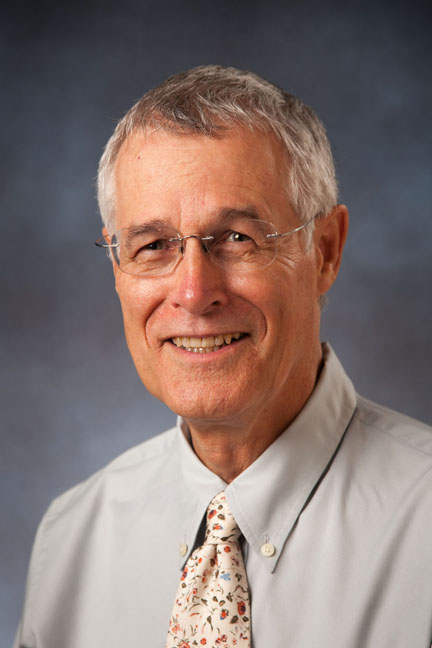
Richard Fulton
Did you hear the starting bell?
There must have been one because the first of the year has seen a plethora of candidates announcing, or making moves equivalent to announcing, their ambitions to run the race for public office.
Our interests lay with the presidency and the governor’s race, the two with the most activity at this point. Campaigning you know, whether with preliminary activity or out-and-out pleading, never stops in America.
If you want to run for president these days, you probably need to be either a senator or a governor (or just maybe a relative of a former president). These offices have produced the most candidates in recent election cycles.
This may be why Rep. Paul Ryan has recently announced that he will not run in 2016. Although there have been 19 presidents who have served in the House of Representatives and 18 defeated party candidates, not since President Garfield has a sitting member of the House won the presidency.
Once in a while, someone not holding public office at the time finds themselves running for president.
Thus the specter of Hilary Clinton over the Democratic nomination process. Few want to challenger her, though surely some governor or senator will emerge. She was, of course, a senator and the wife of a president.
It is the Republicans, then, that have a herd of senators and governors — and one presidential relative — peeking into the presidential darkroom, hoping for positive developments.
Rand Paul of Kentucky says he will announce his intentions in the spring. Yeah, right. All that travel and money gathering is just for exercise.
His father has often been a popular Libertarian candidate, though without much real success.
Paul hopes to make hay out of his newly won role as chairman of the Ways and Means Committee, one of the powerhouse committees in the House. It deals with finances and taxes. His goal is to cut corporate taxes.
Sen. Ted Cruz of Texas hopes to rally the conservative wing of his party behind his vision of America’s future. So, too, Sen. Marco Rubio of Florida, the son of Cuban immigrants, who wants to make foreign policy and outreach to Hispanic Americans as his basis of appeal.
Both these are freshman senators, so they need to make a splash in the newly minted Republican Senate.
Many think that governors have a better base for running for the presidency, given the national Congress is so unpopular. Scott Walker of Wisconsin has made a name for himself by attacking unionization and cutting taxes (like in Kansas, this has led to budget deficits though). He is a tea party darling.
Former governor and former presidential relative Jeb Bush is popular with the more moderate Republicans.
Can he win the nomination though? He’s thinking it over.
That splashy Dallas Cowboys fan, Gov. Chris Christie of New Jersey, used his state of the state address this week to set out a program for his run for national office. He has fought several gaffs in the last year but is popular for his in-your-face style.
The Democrats have governors in Ohio, Indiana and a former one from Virginia sticking their noses rather timidly into the circus, but no aggressive moves yet. And there are always dark horses — remember Barack Obama?
In Missouri, the news is that the assumed Democrat candidate, Sen. Claire McCaskill says she will not run for governor.
That leaves the announced candidate, Attorney General Chris Koster, as the Democrat front-runner, though State Auditor Tom Schweich is sure to challenge him.
Rex Sinquefield is bankrolling a former Missouri House Speaker, Cathrine Hanaway. He’s the super-rich guy who wants to control the agenda of Missouri politics. He gave Hanaway $850,000 to bankroll her run (with more coming).
Surely the Republicans will find a more moderate candidate or suffer the pain of 2012 when Todd Akin’s campaign imploded. A businessman, John Brunner is rumored to be interested.
Stay tuned, race fans, we’re not even at the quarter pole yet.



