Commentary: US Rep. Sam Graves
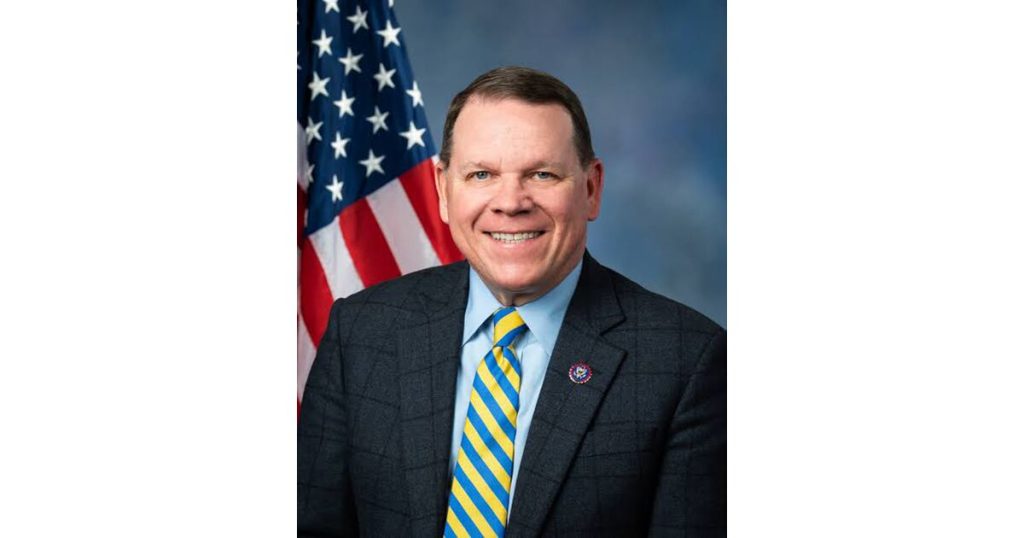
U.S. Rep. Sam Graves R-Missouri
Dear Friend,
North Missouri is bordered on the west and south by the Missouri River—on the east, by the Mississippi. We know the power of the river. It’s never far from the minds of those who live and work along it. Through countless floods, we’ve seen what can happen when poor management and bureaucracy meet heavy rain and melting snow.
At the same time, we know the benefits. The same crops we seek to protect from rising floodwaters depend on barges to get to market. The inputs we need arrive the same way. Markets for countless things produced right here would be far more limited without the river.
That’s why it’s critical that our policies reflect the power and importance of our inland waterways. The Water Resources Development Act, or WRDA, ensures that happens by giving the Corps of Engineers their marching orders as they manage our rivers. As Chairman of the Transportation and Infrastructure Committee, it’s been my priority to pass an updated Water Resources Development Act every two years, as we’ve done since 2014. I’m happy to say we are on track to do it again this year.
I introduced this year’s WRDA bill just a few weeks ago. WRDA 2026keeps flood control and navigation the priority for river management. It makes commonsense updates to help local communities get infrastructure projects moving and cuts red tape so folks can work with the Corps more easily.
For North Missouri specifically, WRDA 2026 cuts red tape, making it easier for local communities to work with the Corps of Engineers to get flood control projects done. The bill also protects the Missouri River by making sure our water can’t be diverted out of the basin to California. It asks the Corps to take on sediment buildup in the Missouri River Reservoir System—an important step for preserving the storage capacity we need to hold water back for flood protection and navigation.
WRDA 2026 also puts local levee districts and communities in the driver’s seat on flood control projects along the Lower Missouri River. It gives members of the Missouri River Recovery Implementation Committee the ability to elect their own chair and helps Mississippi River levee districts avoid costly new requirements until workable solutions are developed.
This bipartisan legislation passed the Transportation Committee this week unanimously. You don’t see that too often these days, and I’m proud that we keep getting that done at the Transportation Committee. I remain focused on getting the work done, and I look forward to this important legislation heading to the House floor.
Sincerely,
Sam Graves