Commentary: Straight Talk with Sam
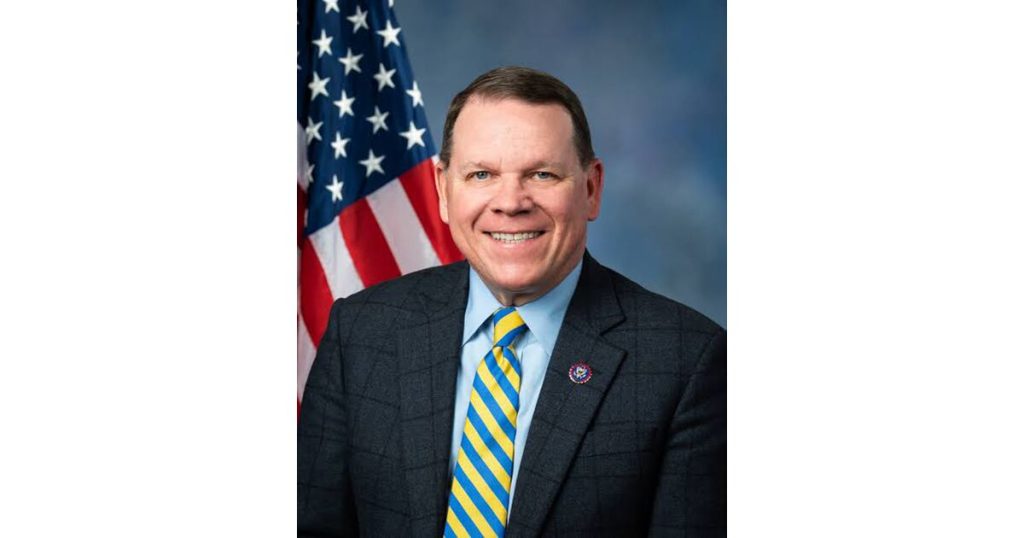
U.S. Rep. Sam Graves R-Missouri
Dear Friend,
Rural hospitals are a lifeline for our communities. In many cases, not traveling an extra distance after an accident can make the difference between life and death. Yet, their survival, and rural medicine in general, has been in jeopardy.
I’ve been fighting for many years to ensure they survive, but that shouldn’t be the only goal. We should be working toward a better path forward that helps more rural Missourians access patient-centered health care.
When we passed the working families tax cut earlier this year, it didn’t just help put more money in folks’ pockets; it also created a fund to transform rural health care. The Rural Healthcare Transformation program allocates $50 billion over the next five years to help rural hospitals, clinics and health care providers transform the delivery of health care to our rural communities.
These reforms are designed to be long-term, not a short-term Band-Aid. We can throw money at the problem all day long just to keep the doors open, but if we aren’t addressing the root causes of the problems we face in rural health care, we’ll never stem the tide of declining rural health care.
This new program is designed to support rural health innovations that promote preventative health. It enables our rural providers to partner, sharing technology, care and emergency services. Finding and supporting a quality workforce is difficult anywhere, but bringing trained doctors and nurses into a small town in the middle of a corn field isn’t always the easiest sell. We’ve made great progress in partnership with our rural medical schools, but there’s an opportunity to do even more now with this funding. Finally, utilizing and accessing technology can help doctors deliver care more efficiently for patients. Our rural facilities have been working hard to do just that, but it’s not quick, cheap or easy.
I joined several members of Missouri’s congressional delegation this week in sending a letter to Gov. Mike Kehoe, the Department of Health and Senior Services, and the Department of Social Services, encouraging them to submit the strongest possible application to the federal government so they can take full advantage of the RHT program. Funding from this program must reach our truly rural hospitals, which actually need the help, instead of consultants and others who shouldn’t qualify for the money.
We have some of the best folks working in rural health care in north Missouri. They are committed to ensuring our communities have the best care possible. Yet, if we don’t enable them to adjust for the 21st century, utilizing innovation, efficiency and technology to improve, they can never hope to succeed. With the new Rural Healthcare Transformation program, I’m confident that we can improve care for folks across rural America.
Sincerely,
Sam Graves