Winter weather calls for extra precautions
PIXABAY.COM
Meteorologists who work with MoDOT are predicting harsh weather at the turn of the year, said Becky Almaross, MoDOT chief safety and operations officer.
MARYVILLE, Mo. — While it is difficult to imagine the upcoming perils of winter, given the unusual weather pattern, threats such as hypothermia, black ice, and unsafe road conditions are inevitable in the coming months.
Meteorologists who work with MoDOT are predicting harsh weather at the turn of the year, said Becky Almaross, MoDOT chief safety and operations officer.
Winter preparedness becomes all the more important with the changing of the season, and individuals should familiarize themselves with safety measures and possible hazards.
Older adults are especially susceptible to the dangers brought on by the winter season. According to the CDC, the highest number of deaths due to cold exposure in 2019 was in adults ages 85 and older.
Hypothermia symptoms, as described by WebMD, include slow breathing and pulse, drowsiness and confusion. The National Institute on Aging states individuals with more body fat are at a decreased risk of hypothermia. Because of this, Provision Living — a conglomerate of senior living communities, including Oak Pointe in Maryville — recommends individuals eat and drink regularly.
Other methods of staying warm, such as using space heaters and fireplaces, can increase the risk of house fires. Provision Living says this risk can be avoided by keeping space heaters three feet away from other objects, not using an extension cord or power strip with the heater, not leaving space heaters on while sleeping or away from home, visiting saferproducts.gov to ensure heaters have not been recalled, checking smoke alarms and having chimneys cleaned and inspected each year before using them. For a list of fire alarms for those who are deaf or hard of hearing, visit https://bit.ly/AlternativeFireAlarms.
According to Everyday Health, the extended use of dry heat indoors can also lead to dehydration, as can wearing warm clothing, which increases sweating, and not drinking as much water in the winter as in the summer. To combat this, Everyday Health recommends carrying around a water bottle, pairing every non-water drink with an equal amount of water and eating water-rich foods, including celery, tomatoes and watermelon. In addition to dehydration, staying indoors for significant amounts of time can have other effects.
According to the American Psychiatric Association, individuals become susceptible to seasonal depression during the winter months. Colder temperatures cause individuals to spend more time indoors, which can lead to feelings of isolation. The association recommends staying in contact with loved ones either through personal contact or video chatting to prevent these feelings.
It is also important to take precautions when going outside. Salting sidewalks and driveways helps reduce the risk of falling. Provision Living recommends those who live in housing associations or apartment complexes call to check that salt is dispersed on the sidewalks and parking lots. Wearing shoes with good traction also prevents the risk of falling, as does adding handrails on staircases and setting up outside lights to make black ice visible.
Before traveling, it is important to check road conditions. To see current views of road conditions, visit MoDOT’s Traveler Information Map at traveler.modot.org/map, download the MoDOT Traveler Information app for iPhone and Android or call MoDOT’s toll-free Customer Service Center at 888-ASK-MODOT, which is available 24 hours a day, 365 days a year.
Preparing cars for winter travel is also important. MoDOT recommends equipping cars with a flashlight with extra batteries; a first-aid kit; necessary medications; blankets and/or sleeping bags; extra mittens or gloves; socks; a warm cap and rain gear; a small sack of sand to use for traction under wheels; a small shovel; booster cables; small tools, including pliers, a wrench and a screwdriver; a brightly colored cloth to use as a flag; nonperishable foods and bottled water.
“Make sure that you have a box of supplies: a phone charger, a granola bar,” Almaross said.
A thorough pre-trip vehicle inspection of tires, brakes, windshield wipers and windshield wiper fluid is also recommended. As winter weather approaches, it is important to check that a car has a good battery, fresh antifreeze, a properly operating exhaust system and oil that will perform well in cold temperatures.
“It is always a good idea to make sure your car is prepared,” Almaross said.
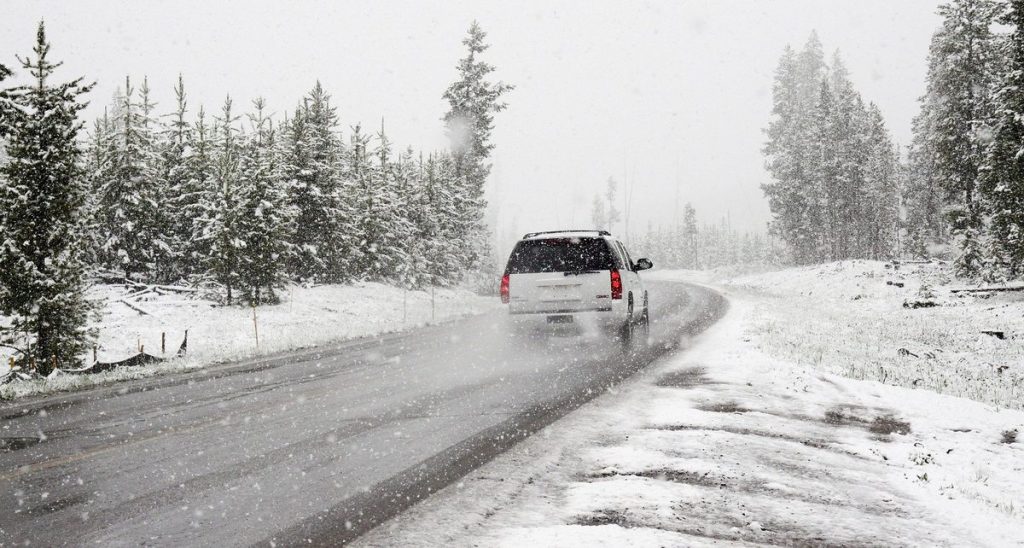
There are also precautions to take while driving in inclement weather. According to MoDOT, slowing down and adjusting a car’s speed to the conditions; keeping mirrors, windows and lights clean; not passing vehicles on or near bridges; allowing adequate room for snowplows and not passing them; maintaining at least half a tank of fuel and keeping lights on while driving are all ways to prevent accidents during the winter season. According to Almaross, the safest spot on the road is behind a snowplow because when vehicles try to pass them, they often hit attachments on the sides of the machine. Methods to avoid traveling in dangerous conditions include pulling off the road and parking at the first safe space and postponing travel until roads have been cleared and treated.
“We’ll be counting on the public to stay home to give our plows some room,” Almaross said.
In the worst winters, MoDOT has only had to use around 160,000 tons of salt. With a stockpile of 240,000 tons of salt, Almaross said the department is prepared to treat roads when winter weather arrives.
“We’re very comfortable with the amount of salt we have on hand,” she said.
Despite having an abundance of salt, Almaross said it will take longer than usual to clear roads because MoDOT is facing a shortage of snowplow operators. However, those who operate the machines will work diligently to clear the roads.
“We will be out there working until we get those major roads passable,” Almaross said.
If a car becomes stuck, there are ways to stay safe. MoDOT recommends taking the following steps in the event of entrapment.
- First, do not leave the vehicle because it is easy to become disoriented and lost in blowing and drifting snow.
- Tie a brightly colored cloth on the car’s antenna to serve as a sign of distress. To maintain proper circulation, occasionally move arms and legs and clap hands.
- If multiple people are trapped in a vehicle, they should huddle together for warmth and take turns sleeping.
- Running the engine for about 10 minutes each hour can also help the car’s inhabitants stay warm.