Column: The other side of faith — spiritual doubt
FORUM FILE PHOTO
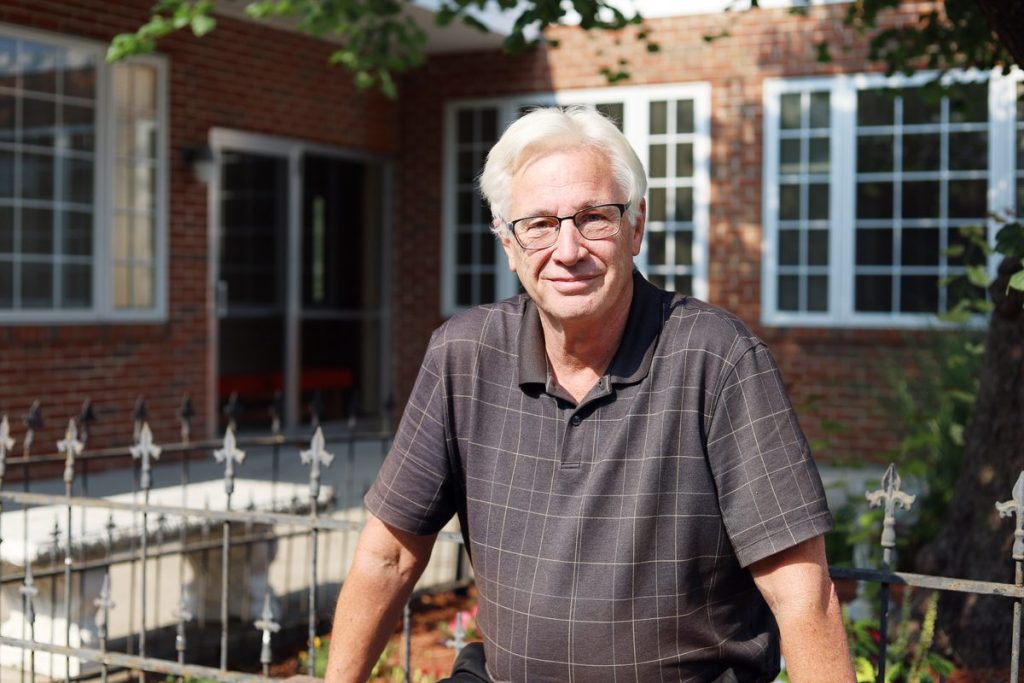
Pastor Joel Whiteside First Presbyterian Church
If you have been greatly hurt by loss, tragedy, suffering, or depression, or have known someone who has, then you may be familiar with the experience of spiritual questioning and doubt.
Sometimes our most difficult life experiences can make a difference in how we read the Bible and what we see as we read the Bible. When we are hurting, we may perceive that there are two stories of faith which emerge from scripture.
The first story is about the progress and advance of God’s blessings in and through human history. But the second story is the shadow story of that advance. It is the presence of human anguish and spiritual doubt in the encounter with the difficult truths and hard realities in life. The later story is the account of the presence of spiritual and religious doubt, expressed so often in the wide sweep of the Bible’s message.
There is Moses in anguish and doubt over the call that came to him at the burning bush, Abraham’s anguish in the command of the sacrifice of his son, there is Jonah, Job, Jeremiah and oftentimes the Psalmist as in this passage:
Ps. 22:1-2, “My God, my God, why have you forsaken me? Why are you so far from saving me, from the words of my groaning? O my God, I cry by day, but you do not answer, and by night, but I find no rest.”
And of course there is Jesus, in the Garden of Gethsemane, questioning, at least for a moment, the purpose of the cross, or the moment upon the cross when Jesus quotes Psalm 22: “My God, why have you forsaken me?”
William James is the author of the important and influential book on human nature and faith titled, “The Varieties of Religious Experience.” James struggled for many years with depression and in those years, he struggled also with spiritual doubt.
James, perhaps because of this struggle, identifies two sides of faith experience and expression. One he names the “Religion of Healthy Mindedness.” He declares those experiencing the healthy-minded faith are optimistic but at the expense of dismissing or ignoring the tough stuff of life.
The other side of faith, the shadow side, James names as the “sick soul.” This side of faith involves those who deal with the very tough questions and realities of life. It is apparent in reading this important book that its author throws his lot in with those who have experienced spiritual doubt.
It is often true that those whose faith has been inspiring to others often themselves pass through a dark night of spiritual doubt. I was shocked at the account of Mother Teresa’s spiritual doubt documented in the book, “Mother Teresa, Come Be My Light.” This book is comprised of letters this saint wrote to her spiritual mentors. In many of these letters, she outlined to them the depth of the spiritual doubt she was experiencing. In her view, the light God provided to others had been denied to her.
It is said that the brightest light will produce the darkest shadows. Often those with the deepest spiritual sensitivities seem at times to experience more intensely the struggle of doubt. Doubt often is a sign not of the weakness of our faith but its strength and seriousness.
Spiritual doubt can be a positive thing. It can serve as a catalyst for growth, introspection, and a deeper understanding of faith.
Spiritual doubt is often a painful experience. It is helpful to remember that authentic faith does not exclude those stories of doubt.
To those who have known this “other side of faith:” You are not alone.