Health liaison hopes to help people kick the habit
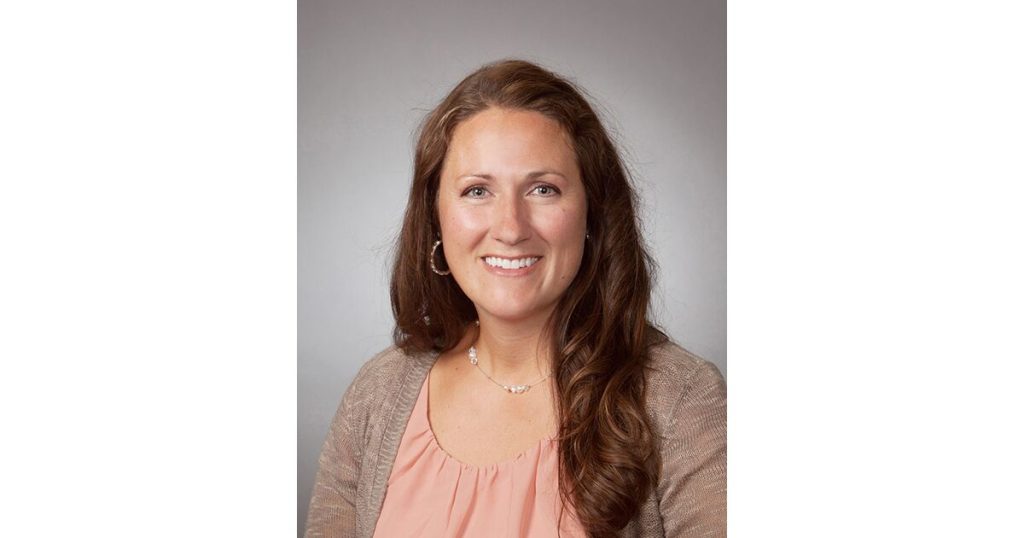
Bridget Kenny RN, BSN Community Health Liaison Mosaic Medical Center – Maryville
MARYVILLE, Mo. — About three times a year, Bridget Kenny, RN, BSN, and Mosaic Medical Center – Maryville’s community health nurse liaison, holds a smoking cessation program aimed at helping community members kick the habit and in turn better their health.
According to 2019 data from the Robert Wood Johnson Foundation County Health Rankings, about 22 percent of Nodaway County adults smoke. That’s compared to about 20 percent of adults throughout the state and 16 percent throughout the country.
This week, Kenny kicked off the free program on Tuesday with about a dozen people signed up. This session, the meetings are being held on Tuesdays and Thursdays.
“I’m kind of excited about it,” she said.
Kenny said it is important to offer multiple times per day because it offers more opportunities for people to attend. Each Tuesday and Thursday the half-hour long meetings will be available at 7:15 a.m., 1:30 p.m., 3:15 p.m. and 5 p.m.
“For those people who work or have children, the thing is we really want to be supportive,” she said. “… you know the more supportive we can be, the more successful (they could be).”
Since the class started on Tuesday, Kenny said anyone else interested in joining the free program can still attend one of Thursday’s time periods in order to get caught up.
“They could just show up if they wanted to,” she said. “I will provide direction for all attendants for the first two days of class.”
During the classes, Kenny explained they will discuss the habit and the chemical dependency involved as well as the mental and emotional dependency that is intrinsically tied to the action of smoking or vaping.
“There is an element of accountability,” she said. “Just because you come to the class doesn’t mean that you’re automatically going to quit.”
She further explained that if someone in the class smokes Marlboro cigarettes, that they might suggest changing brands to something with less nicotine. Then also start helping them to reduce the number of cigarettes they’re smoking each day.
“Just little by little until the end of eight weeks,” Kenny said.
Former MMC-M community health nurse liaison Jackie Ross created this program several years ago based on another one she was aware of, Kenny said. She did note that it was Teri Harr who initially began offering smoking cessation assistance through a similar program over a decade ago in this region.
Kenny said she will keep names of interested people should they not be able to make this week’s meeting and if there are enough people interested, she will create a class.
Part of the classroom environment revolves around the fact that there is a group of likeminded individuals prepared for the change and willing to work together to increase the health in their lives while booting the habit.
“You get to kind of know the people that are in your class,” Kenny said. “… There will be an element of camaraderie in that class, so it’s sort of like a support group, too.”
Kenny said that a lot of people think vaping is a healthier alternative.
“It is not,” she said. “Inhaling heavy metals into your lungs, or anything that is foreign, is bad.”
She said another possible even more problematic issue with vaping is that the sheer convenience of it can allow a person to quickly and easily overuse the device, consuming much more nicotine than they otherwise would have with cigarettes.
Kenny said someone who might have smoked 10 cigarettes a day may take in as many as three packs’ worth of nicotine in one day because of that convenience — and youths are picking up on that.
“Unfortunately, 1 in 4 of our high school students are vaping and a lot of times it’s because they see their parents do it,” she said.
Kenny noted that the program focuses on both smoking and vaping.
“I know it’s just difficult,” she said. “It’s not an easy habit to break by any means. … Nicotine is just as addictive as cocaine and heroin. … Most of the time people want to (kick the habit), but it’s just such a hard thing to do.”
Kenny noted that nicotine also plays a role in amplifying a person’s risks for rheumatoid arthritis, cataracts and macular degeneration.
“You have to want to do it,” she said. “Once you make that commitment to wanting to do it, then that is when you probably are going to be most successful.”
For more information call Kenny at 660-562-7945 or email her at [email protected].