Book details influence of Benedictine Sisters’ Clyde Hill Farm

Ronald F. Eustice Author
CLYDE, Mo. — Cattle and farming expert Ronald F. Eustice recently released a new book, “Clyde Hill Farm and the Benedictine Sisters of Perpetual Adoration,” which tells the tale of the monastery and the sisters’ approach to creating a historic Holstein dairy cattle operation.
“Mr. Eustice’s book is a treasury of different historical sources for the Clyde Hill Farm and is of particular interest to those whose ancestors helped build the farm and work on it,” General Prioress Sister Dawn Annette Mills said in a news release. “The book also shares about the history of dairy farming, the breeding of fine cattle and the role of the farm in our monastic history and how the monastery affected the dairy business. Up until this time, one had to consult several sources for this information. Now it’s all in one place.”
According to a news release, Eustice grew up on a farm in southern Minnesota and raised cattle from a very early age. He was active in 4-H and enjoyed classes in vocational agriculture, which led to a degree in agricultural journalism from the University of Minnesota and a career working with companies like Carnation and Land O’ Lakes and organizations such as the American Breeders Service and the Minnesota Beef Council.
After his retirement in 2012, Eustice discovered he had time to write, so he combined his knowledge of the cattle and farming industries with the connections he made during his professional life, and began writing books about people and places with interesting and not-oft-told stories about farming and agriculture.
After researching the herd at the Missouri Holstein Association, Eustice placed a call to the sisters’ monastery, and that led to an introduction with Sister Sean Douglas.
“Sister Sean sent me additional historical photos of the farm and of the Sisters,” Eustice said. “She found information about the Sisters who were in charge of the cattle, who were instrumental in making their Holstein herd one of the top in North America.”
He includes background of the early years of the congregation, how the sisters built their monastery and of the beginnings of the farm in the early 1900s.
“My goal was to give readers an idea of what it was like to live and to work in a convent at the time,” Eustice said. “No one anticipated their herd would be anything more than something to provide food for the Sisters, hired help and needy people of the area. The Sisters purchased purebreds in 1918, and soon people realized it wasn’t an ordinary herd of cattle.”
In the book he explores the impact the herd had on subsequent generations of cattle. The Clyde Hill Farm herd was sold privately in 1963, but its influence continued from herds that had acquired Clyde Hill cattle through the years.
“The Sisters were such interesting women,” Eustice said, “and the thought of them out there in full habits during the era of World War II, slogging in the mud, milking and feeding the cattle and taking care of the herd because of the labor shortage just fascinates me and makes for a great story.”
“Clyde Hill Farm and the Benedictine Sisters of Perpetual Adoration” is available for purchase at Amazon.com. For more information about Eustice and his books, visit ronaldeusticepublications.com.
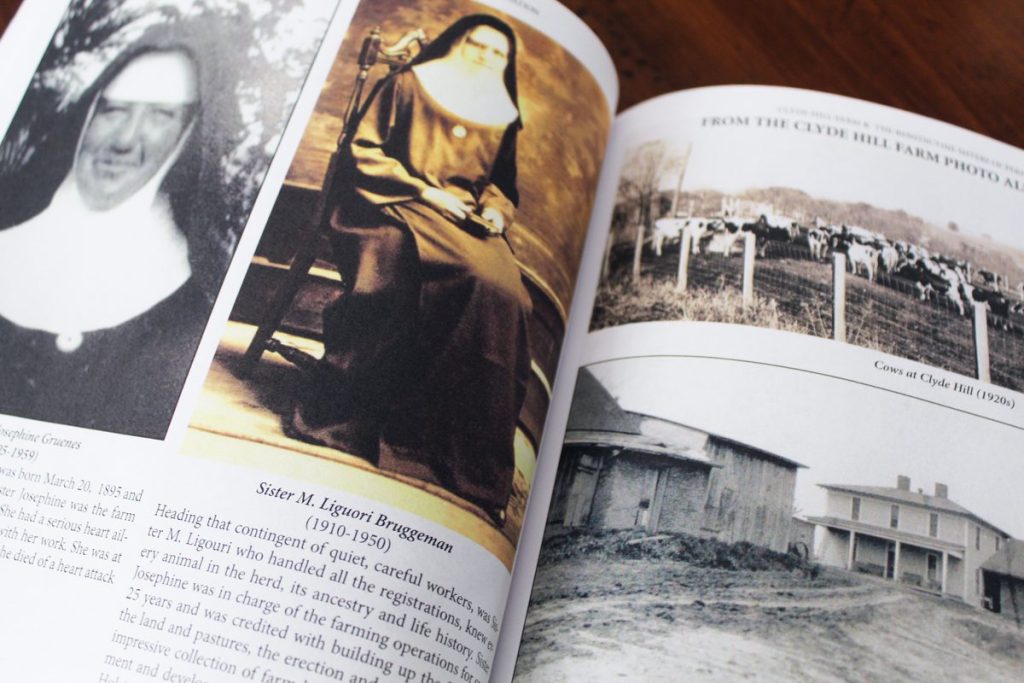
SUBMITTED PHOTO
Author Ronald F. Eustice has written a new book, “Clyde Hill Farm and the Benedictine Sisters of Perpetual Adoration,” which chronicles the history of the sisters’ historical influence on subsequent generations of quality dairy cattle herds and life in a convent in the 20th century.
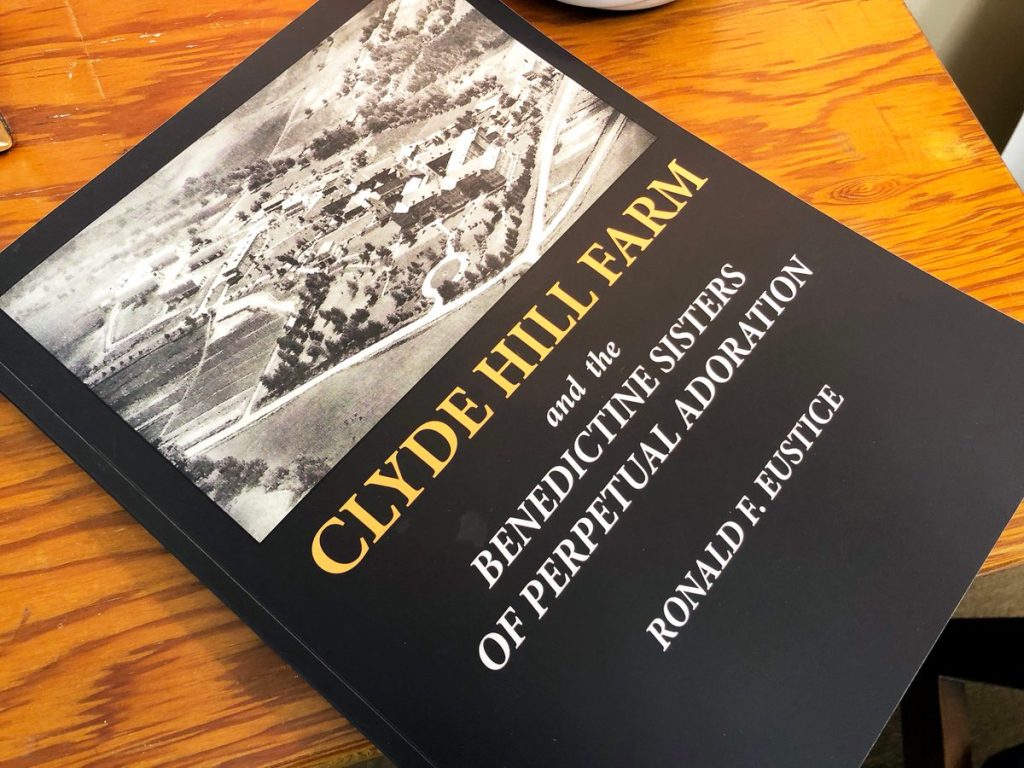
SUBMITTED PHOTO
Author Ronald F. Eustice has written a new book, “Clyde Hill Farm and the Benedictine Sisters of Perpetual Adoration.”