
Capitol Report: House sends fiscally responsible spending plan to the Senate
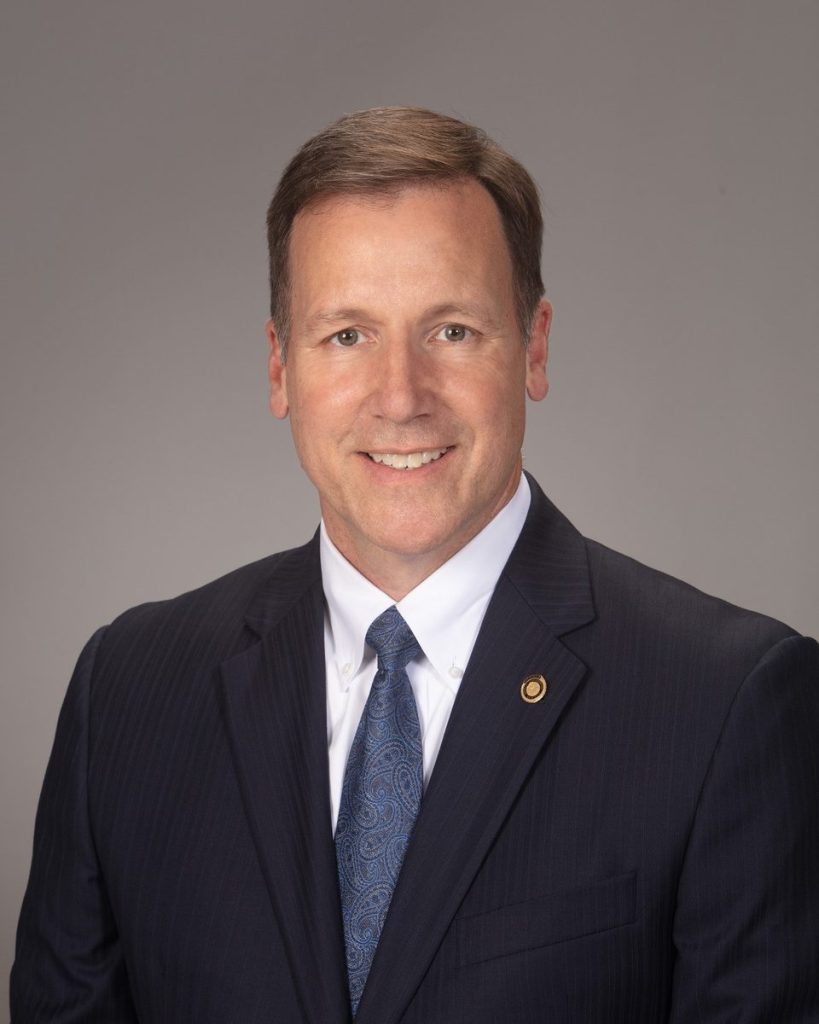
State Rep. Allen Andrews R-Grant City
The members of the Missouri House gave their stamp of approval to the appropriations bills that make up the Fiscal Year 2022 State Operating Budget. Members spent more than 7 hours on the House floor Tuesday as they discussed and amended the 13 bills that contain more than $32 billion in funding.
With the spending plan for the upcoming fiscal year, the House once again prioritized funding for K-12 education. The budget makes a record investment in K-12 education as it once again fully funds the School Foundation Formula. In total, elementary and secondary education will receive $8,071,696,005 in funding.
The House also prioritized funding for Missouri’s foster care and adoption programs. Significant increases include:
• $40.7 million increase to Adoption and Guardianship Subsidies
• $12.8 million increase to Foster Care Maintenance Payments that support families with foster childre
• $4.8 million to provide behavioral health supports for children in foster care and their families
• $3.9 million for a rate increase for respite services for foster and adoptive families
• $2.7 million for foster family recruitment
• $1.3 million increase in support for Infant Care expenses for kids in foster care
• $1.2 million increase in funds for clothing allowances for children in foster care
• $1 million for up to 16 new attorneys for foster care legal representation in Missouri’s courts
• $400,000 to boost foster parent training
The House made a decision to not allocate approximately $1.9 billion in funding to expand Medicaid eligibility. The House Budget Chairman asked his colleagues to vote against expansion of Medicaid “for able bodied adults, many who choose not to work.” He noted that by rejecting expansion, the House “can now prioritize other programs for funding increases that will make a tremendous impact across the state.” The Budget Chairman has recently filed legislation to make use of the funds saved by rejecting the expansion of Medicaid. He said the bill will “use these funds to support seniors in nursing homes and to provide care for the developmentally disabled. It will also expand mental health programs, add public defenders to the criminal justice system, and boost K-12 school transportation funding. In short, this bill will support the most vulnerable Missourians.” The House is expected to take up the bill for consideration in the weeks ahead.
Other highlights of the FY 2022 budget include:
• $7.3 million increase in federal funds for the Governor’s Emergency Education Relief Fund (GEER II) to help meet needs in K-12 schools
• $5 million for a charter school deferred maintenance grant program
• $3 million for a Rural Advising Program to help high school students and counselors in rural areas with college entry
• $2.5 million for increased transportation costs for school districts
• $2.5 million to boost reading literacy in the St. Louis area
• $2.1 million in new funding for parent education development screenings (Parents As Teachers) • $200,000 to help support the Missouri Scholars & Fine Arts Academies
• $50,000 for tutoring and other educational programs at the W.E.B. Dubois Center in Kansas City
• $67.5 million in restored funding for four-year public institutions that was previously lost due to the pandemic
• Increases to all four of the state’s primary scholarship programs: A+, Bright Flight, Access Missouri, and Fast Track
• $3 million funding increase for Missouri’s 12 community colleges
• $500,000 in new funds for the Delta Research Center
• $500,000 to Harris-Stowe State University to begin an entrepreneurship program
• $325,000 to support the MU Veterans Law Clinic that provides legal assistance to military veterans
• $1.6 million for improvements to weigh stations across the state
• $541,047 to increase the assessment maintenance subsidy that county assessors receive to $3.15 per parcel
• $300,000 to help state agencies mitigate with black vulture mitigation
• As much as $10 million from the sale of medical marijuana to help support the state’s Veterans Homes Program
• $4.6 million for various improvements to Missouri’s veteran homes
• $5.3 million for “Raise the Age” for the Division of Youth Services to provide services for children age seventeen who are engaged in the criminal justice system
• Another $13.2 million for the judicial branch to handle “Raise the Age” cases
• $671,714 in funds to convert Crossroads Correctional Center into a training academy for incoming correctional officers
• $21.3 million in new funding to increase salaries and retain corrections officers
• $14 million in new funding for the Aid to Counties program (prisoner per diem)
• $2.5 million for a recidivism reduction program that works with recently released prisoners
• $134.1 million in federal stimulus funds for the Department of Health and Senior Services to continue coronavirus mitigation efforts
• $146.7 million in total funds to increase reimbursement to those providers who take care of Missouri’s developmentally disabled population
The appropriations bills now move to the Senate for consideration. The two chambers will need to agree on a final version of the state spending plan by May 7, which is the constitutional deadline for budget approval.
As always, it is an honor to serve you.
Representative Allen Andrews, District 1, Majority Whip, Missouri State Capitol, Room 302-1, 201 West Capitol Avenue, Jefferson City, MO 65101; Telephone: 573-751-9465; [email protected]
Allen Andrews is the First District State Representative.



