
Capitol report: Approval of operating budget
Capitol report: Approval of operating budget
The members of the House and Senate this week gave final approval to a state spending plan that will make a record investment in K-12 public education. The $28.3 billion state operating budget approved by the General Assembly will fully fund the school foundation formula for the second consecutive year. Additionally, the plan keeps funding stable for Missouri’s institutions of higher learning, which will minimize potential tuition increases for students.
The budget as it left the House achieved full funding for K-12 public schools with a $99 million funding increase. The Senate then reduced that number by approximately $50 million, but bumped up funding for school transportation by $25 million. The final version includes the $99 million increase to achieve full funding, which also includes $50 million in new funding for early childhood education. The final spending plan also boosts transportation funding by $10 million.
The governor had recommended a cut of $68 million for higher education funding in his budget proposal. The spending plan approved by the General Assembly restores this cut in conjunction with a pledge by the state’s universities and colleges to raise tuition by no more than 1 percent. Schools must hold to that pledge as long as they receive the funds allotted for them in the budget. If for some reason the funds would be withheld, the schools would be allowed to increase tuition by the rate of inflation. The agreement is a reflection of the commitment of lawmakers to hold down the cost of higher education for students and families.
The final version of the fiscally responsible spending plan is based on a sensible consensus revenue estimate that will avoid shortfalls that could force the governor to withhold funds. This year’s budget plan enforces fiscal discipline by holding welfare spending in check. It also includes a budget reserve of $100 million to allow for emergency spending needs. Additionally, the budget plan does not include a plan endorsed by the governor to borrow $250 million to expedite tax refunds.
The budget approved by the General Assembly also has a strong commitment to transparency. In addition to eliminating all “E”s, which represent open-ended spending limits on funds, the spending plan improves transparency in several other key areas. The budget plan breaks down spending for the state’s legal expense fund, which previously had no system in place to track how dollars are spent to pay for settlements and judgments against state agencies. In addition, the spending plan improves transparency for spending within the state’s conservation department, and for dollars allocated to home-delivered meals.
In total, the $28.3 billion spending plan is approximately $632 million smaller than the plan proposed by the governor. The budget would utilize roughly $9.43 billion in state general revenue dollars, which is approximately $481 million less than the governor called for in his budget proposal.
Other highlights of the FY 2019 Budget include:
Education:
• Funding increases recommended by the governor for the state’s scholarship programs, which include a $2 million increase for Access Missouri, $3.5 million in additional funds for the A+ Scholarship Program; and an additional $1 million for Bright Flight.
• $2 million increase in funding towards two-year colleges for the Missouri SkillUP Program that provides free job training and employment opportunities for low-income Missourians.
• $300,000 in new funding for school safety grants.
• $250,000 to a new Kindergarten through 3rd Grade reading assessment program for dyslexia diagnoses.
Social Programs:
• $72 million increase for nursing home reimbursements, an additional $1 million for developmental disability rebasing, and a 1.5 percent rate increase for all other Medicaid providers.
• $1.8 million increase in funding for the state’s independent living centers, which help people with disabilities to increase their independence and their opportunity to participate in day-to-day life within their communities.
• $4 million in state support for Missouri’s Access to Recovery program and peer support, which helps individuals and families struggling with substance use disorders and provides the tools needed for long-term recovery.
• $5 million in new money to provide community-based services that will allow those battling substance abuse to receive appropriate treatment as an alternative to prison.
• $1 million increase for the state’s drug treatment courts to partially restore an FY18 cut.
• $500,000 for a pilot project to extend MO HealthNet benefits to pregnant women who are receiving substance abuse treatment within 60 days of giving birth for a full year.
• $487,000 to increase state support for juvenile advocacy officers under the public defender system.
Community and Economic Issues:
• $8.5 million increase in funding for the First Steps Program that provides services to families with children, birth to three years of age, with disabilities or developmental delays.
• $400,000 restoration of proposed cuts to the Missouri National Guard to prevent the closure of several armories.
• $4 million in funding to make good on the state’s commitment to the Biodiesel Producer Incentive Fund.
• A 1 percent pay increase for state employees starting January 1st, 2019. (Does not include legislators).
• $374,000 for a physician prescription monitoring program to curb opioid abuse.
• $7.25 million allocated to reduce air pollution control activities from the state’s settlement with Volkswagen.
• $3 million to initiate a water resource and reservoir fund for communities with water shortage issues to access.
• $4.75 million increase over the governor’s recommendation for tourism funding and grants ($14.75 million total).
• $65 million in federal funds for emergency preparedness through the Community Development Block Grants program.
As a member of the Budget Committee, I can attest that we spent countless hours over many days and nights to balance our state’s budget. Is our budget perfect? Certainly not. However, I can assure you we did our very best to maintain transparency and accountability with every taxpayer dollar entrusted to us.
As always, it is a pleasure to represent you!
Representative Allen Andrews, District 1, Missouri State Capitol, Room 406 B, 201 West Capitol Avenue, Jefferson City, MO 65101. Telephone: 573-751-9465
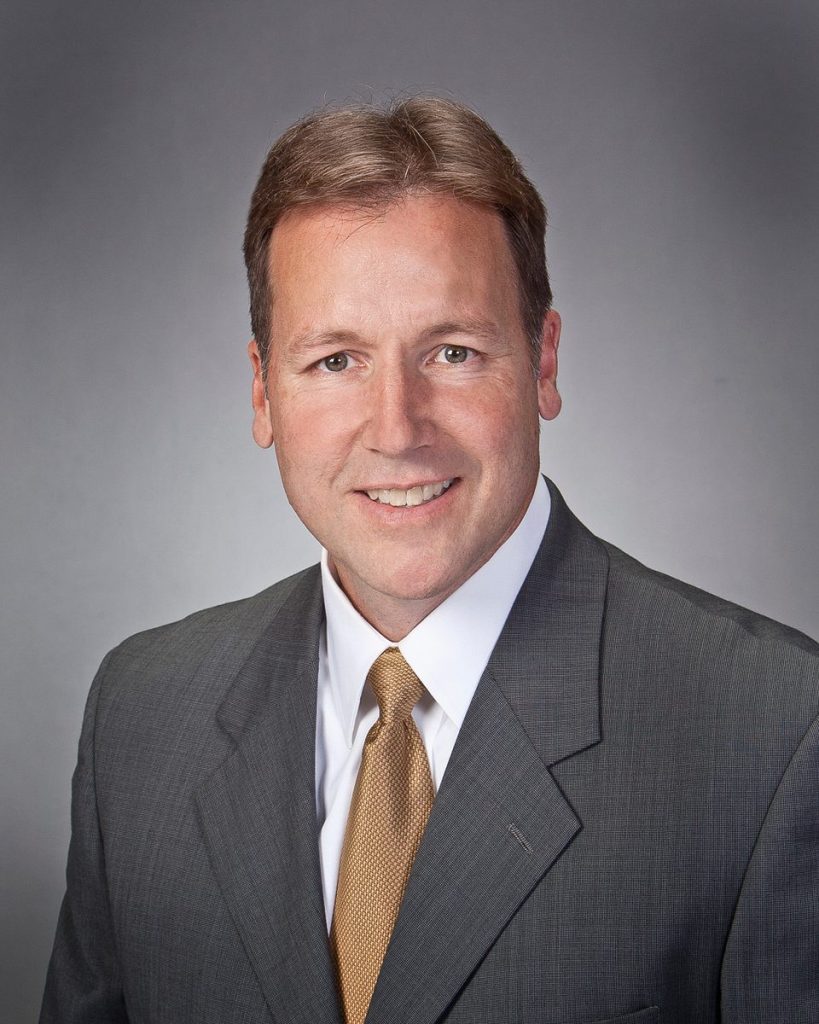
Allen Andrews is the First District State Representative.



