Lunch & Learn teaches stress management techniques
SKYE POURNAZARI/THE FORUM
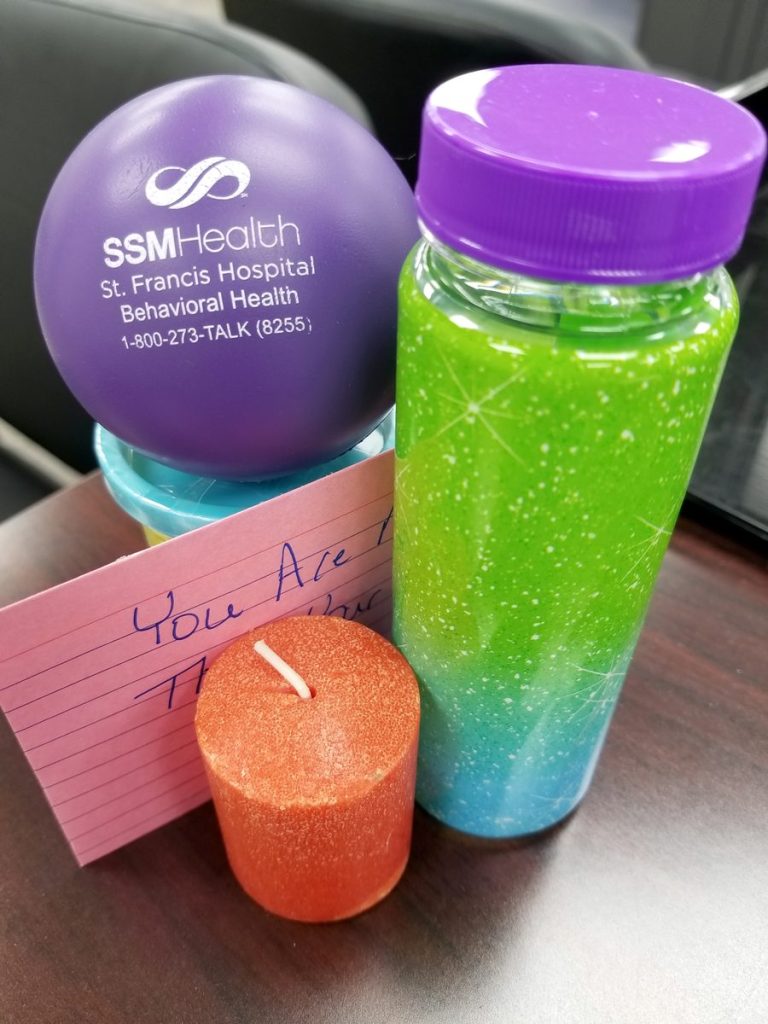
Vicki Thompson, SSM Health St. Francis Hospital counselor, gave the audience each a stress relief bag. Shown are a few of the relaxation helpers which included: a stress ball, bubbles, a small piece of dark chocolate, a scented candle, Play-Doh, hand lotion and a note card for writing a positive thought about themselves.
MARYVILLE, Mo. — Vicki Thompson, counselor with SSM Health St. Francis Hospital spoke last Friday to an audience about stress management techniques in a Lunch & Learn event held at the Maryville Community Center.
While eating a free lunch catered by St. Francis Bread Basket Catering Services, community members learned many ways stress can influence lives, but also tips for managing it and not allowing it to overtake their lives.
Thompson explained that there is both negative and positive stress, or eustress. She said both types of stress are cumulative and can have both immediate and long-term effects.
“Stress is important, because if you didn’t have stress you wouldn’t have to move,” she said. “Stress is a motivator and not all bad.”
She said stress is synonymous with change. Thompson explained that the body doesn’t know the difference, but will experience it the same and learn to adapt.
“Eustress is positive change,” she explained. “Distress is negative change.”
Thompson listed some of the immediate stress symptoms: increased heart rate, increased blood pressure, insomnia, headaches, breathing problems, chest pains, nausea, vomiting and more.
She listed some of the long-term symptoms: feeling run down, back pain, weight loss or gain, colds and flu, minor ailments, viral illness, heart attacks and ulcers.
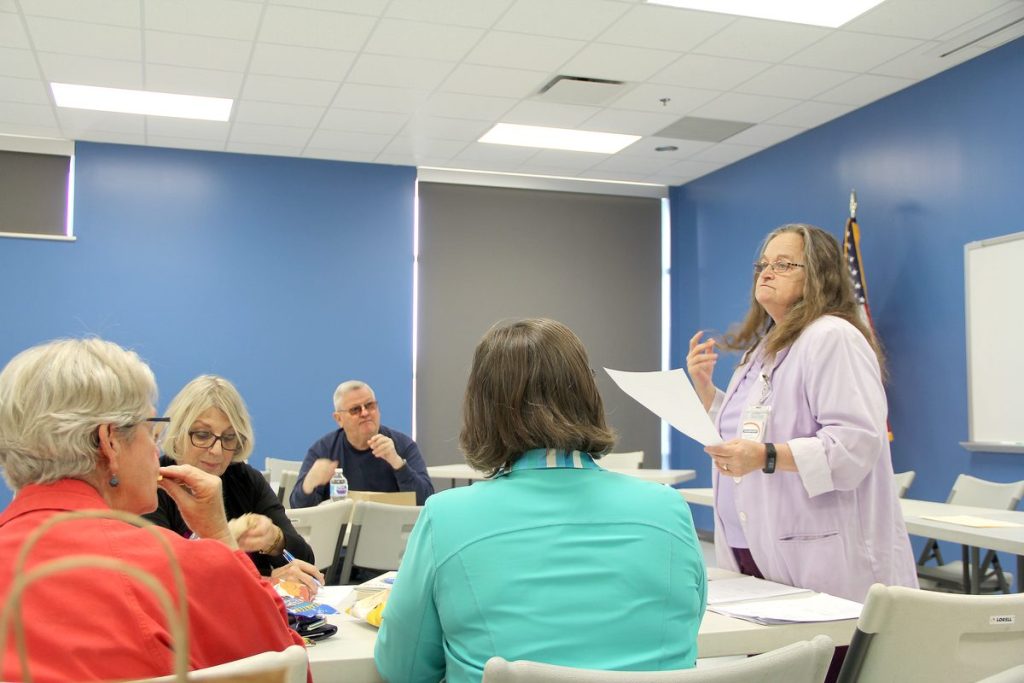
Some of the outward signs of stress include: playing with your hair, clenched fists, dry mouth, inability to talk, clammy hands, confusion, irritability, overeating, undereating, talking too much or too fast, lip biting, butterflies in the stomach.
“One of the big problems with stress is our thought process,” Thompson said. “It’s important to change your way of thinking to reduce your stress.”
She talked about “What if?” or worst-case scenario-thinking that a person may experience when stressed.
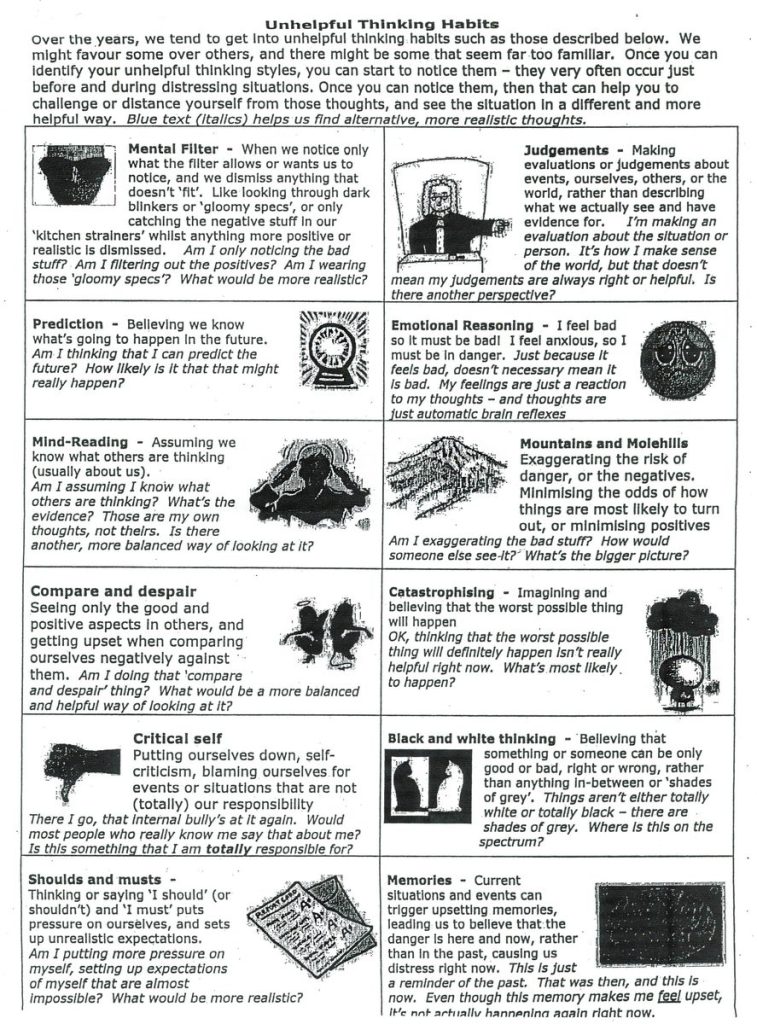
She said a first step toward changing a thought process is to understand just what is being thought in times of high stress. Thompson handed out a flyer with lists of Unhelpful Thinking Habits. She said putting it on the refrigerator can help a stressed person if they read it.
The sheet asks questions for each type of thinking such as: “Am I only noticing the bad stuff? Is there another perspective? How likely is it that that might really happen? etc.”
She said once a thought process is identified, the sheet then gives tips for what you can do to change that way of thinking.
“The important things you pay attention to,” Thompson said. “Unimportant things you ignore.”
She said with her children they would talk about taking little problems, medium problems and big problems and working to shrink them down a size.
“Then you don’t have any big problems left, because you shrunk them,” Thompson said. “That’s something you can do, especially with stress. The most important thing you’ve got to do is identify what your toxic thoughts are, what your unhealthful thinking style is, what you tend to do, and change that.”
She suggested shifting the stressful questioning from “What if” to “What is.”
“Way too often we ignore what is going on because we’re worried about what might happen,” Thompson said. “And all that does is stress you out because the thing you’re getting prepared for may never happen.
Audience members discussed personal stresses in their lives with Thompson and discussed options they can use.
She distributed a stress relief bag, full of goodies to relieve stress in their lives, including: a stress ball, bubbles, a small piece of dark chocolate, a scented candle, Play-Doh, hand lotion and a note card for writing a positive thought about themselves.
“It’s important to use as many of your senses as you can when trying to relieve stress,” Thompson said.
Next month’s Lunch & Learn topic will be osteoporosis. The event is set for noon Friday, May 25 at the Maryville Community Center. May is National Osteoporosis Awareness and Prevention Month and the lunch meeting will discuss early detection and prevention. A free lunch and child care will be provided.
To reserve a spot, call or email Jackie Ross, Community Resource Nurse with SSM Health St. Francis Hospital, at [email protected] or 660-562-7945.
SKYE POURNAZARI/THE FORUM
Audience members listen last Friday as Vicki Thompson, counselor with SSM Health St. Francis Hospital, discusses some of the outward signs of stress including playing with your hair, clenched fists, dry mouth, inability to talk and more at the SSM Health/St. Francis Lunch & Learn event held at the Maryville Community Center.
SUBMITTED
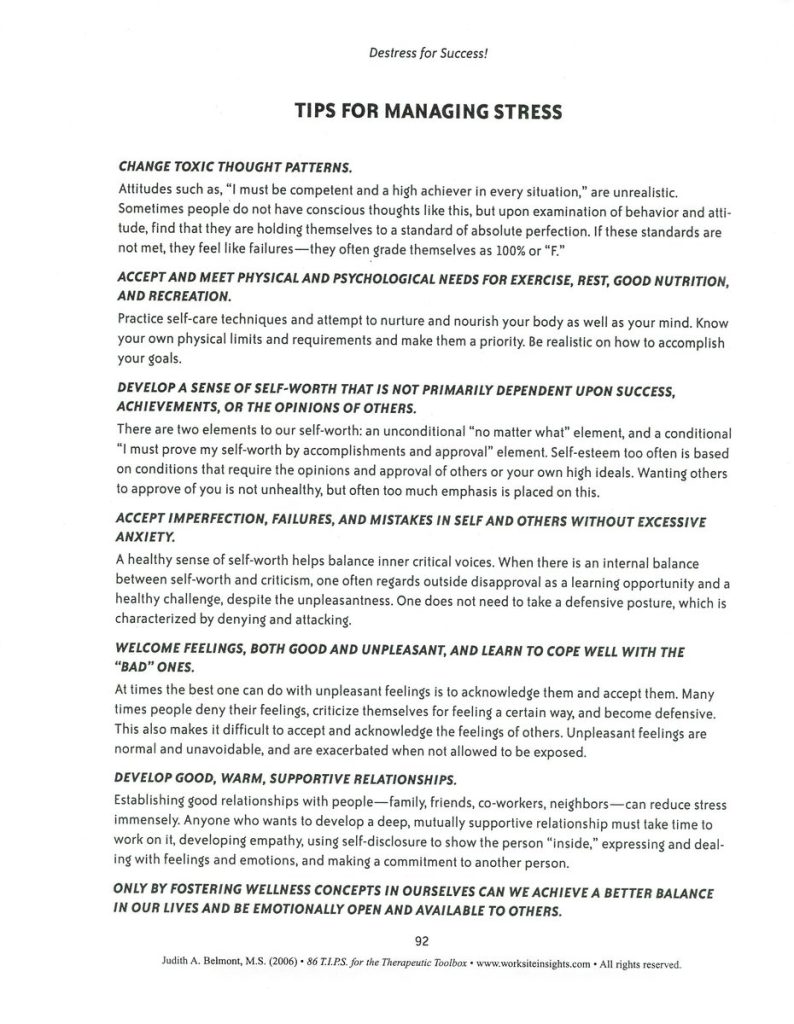
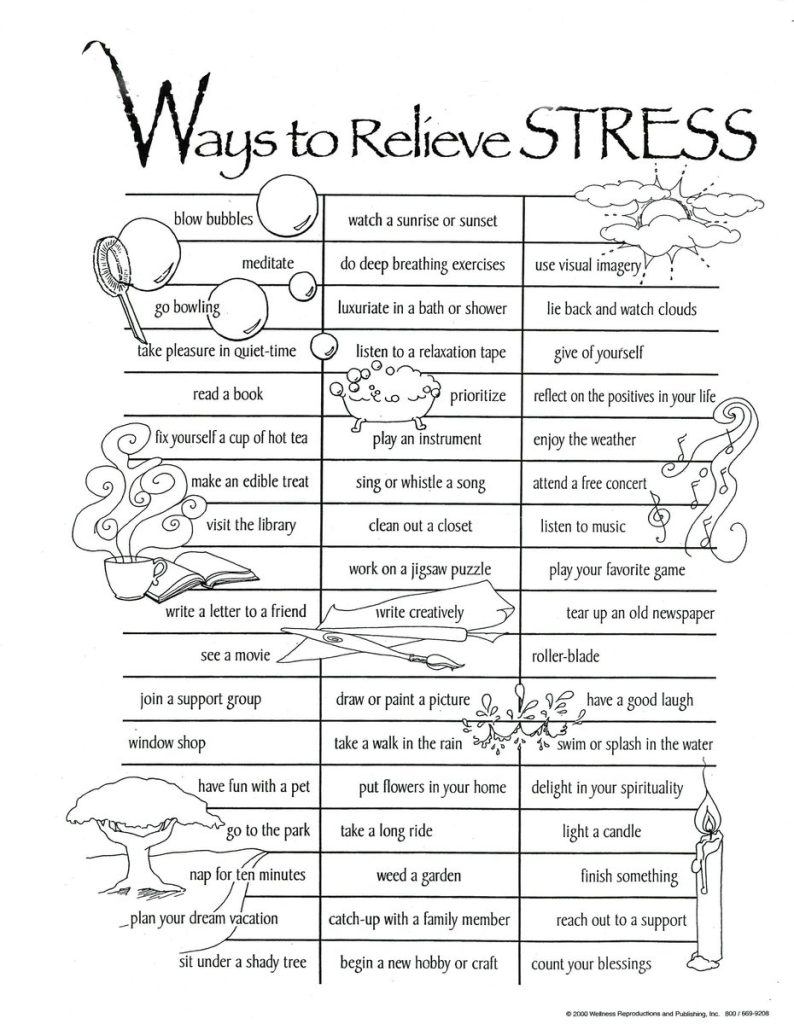
Shown is a handout Vicki Thompson, counselor, gave to audience members at the Lunch & Learn event sponsored by SSM Health St. Francis Hospital.
SUBMITTED
Shown is a handout Vicki Thompson, counselor, gave to audience members at the Lunch & Learn event sponsored by SSM Health St. Francis Hospital.
SUBMITTED
Shown is a handout Vicki Thompson, counselor, gave to audience members at the Lunch & Learn event sponsored by SSM Health St. Francis Hospital.