Council to consider second Kawasaki tax deal
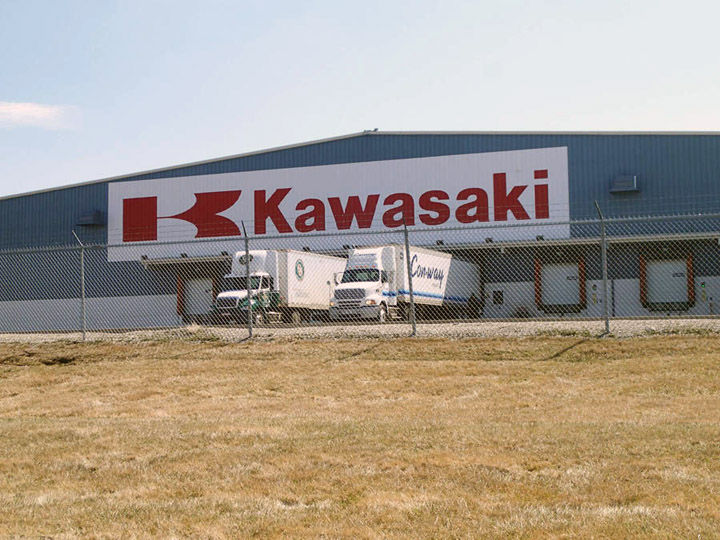
THE FORUM STAFF
The Maryville City Council on Monday, Jan. 22, will discuss a resolution and accompanying ordinance designed to launch a second tax-abatement agreement between the City of Maryville and Kawasaki Motors Manufacturing Corp. Under the proposed deal, Kawasaki would use proceeds from $25.5 million in city-issued industrial development bonds to fund new crankcase, die-cast and cylinder head lines in addition to replacing aging equipment currently deployed on existing camshaft and flywheel lines.
MARYVILLE, Mo. — The Maryville City Council on Monday, Jan. 22, will discuss a proposed resolution and accompanying ordinance designed to launch a second tax-abatement agreement between the city and Kawasaki Motors Manufacturing Corp., the city’s largest industrial employer.
According to a staff report issued Friday by City Manager Greg McDanel, the deal would include issuance by the city of $25.5 Million in industrial development bonds, also known as Chapter 100 bonds.
McDanel said proceeds from the 10-year bonds would be used by the corporation to create additional manufacturing lines and purchase new and replacement equipment needed “to meet production demands.”
According to McDanel’s report, the improvements would embrace new crankcase, die-cast and cylinder head lines in addition to the replacement of aging equipment currently deployed on existing camshaft and flywheel lines.
The proposed investment by Kawasaki includes $16 million in new equipment and $9.5 million in replacement machinery.
McDanel said all equipment proposed for replacement averages between 15 to 20 years old and retains “little tax value on a depreciated schedule.”
In addition, the agreement proposes increasing minimum employment at the Maryville plant to a total of 850 full-time workers, a number that would include around 30 new jobs.
The factory’s current full-time payroll stands at just under 840, a number that McDanel said fluctuates but is nevertheless above the current industrial development bond requirement of 805.
Failure to meet employment targets would force Kawasaki to pay at least a portion of its abated taxes, he said.
Besides meeting job goals, the tax-abatement deal requires that all positions created under the expansion plan pay a wage exceeding the Nodaway County average.
As proposed, the new agreement is similar to a Chapter 100 tax-abatement deal brokered between the city and Kawasaki in 2015, which allowed the plant, after annexing itself into the city limits, to both add jobs and construct a 100,800 square-foot expansion.
Assuming the new measure is approved by the council, the latest deal will abate 50 percent of Kawasaki’s personal property taxes associated with new equipment over the 10-year life of the bonds.
McDanel said the amount of that abatement has yet to be announced but will be included in a plan to be distributed over the next few days to affected taxing entities.
Notification will be followed by a public hearing, after which the council will consider final approval.
Affected taxing entities include the Maryville R-II School District, the City of Maryville, Nodaway County, Polk Township, the NoCoMo Sheltered Workshop, the Nodaway County Health Center, the Nodaway County Senior Center and the Maryville Public Library.
McDanel said Kawasaki will likely be required to make a payment-in-lieu-of-taxes to ensure that public entities, such as the Maryville R-II School District, continue to receive sufficient levels of revenue.