
There’s a part of me that is still scared of Halloween
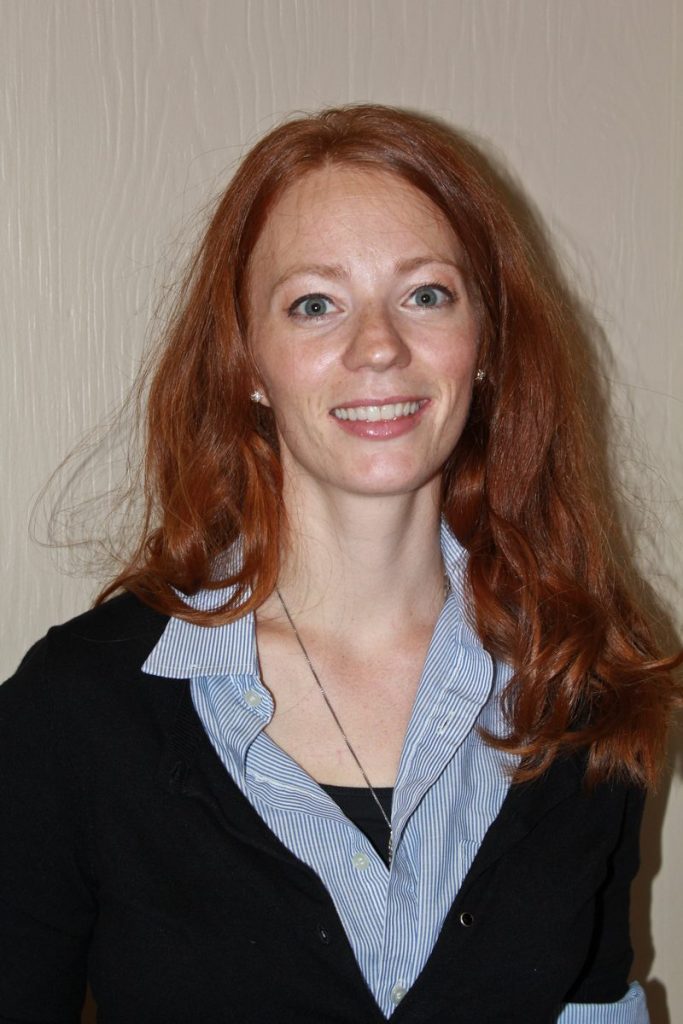
Jennifer Ditlevson Haglund
Though I’d only rate myself as moderately festive for most holidays, I marvel at the enthusiasm of those who take their decorating to near fervor or obsession.
It’s one thing to pull a Clark Griswold at Christmas time, and another at Halloween. Both kinds of displays can be impressive, funny, and almost panic-inducing. While I can pass by one and dismiss it as excessive and silly, I have a harder time handling the ghouls, gore, and cemetery scenery becoming more common as October 31 draws nearer.
My two-year-old has fewer problems confronting all the zombies riding motorcycles and skeletons crawling from their graves than I do. Last week, she ran into someone’s yard to assist “the man” she saw emerging from the ground in front of the most extensively bedecked Halloween home I have ever seen. The two windows upstairs had become eyes, and creepy music played as horror scenes projected onto a white curtain in one of the windows downstairs. Undead corpses were clawing free from the yard, and a makeshift graveyard greeted passersby.
Among all of these things was Charlie Brown, waiting for the Great Pumpkin.
The sweet child of mine insisted that we “help the man” she found and “get him out,” while all my spouse and I wanted to do was retrieve her from her trespassing and keep walking home.
I prepared myself to shield her from these scenes, but she is too young to consider a soul or death. These aren’t images of decay or violence to her, because she has no reference for them. The skeletons with half-rotted flesh on their faces she recognizes as human, and if there’s a pumpkin around, she correctly assumes them to be customary for the season.
For all I’ve read, watched, and experienced of Halloween in the United States, no one really seems to understand what the holiday is and how it should work. I’ve seen it boycotted by Christian groups and replaced with “harvest parties” where everyone does more or less the same thing as their neighbors who find trick-or-treating acceptable, except the bounce houses, candy, apple bobbing, and popcorn are found in a gymnasium or warehouse.
Throughout grade school, I spent three days focusing on a combination of partying and praying. We paraded in our costumes that weren’t permitted to be scary, then attended Mass with the same group with the names of our patron saints written on paper crowns on our heads November 1. The next day, All Souls Day, I tried to figure out who might reside in purgatory and deserved my prayers for release and promotion to eternal rest and communion with Christ.
My parents had no problem with trick-or-treating, but they did warn us of involving ourselves with anything close to the occult. The horror genre that reeked of spiritual darkness they blamed on the influence of pagan rituals passed down and adapted from Samhain or attributed to folk Catholicism in the practices of venerating Santa Muerte, or “Holy Death.” They warned us about the danger of seances and ouija boards that were bound to make it into more Halloween parties as we entered junior high and high school.
This might appear to be immature and superstitious, a disposition caused by listening to too many frenzied conservative evangelical radio hosts invested in finding one more angle on the culture wars. After all, when I lived in Texas, I visited Austin where everyone found a reason to celebrate Día de los Muertos, even if it was only an excuse to wear skull makeup and eat some calaveras and delicious pan de muerto.
But there’s something to facing images of death and disembodied spirits that forces a philosophical question about what to do with mortality when we dress it up and personify it, whether it’s to laugh at it, revere it, or run from it screaming. Death is constant, and a great equalizer, leveling any distinctions we draw amongst ourselves.
Along with looking at death as a concept comes the question of what, if it exists, is a soul and its function and power in relation to the body. On Halloween, even the most radical secularists pretend for an evening of scares that a paranormal or spiritual realm exists.
Any time of year, I still run up dark basement steps, and my level of tolerance for watching anything violent or spooky is lower than most 12-year-olds’. Yet I don’t have a problem letting my daughter participate in an evening of dressing up as Minnie Mouse to beg for candy. I’m still untangling the myths from the realities that made me this way, so I don’t question when people choose to skip acknowledging the Halloween festivities for their own reasons.
Halloween is a cultural memento mori of sorts. For some, it reminds them of all that is evil in this world, and possibly another. It’s discomforting to question the ability to control it or potentially contribute to it by summoning and celebrating it.
Jennifer Ditlevson Haglund is a former news reporter for the Maryville Daily Forum, now living and writing in Ohio.



