
Bands, floats, politicians – the reason horses bring up the rear
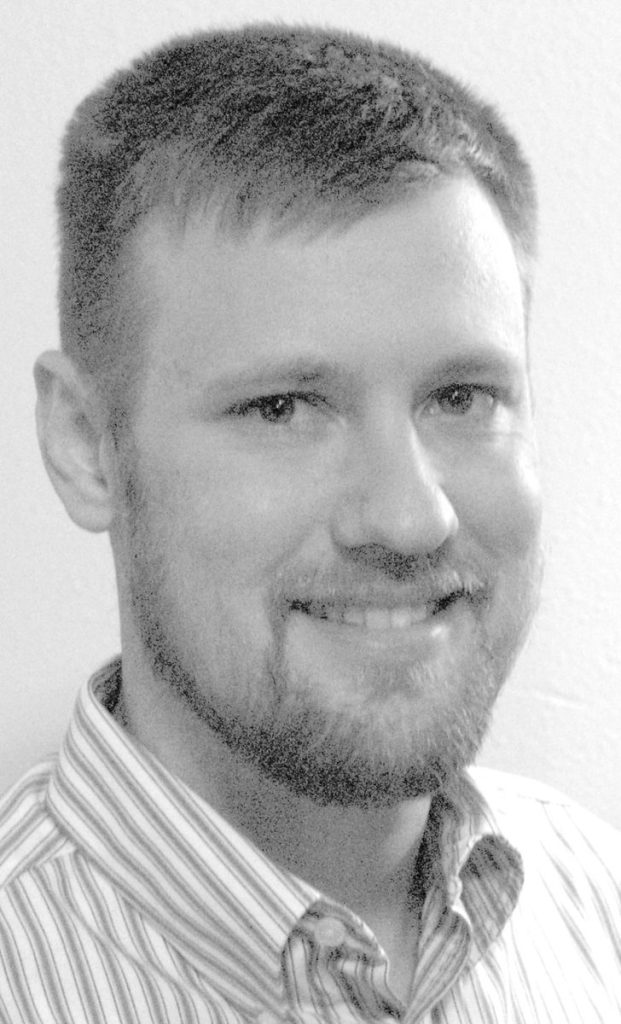
Matt Pearl
What’s the difference between a line and a parade?
As far as I can tell, the distinguishing factor is publicity and interest. A parade draws spectators – a line attracts participants.
It’s the very image of the two party system: when our party is in control, we walk the line. When the other one is in power, we stand and gawk, waiting for the procession to pass.
As a parade advances, the children await candy being tossed here and there, filling their bags and buckets with treasures. And so the masses still crawl on the pavement when the procession passes, hoping to pocket a treat during the event.
On parade day, you have two options: you are either in the lineup, or you are watching. But in grade school, the line we formed to take us to our destination was far from optional.
That line to the lunchroom held virtually no options at all. There was one direction it was going, and either you stayed in the line and arrived at the destination with your classmates, or you paid the consequence for getting out of file.
At some point, we stop using lines, except when we are called upon to receive some sort of public service, or if we want to ride a roller coaster. But everybody loves a parade, as they say.
The procession of marching bands, baton twirlers, clowns – it’s entertainment that we all enjoy. The area parades I attend have planners that know in precisely which portion of the proceedings where the horses belong.
Beautiful, graceful, and peaceful as they are, horses have to go in the back, right? They leave their mark on a parade route – but that’s not candy they’re dropping on the pavement.
Now that I think about it, I’m a little concerned. If the horse – stuff – is dropping in record amounts on the political scene, it makes me wonder how long this parade can last. Are we at the end?
One thought brings me back around: politicians have certainly been full of the same stuff for generations, have they not? If this is the end of the parade, there must be miles worth of horses bringing up the rear.
Maybe the more realistic fear I carry from the image of America’s political parade is that of spectators lining both sides of the street, while the absurd few walk (and ride) down the pavement’s center.
We have inexcusably become spectators in our own communities. The parade of power, money, political entitlement and corruption moves by, and when the proud political stars wave to us, we smile and wave back.
When they throw candy, we pick it up. And when it’s over, we disperse, returning to our jobs like good little worker bees.
And when we watch the news, we keep the parade going: the powers that be make the headlines, and we read them. They make laws, and we follow. To an extent, civilization must be from this pattern: we must have leaders, followers, policy makers, laborers, etc.
But in the American system, we must remember that the parade is ours. The floats, the bands, the clowns and even the horse – stuff. Every entry in that parade is marching on your streets, playing your trumpets and clarinets, driving your vehicles and throwing your candy back to you.
We talked about parades having both participants and watchers, but there’s actually another choice for all of us. We may choose not to attend. When the political procession gets too corrupt and unbearable to view, perhaps we would be better off at home with our families.
Matt Pearl owns and operates newspapers in King City, Albany, and Grant City.



