
Teaching a toddler to get comfortable in her skin
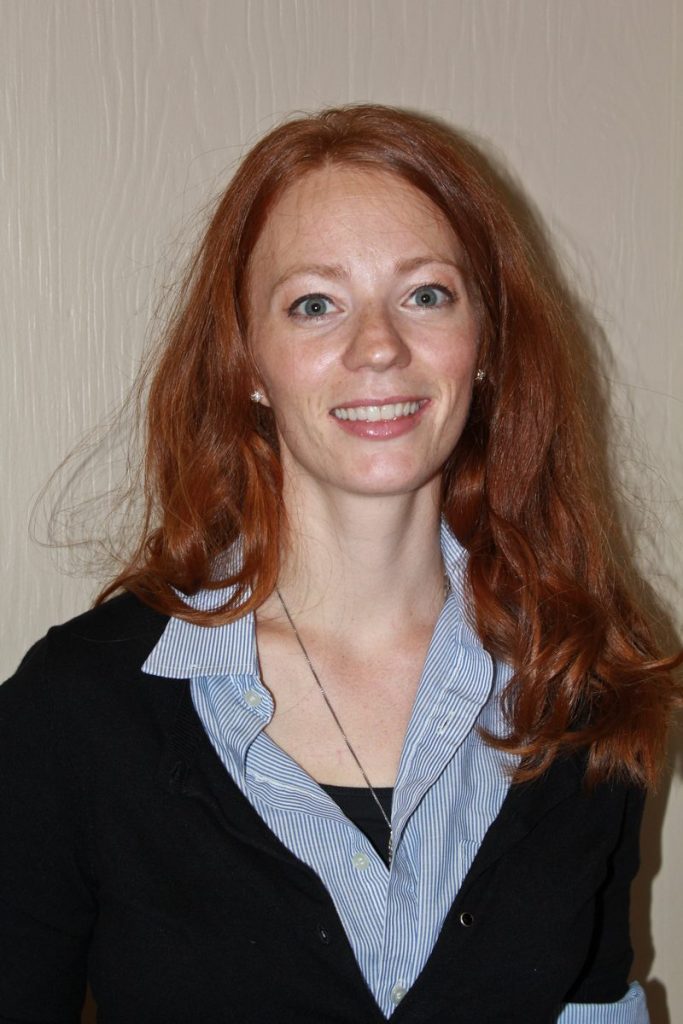
Jennifer Ditlevson Haglund
At the ironing board on Easter Sunday, I pressed the front panel of my daughter’s springtime outfit, a white blouse embroidered with purple flowers. I pulled it off the board and raised it to show her the pretty top. She let me pull it over her head and stick her arms through the holes without a fuss, until I began to button the back.
She began to scream. “Off! Off with shirt!”
I wanted to tell her to deal, even though the garment was noticeably snug around the chest and arms. She wouldn’t have to wear the outfit longer than Sunday service, but I wouldn’t have wanted to try to play with my arms pinched, either.
As I removed the shirt, she cried harder and lunged for it. She sobbed, “Pretty shirt no fit. Too tight!”
And so it begins, I thought. This is it. This is when I have to figure out how to react so she doesn’t think anything is wrong with her. Quickly, I called to my spouse to get her favorite dress I knew fit. The momentary drama blew over, but something similar will happen again sooner than I expect. Both her parents grew fast, reaching and finishing puberty early.
Whereas some people have one or two awkward years at the onset or just before adolescence, mine lasted from kindergarten until junior high. Nothing fit. I was shopping in the junior section at 9, because I was 5 feet tall and 100 pounds. For perspective, that’s 7.5 inches and 38 pounds greater than the current national average for female children that age.
The girls’ department didn’t offer a special “husky” section equivalent. My mother looked for it one afternoon when she couldn’t find my size. I don’t think that would have been the answer to my problems anyway. It didn’t help my self-image when I also had huge glasses, big and wide-spaced teeth, and a susceptibility to sunburn. Regardless, I wasn’t old enough for many of the teenage styles to suit me.
I grew up feeling impossibly ugly. Although members of my family and close friends tell me that’s not what they recall, they didn’t have to live in my body. Hopelessly, I searched for someone else who was built like I was, but I couldn’t find anyone. I felt like a freak.
My mother saved a couple of my dresses from grade school so I might share them with my daughter. I hate to admit I hope she never fits into them. The first time I saw them since childhood, I was shocked by their width. They almost fit me, an adult woman.
No matter how many body positive and size dignity campaigns try to counter it, life is and might always be easier for those who fit into a culture’s beauty standards. I’m not saying the advocacy is not worth the time and money, but I already have a problematic relationship with my body. It’s difficult for me to know where my legitimate concerns about health and the vain and harmful concern about the appeal of my physique begin and end.
While dealing with myself, I have to figure out how to raise a child to have more confidence and a more stable understanding of her incalculable worth than I ever did. I don’t have a plan for how to ensure she’ll maintain a healthy view of herself, but she will learn much from me. She watches and listens more than I realize.
Not long ago, I found her in the bathroom on the scale. She’d gotten it out herself, and I would have felt bad if she hadn’t also been saying “I am a big girl. I am strong.” When I told her the number that appeared on the screen, she repeated it and said, “Strong lady,” a phrase she repeats as she pushes her scooter down the sidewalk or through the house. She has no idea what the numbers of her weight mean, other than they indicate she is growing well.
Jennifer Ditlevson Haglund is a former news reporter for the Maryville Daily Forum, now living and writing in New York City.



