
My hopes for my daughter growing up in a big city
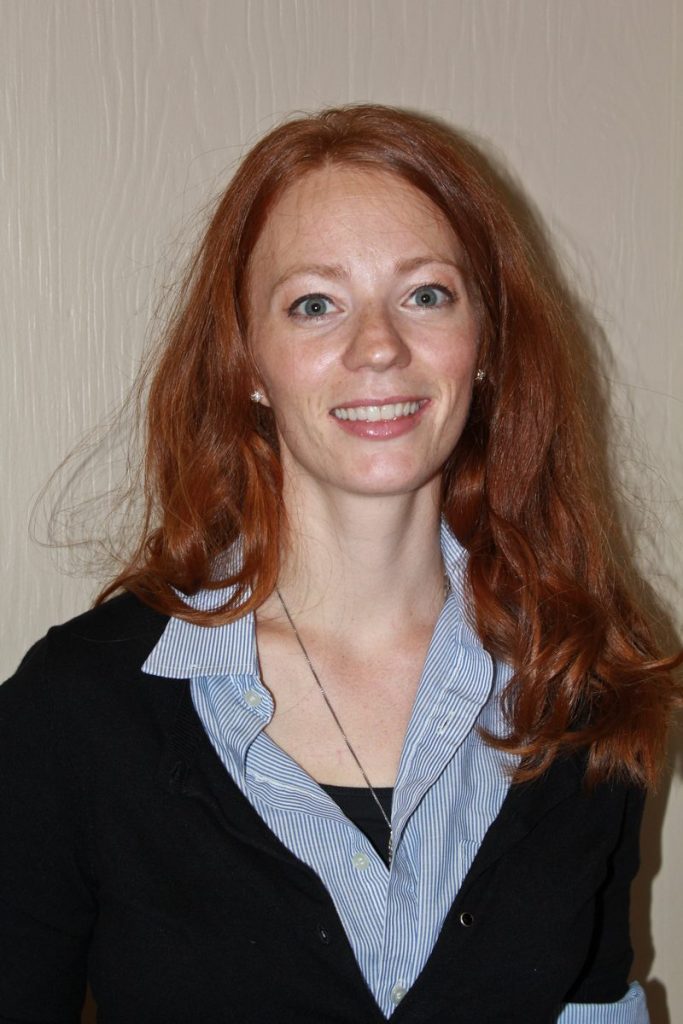
Jennifer Ditlevson Haglund
Raising a child in the city challenges me, but not because I think it’s a bad place to be. The smaller towns of the Midwest and West are no holier than the coasts and their big cities.
New York’s crime doesn’t frighten me. My small hometown in Ohio has made national news for the last several years for homicides, serial killings, scandal, and abuse.
Preserving my daughter’s sense of wonder, however, concerns me. Surroundings affect how a person perceives and interacts with the world, and I don’t know how to guide a child whose life looks so different from the one I knew.
When I taught in Dallas, I worked with students from Seoul, Moscow, Tel Aviv, and Ho Chi Minh. They were so bored because there was “nothing to do” in the ninth largest city in the United States.
Every time I heard this in class, I had to withhold an eyeroll.
At my daughter’s age, I lived in a town half the size of Maryville. We had Runza, Amigos, Pamida, some gas stations, and a grocery store.
My memory begins around 3, and I remember running barefoot and drinking hot water from the garden hose a lot. The summer sun scorched the pavement of streets I wasn’t supposed to trample but did anyway. Pulling bubbling tar from the street and shoveling for hours in the sandbox provided much of my entertainment.
Moving to a town twice the size of Maryville at 5 wasn’t that big of a change, except that there were four grocery stores and a Wal-Mart. Everyone I knew had a yard.
My daughter doesn’t even hear anyone use that word, because where we live now, it’s replaced with “park,” where there are swings and slides but little or no grass.
For a long time, my world was very small and quiet. No matter how much I longed to learn about life outside an insular environment as I grew, I liked the privacy afforded me in wide open fields of grass and alfalfa or streams running through forests shaded by trees.
My child’s world is loud. The trains overhead shake the tracks. Their shrieking breaks play a grating descant over the taxi drivers’ full-minute horn blasts below the bridges.
Sometimes it saddens me that if my daughter grows up here, she won’t know what it’s like to ride her bike down a half-mile hill to a town creek and spend the day wandering through the water, collecting rocks and seeing how far she can get before she has to make it home. She will never see food growing in huge patches of land on a regular basis like I did.
I won’t know how to respond if she comes to regard places I call home “flyover country,” but I might need to worry less about it. At some point, I’ll fill her in on things like catching fuzzy caterpillars, making wishes on dandelion puffs, and taking occasional trips to Dairy Queen.
My job as her parent isn’t to raise a carbon copy. She’s going to have different experiences than I did, just as my life greatly differs from my parents’.
I remember them comparing the norms between Ohio and all the other places they’d lived. Along the adjustments from their moves, my parents kept one thing constant. They focused on teaching their children about noticing and engaging with others.
Every day, sometimes on the same train ride, my daughter’s life in New York will show her the extremes of people living much larger than I could ever dream and those just trying to find something to eat and a place to stay for a few hours. With piles of food for sale and bakeries on every corner, I wonder how one city can have so much food and yet also have so many hungry people.
I want my child to know that doesn’t have to be normal, and that people aren’t mere scenery. In this noisy, busy place, it’s easy to build your own enclaves and choose not to see what is right in front of you.
If I can teach her to keep her eyes open, not just for her safety but for opportunities to really see people in their various states of need, then I’m doing something right.



