Graves pledges to fight new name for preserve
PIT STOPS PHOTO
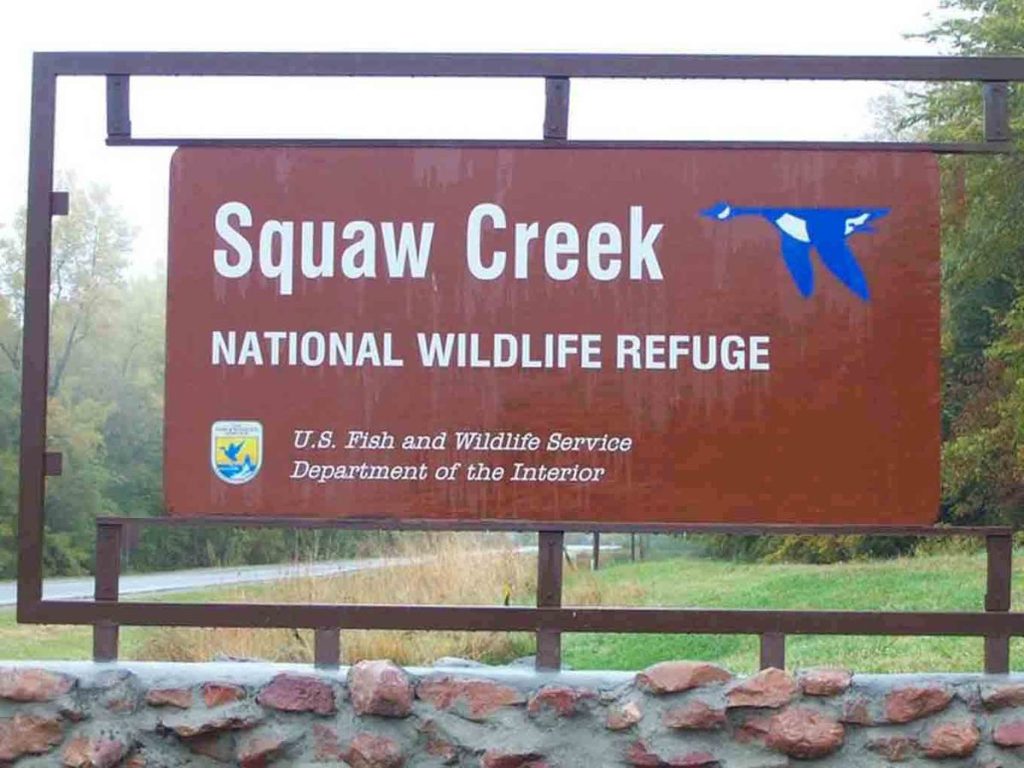
Established in 1935, the Squaw Creek National Wildlife Refuge near Mound City has sparked conflict between the U.S. Fish and Wildlife Service and U.S. Rep. Sam Graves, who is opposing a proposed name change for the preserve to Eagle Flats. Graves is claiming the federal agency wants to impose the change without adequately taking into consideration the opinions of local residents. The term “squaw” is regarded as offensive by many Native Americans.
U.S. Rep. Sam Graves is continuing efforts to reverse a U.S. Fish and Wildlife decision to rename Squaw Creek National Wildlife Refuge, a large federal nature preserve near Mound City about an hour southwest of Maryville.
The word “squaw” is an anglicized word taken from an Algonquin term meaning “woman.” But many Native Americans view the word as offensive, arguing that, as long used by whites, it has acquired derogatory, frequently sexual, connotations.
According to news reports, FWS Director Daniel Ashe has proposed renaming the preserve Eagle Flats National Wildlife Refuge, a move that Graves opposes because he feels local citizens were not consulted with regard to the change.
In a recent letter to Ashe, Graves complains that the decision to change the name was “made with no public input,” and that a Dec. 19 meeting described as “invitation-only” was held “merely to ‘gather local input’ on a new name for Squaw Creek — not to debate the decision as a whole.”
The letter further claims that “no local press or media outlets were notified of the meeting, and no prior notice was given to those affected most — individuals living in the communities that surround Squaw Creek.”
Graves wrote that members of his staff were present at the gathering and observed “significant public opposition” to the name change, which the congressman said “does not reflect the will of the people who frequent and support this refuge, and is simply the wrong decision for this community.”
Squaw Creek, which is named for a stream running through the area, was established as a wildlife refuge in 1935 by President Franklin Roosevelt. It serves as a haven for thousands of migratory waterfowl and other wildlife, including bald eagles, and attracts nearly 150,000 visitors each year.
The preserve is also known for the Loess Hills, a geographical feature consisting of scenic, mound-like ridges formed from wind-blown dust.
In his letter, Graves claimed there has “not once been an organized local movement to rename the refuge.” He added that a similar change proposed by the Clinton administration in 1997 “met with such aggressive public backlash that the move was reconsidered and withdrawn.”
Among other comments, Graves criticized the timing of Ashe’s proposal, which he characterized as “coming during the holiday season and in an apparent rush to finalize before the change in (U.S. presidential) administration” on Jan. 20.
“This expedited, secretive approach,” Graves stated, “does not allow for the timing to properly vet the proposal, and denies the opportunity for public outreach necessary for such a change.”
Should the name change proceed, Graves said Congress would review the decision under authority given to it by the Congressional Review Act of 1996 in order to “determine whether this action is detrimental to the community and an unnecessary use of administrative authority.”