
An appreciation, and hope for a better set of habits
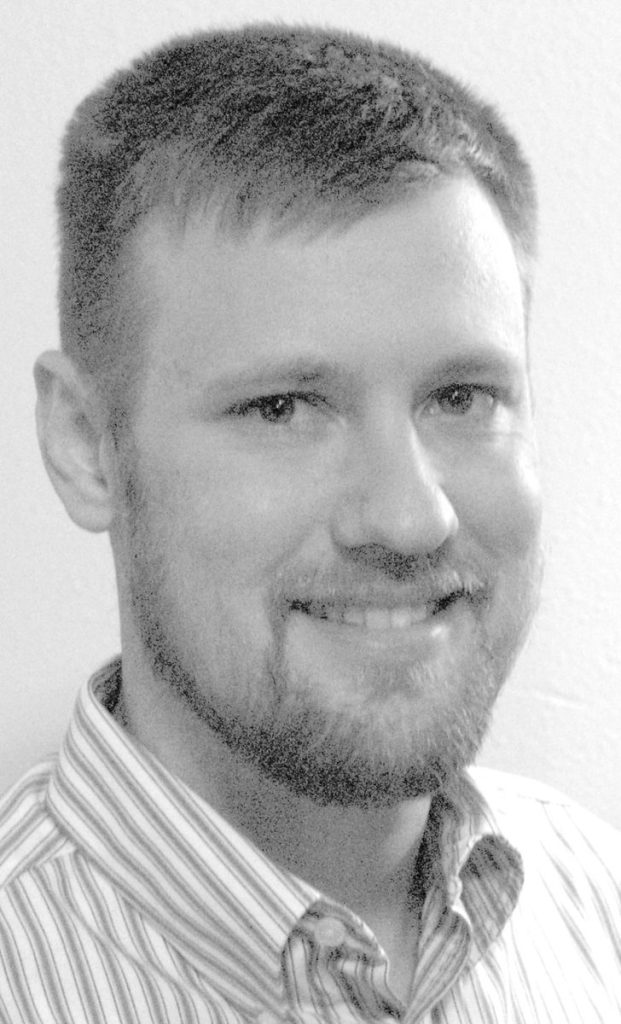
Matt Pearl
First off this week, I’ll take a moment to pay a few respects to Jim Fall, a community journalist and friend of mine who passed away earlier this week.
Jim published both The Stanberry Headlight and The Albany Ledger in the late 1970s and early 1980s, and I’m sure was well known by several of our readers, particularly in Stanberry Country.
Jim welcomed me into the fold as a northwest Missouri newspaper publisher in the early days of Emily and my ownership of The Tri-County News. Newspaper was in his blood, and he spent considerable time in his final years working alongside another former Gentry County publisher, Phil Cobb, at the Maryville Daily Forum.
I cannot impress upon readers how vital to rural communities that newspapers remain: that’s not a business plug or an advertising pitch. Jim put out quality weeklies in this county, and working alongside another staff full of local journalists at The Forum helped to maintain the community news tradition.
Newspapers have in great part come into the possession of larger organizations—corporate “rubber stamp” publishing houses that slap a little bit of local content on the front page, then put generic, statewide bulletins within to pad pages and create space for advertising.
When (and if) local newspapers surrender their posts as regional news reporting agencies, you will see a culture shift in rural Missouri. Jim held an appreciation for printing local news and maintaining sources of community journalism. He will be missed.
*****
We place a great deal of importance upon our daily routines, and rightly so—our habits are the building blocks of all of our day to day activity. On a tip from Northwest Medical Center skipper Jon Doolittle, I read The Power of Habit, the self-help bestseller by Charles Duhigg that gives detailed studies in the power of our daily routines.
Rogers Combs and I both picked up copies of the book, and I’ll be anxious to compare notes with him sometime very soon.
I’ll not summarize an entire book—one that many of us probably ought to read—but will use its main theme to make an observation or two.
Our habits, good or bad, possess a trigger (the circumstance or event that puts the habit into motion), a behavior (the habit itself) and a reward (the payoff for the habit). When we learn to control the habit by recognizing the trigger, we gain power over the habit itself. That’s encouraging to me, for I possess many flaws—imperfections that I perhaps was born with, or developed, but flaws I do not intend to die with.
It is easy for most of us to identify the solutions to other people’s problems, but we often struggle to improve our own selves. This time last week I was the father of two, but I am now the father of three. It’s a sign to me that more is required of me, and the stakes just rose by exactly one human being.
When life informs us of our shortcomings, we are fools to do anything but respond by setting a goal, changing a habit and making progress personally. It’s easy to say, isn’t it? It’s doing and finishing where most of us run into problems.
Still, what sort of people would we aspire to be? We’re really intended to lead lives that fall short of our expectations. If your 8-year-old self met you now, would he/she be impressed—or disappointed? Bad habits might be hard to quit, and good habits hard to acquire—but maybe we can trade one for the other and call it even.



