
Household waste event set for Maryville
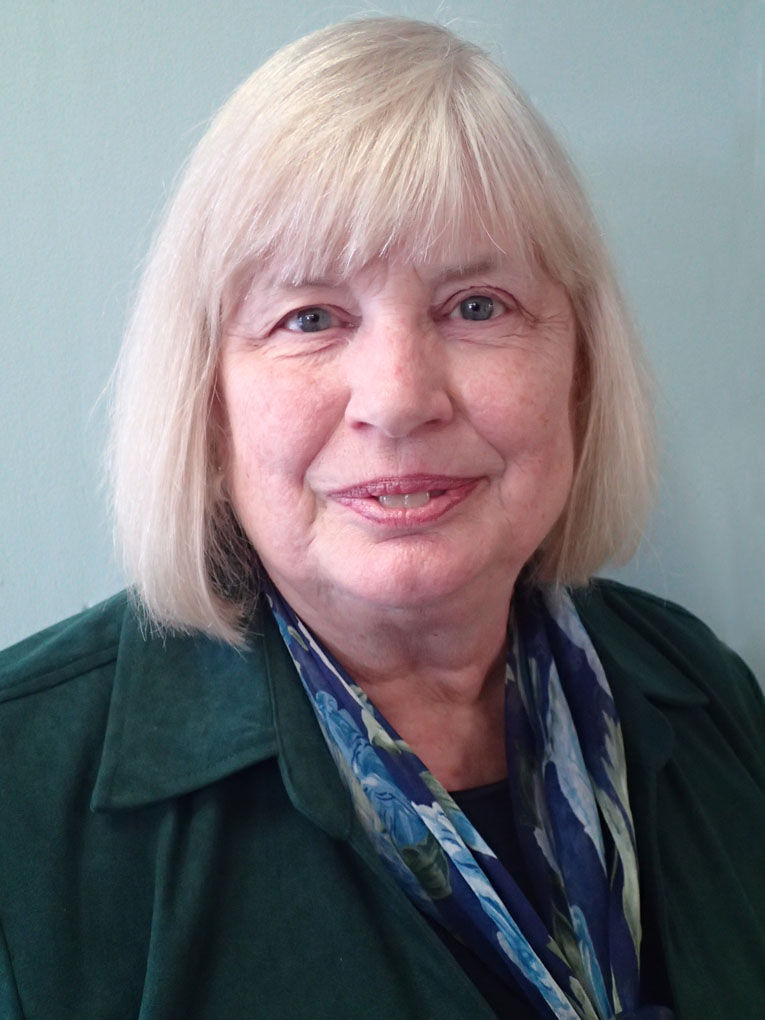
Linda Laderoute
The Northwest Missouri Regional Council of Governments will offer a household hazardous waste collection event from 8 a.m.-noon Saturday, April 9, at the Nodaway County road and bridge maintenance garage, located at 1516 E. Halsey St. in Maryville.
Organized in partnership with the Nodaway County Commission, the free waste collection service is being funded by a grant through the Northwest Missouri Solid Waste Management District. Any resident from Atchison, Holt, Gentry, Nodaway, or Worth counties may participate.
A similar collection event is scheduled from 8 a.m.-noon on Saturday, April 2, at the Holt County road and bridge maintenance garage, located at 800 E. Nodaway St. in Oregon.
No electronics, latex paint or alkaline batteries will be accepted at either location. Dry latex paint and alkaline batteries are no longer considered household hazardous waste. Electronic devices are recycled by a number of area businesses.
Other unacceptable materials and items include motor oil, syringes, prescription medicines, compressed gas cylinders, smoke detectors, commercial waste, radioactive waste, explosive waste, and unidentified substances.
Linda Laderoute, an environmental planner for the regional council, said waste to be accepted for disposal includes most substances used for cleaning, painting, lubricating, and disinfecting homes, yards, workshops, and garages.
She said the average U.S. residence contains more than 100 pounds of hazardous products, which are often stored underneath sinks or in basements, garages, and closets.
“The health of our community and the environment is endangered when these types of products are discarded in storm drains, household garbage, or sinks,” Laderoute said.
Specific examples of household hazardous waste to be accepted for disposal include bleach, ammonia, cleaners, fertilizers, pesticides, brake fluid, transmission fluid, and waxes; nickel-cadmium, lithium, and lead acid batteries; and fluorescent light bulbs and tubes, mercury, antifreeze, oil-based paint, and varnish.
Laderoute said it is important for residents planning to bring in waste to keep substances in original containers and not mix materials together. She said chemists at the event use information printed on packaging in order to effect proper disposal.
“Special collections are vital for our region because there is no permanent drop-off facility in Northwest Missouri,” Laderoute said, noting that the closest permanent disposal facility is in Lee’s Summit.
However, that may soon change.
Earlier this month Laderoute and Regional Council Executive Director Jackie Spainhower met with the Nodaway County Commission to discuss establishing a permanent disposal site in Maryville, probably at the maintenance barn.
Plans are still being worked out, but the facility could take the form of a large metal storage container. Such containers have been adapted for use at existing HHW sites in a number of Missouri cities, including Higginsville and Rolla.
Preparation of such a container typically includes painting and adding ventilation ports and signage. The structure would not be hooked up to electricity or other utilities.
Once the facility is ready to accept waste, Laderoute said, its operation would be pretty much up to the County Commission. However, only certain types of hazardous waste — as listed above — would be permitted, and waste could be deposited only when a trained county employee is on hand to accept it.
One approach, Laderoute said, would be to open the waste facility once a week or a couple of times a month. Depending on volume, waste would be removed from the container once or twice a year by a licensed hauler for transport to an approved site for permanent disposal.
Laderoute said that depending on the availability of grant funding, the permanent disposal site could be ready for use sometime next year.




