
National Eating Disorder Week: a closer look
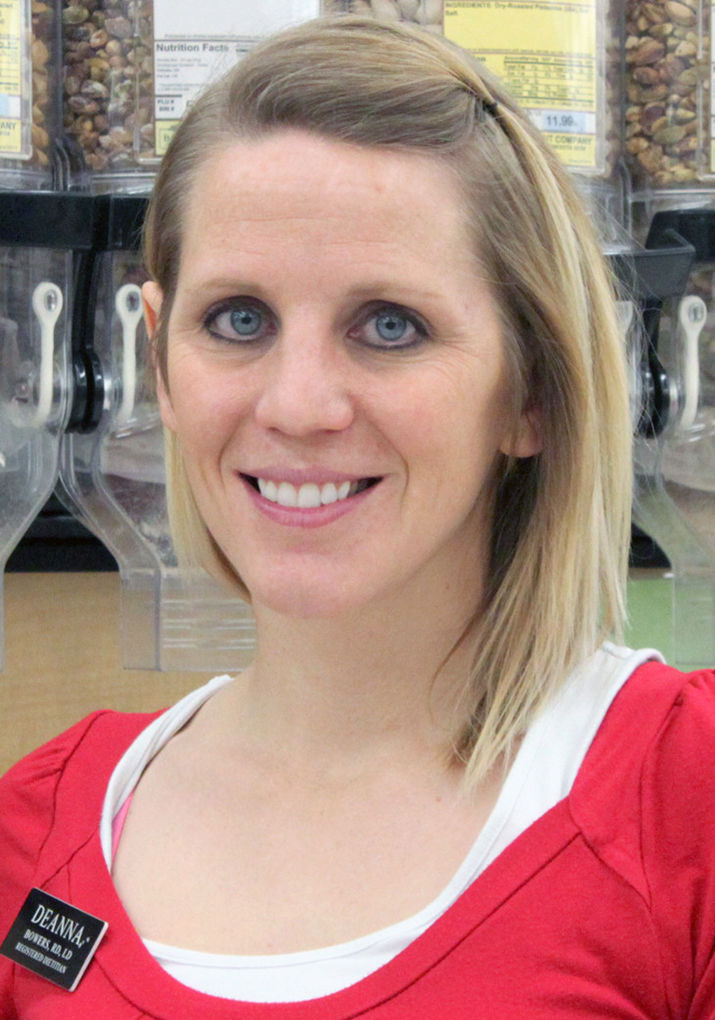
ALANNA WOLF-ARMSTRONG
Deanna Bowers
Feb. 21 – 27 is National Eating Disorder Awareness week, and this year’s theme is the importance of early intervention and screenings.
Unfortunately, there are a lot of misconceptions regarding eating disorders; a common point of confusion is the difference between eating disorders and disordered eating.
Disordered eating includes various types of unhealthy relationships with food, but is not the severity of an eating disorder.
An eating disorder refers to a diagnosed mental illness which consumes the individual’s thoughts and life.
Disordered eating can often lead to an eating disorder.
Another misconception is that the treatment of an eating disorder focuses on the food itself.
In reality, eating disorders are almost always about much more than just the food, and are accompanied by a lot of mental and emotional distress.
Some statistics about eating disorders:
1) Eating disorders have the highest mortality rate of any mental illness1
2) Approximately 24 million Americans are currently suffering from eating disorders2
3) Anorexia is the third most common chronic illness among adolescents2
4) One in 10 males struggles with an eating disorder.
Though eating disorders are categorized into different forms (anorexia, bulimia, binge-eating disorder), every individual facing an eating disorder has his or her own unique challenges.
The earlier it is identified and diagnosed, the greater hope the individual has for healing.
An eating disorder is not just a “phase;” the consequences of an eating disorder can lead to severe physical and emotional health issues, including death.
So how can risk for an eating disorder be determined?
The National Eating Disorder Association offers multiple resources at www.nationaleatingdisorders.org , including a screening tool available at www.mybodyscreening.org.
You can also contact your Hy-Vee Registered Dietitian for more information regarding local mental health professionals or resources for eating disorder help.



