
GOP candidates attempted to show strengths in debate
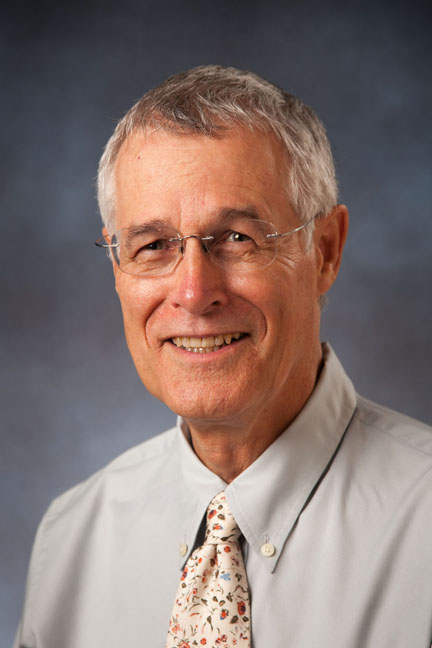
Richard Fulton
What can we draw from the Republican presidential debate last Tuesday?
Many commentators have tried to discern who won and who lost in the debate. I will try and deduce the strategies of the candidates from who and what they targeted and what they tried to project during the two hours of back-and-forth.
First, it seems clear that both Ted Cruz and Marco Rubio perceive themselves as ultimate finalists in the quest for the nomination. Therefore, they targeted each other in the debate, each trying to distinguish himself from the other.
After all, both are young members of the U.S. Senate with specific views on the record including what bills they championed and how they voted on a variety of issues. Thus the back-and-forth on pointing fingers at each other on specific issues.
Donald Trump, it seems to me, continually falls back on his generalized themes, such as making America great again, and his position in the polls. When Jeb Bush attacked him, his instinct was to attack back, though he seemed a bit unnerved by the intensity of the attack.
As for Jeb himself, he clearly wants to undermine Trump’s present advantage while positioning himself as the “reasonable” moderate alternative, not only to Trump but to the majority of more conservative candidates he has to compete with.
Bush’s hope is that the conservatives will dig too deep a hole of positions too conservative and too antagonistic for broader audiences. He then can “save the day” by being the more middle-of-the-road candidate.
Main line Republicans hope for a moderate breakthrough and Bush wants to be the one to gain their support.
John Kasich and Chris Christie projected the theme that they have executive experience needed to meet the challenges of, especially, the tough decisions a president must make in foreign affairs.
Kasich also served in Congress, so he says he has the best experience, he says his Ohio governorship can swing the election since no Republican has ever won without Ohio. If only he would control his hands.
Christie, governor of New Jersey, keeps reminding us of 9-11 and how he suffered through the event and later cooperated with the FBI as governor. Somehow, he has to distinguish himself from the crowd, and this is the strategy he has chosen.
Ben Carson, with his low profile personality, wants to emphasize his extensive experiences and that he is a nice guy. Wasn’t it Leo Durocher, major league manager, who once said “Nice guys finish last”?
Carla Fiorina was in an attack mode Tuesday. She needs to make an impression so she became more aggressive. Her theme is that she can beat Hillary Clinton. She joins the others in attacking the presidency of Obama and always adds Hillary to the Obama name and experiences. A business executive is as good as political lifers.
Rand Paul was not comfortable with the foreign policy theme of the evening. His strong suit is based on policies to end the growth of the federal deficit.
All of the candidates want to increase spending on the military. The recently passed military spending bill takes up half of the discretionary funds of the government, so it is not clear how they want to pay for all the increases.
It was a lively debate that gave some insights into where each of the candidates want to take the race in the months to come.
NOTE: Last week’s column noted that the bill to continue 50 tax breaks costing $650 billion was put into the omnibus spending bill Congress did not pass on time.
That was wrong. It is a separate bill, but the two parties are negotiating them together hoping that compromises on both will get them both passed. This was supposed to happen Wednesday, after this was written.
Don’t look too closely at what is in the final drafts, they contain many special interest Christmas presents. And a happy Christmas to all, even if your present is not in this goody bag.



