St. Francis diabetes team seeks to win lifestyle war

SSM HEALTH PHOTO
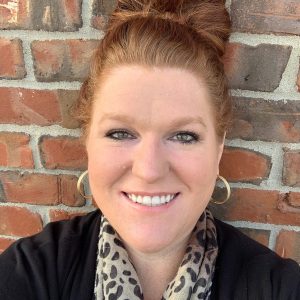
The diabetes education team at SSM Health St. Francis Hospital in Maryville has been working to get the word out this month about the ways in which diet and exercise can dramatically reduce one’s chances of developing the disease. Front row from left: pharmacist Matt Marting and dietitian Julie Livengood. Back row from left: pharmacist Amie Florea, obstetrics nurse and lactation consultant Katie Skaggs, registered nurse and lead diabetes educator Deb Hull, and physical therapist Sharon Meyer.
How many people do you know with diabetes? Unless you’ve asked, chances are you wouldn’t even know the people around you that have it. That’s because people with diabetes are living healthier lives these days, thanks to new medications and lifestyle changes that help to keep the disease in check.
Still when one looks at the number of people affected by the disease it’s pretty staggering — 25.8 million alone in the U.S., about 8.3 percent of the population. In Nodaway County, the rate is even higher at 10 percent. Another 79 million people are estimated to have pre-diabetes.
So, can you do anything to reduce your risk? Experts say in some cases, yes.
First of all, lifestyle changes can make a big difference. Eating right, getting plenty of exercise, and maintaining a healthy weight are good goals everyone, but it turns out that these same choices minimize the risk of type 2 diabetes.
“Type 2 diabetes is the most common form of diabetes,” said Deb Hull, diabetes educator at SSM Health St. Francis Hospital in Maryville. “About 90 to 95 percent of people with diabetes have type 2 diabetes. Traditionally, it was only seen in older adults, but unfortunately we are now seeing type 2 diabetes in children as well.
Type 2 diabetes occurs when there’s insulin resistance in the body as well as a decrease in insulin production. Risk factors include being overweight, leading a sedentary lifestyle, and having high blood pressure and elevated lipid levels.
“By making improvements in these areas, you are lowering your risk of developing type 2 diabetes,” Hull said.
Healthcare professionals at SSM Health St. Francis have been shining a spotlight on the disease and its prevention over the past several weeks during American Diabetes Month, a nationwide emphasis organized by the American Diabetes Association, which is currently celebrating its 75th anniversary.
The hospital’s diabetes education team at SSM Health St. Francis has been working to get the word out this month about the ways in which diet and exercise can dramatically reduce one’s chances of developing the disease.
In addition to Hull, team members include pharmacist Matt Marting, dietitian Julie Livengood, pharmacist Amie Florea, obstetrics nurse and lactation consultant Katie Skaggs, and physical therapist Sharon Meyer.
Hull and her colleagues say those at risk for type 2 diabetes typically have what’s called pre-diabetes and may exhibit signs of lethargy, frequent urination, blurry vision, and persistent thirst. However, sometimes there may be no symptoms at all.
“People with pre-diabetes can be in control of how fast, or even if, they develop type 2 diabetes,” Hull said. “If your doctor says you have pre-diabetes it’s important to choose healthy foods, cut back on portions, get rid of excess fats and sweets in your diet, add activity to your daily regimen, and get your weight normal.”
“I see folks approach pre-diabetes with a lackluster attitude, almost as if they’ve received a free-pass,” Hull said. “Quite the contrary, pre-diabetes means that diabetes is coming like a freight train, and you need to make changes now to stop that train.
“If you wait until your diagnosed with type 2 diabetes, you have already lost about 50 percent of your ability to produce insulin. This can create an uphill battle in the treatment of this disease. People just don’t realize the power they have to avoid diabetes.”
St. Francis offers a LiveWell Class, a two-hour course that helps educate people about improving their health through lifestyle changes.
Hull said she has seen patients who have made lifestyle changes delay or prevent the onset of the disease. She’s also seen people with type 2 diabetes lowered or eliminate their need for medication.
The less common form of diabetes is type 1. This type is most often diagnosed in children and young adults, and is a condition where the body does not produce insulin on its own. Because of that, people with type 1 diabetes need to receive external sources of insulin to survive.
Diabetes symptoms are mistaken for other problems or just getting older. Left unchecked, however, such symptoms can signal deadly complications.
“Diabetes is not something to take lightly,” Hull said. “There are lots of risks if you don’t control the disease. You can get blood vessel damage leading to micro or macro vascular problems. It’s one of the leading causes of stroke.”
The disease can also cause blindness, heart disease, kidney problems, nerve damage, and circulation problems in the legs and feet that can lower extremities that can lead to amputation.
However, people with diabetes can live long, healthy lives if they keep the condition under control.
“You don’t have to be a victim of diabetes,” Hull said. “It’s controllable, but that control hinges on the patients’ understanding of their disease.”
For more information on diabetes prevention and diabetes education classes, call Hull at 660.562.7966.