
Two contrasting memorials
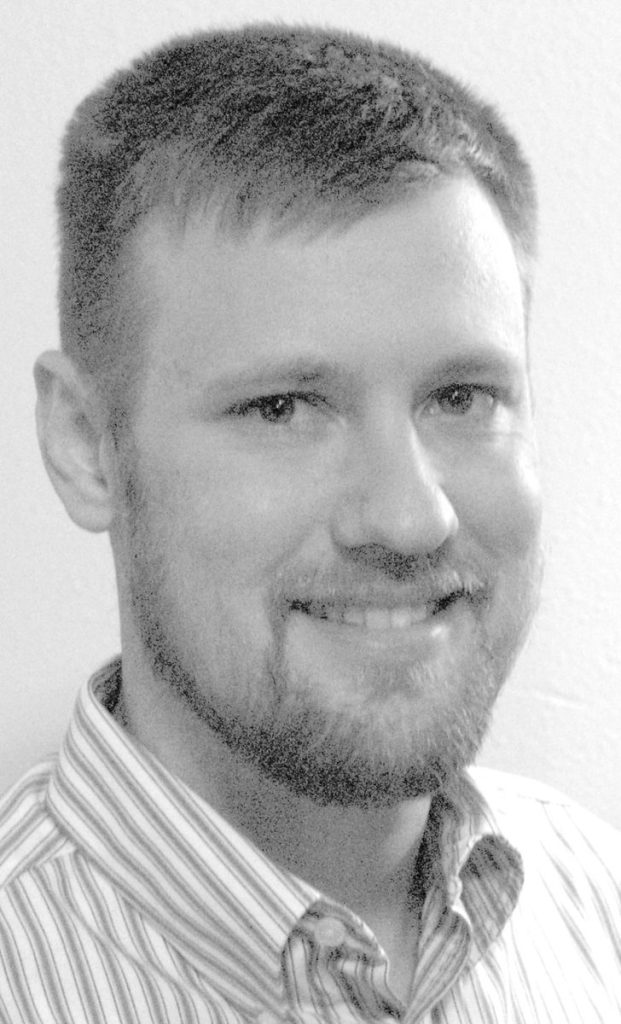
Matt Pearl
Sometimes when you see something enough times in picture books, or on the television screen, the real thing loses a bit of its excitement and appeal. That has been my frequent experience anyway.
On my family’s recent trip to South Dakota, however, the two most famous monuments in The Mount Rushmore State — Mount Rushmore itself, along with the perpetually in-progress Crazy Horse site — each exceeded my expectations. No pictures, moving or still, could do justice to either.
During the return drive to northwest Missouri, it dawned on me how different the histories are between the two breathtaking attractions.
Rushmore, of course, has been completed for many years, and from start to end took fewer than 15 years. It is a depiction of Presidents George Washington, Thomas Jefferson, Theodore Roosevelt and Abraham Lincoln.
Washington represents the courage of the American revolutionaries, men of great foresight and genius who pioneered the American system of government.
Jefferson authorized the Louisiana Purchase in the opening years of the 19th century, and thus represents American expansion and growth.
Lincoln worked tirelessly to preserve the union of the states during his presidency, adopting as sacred the task of preserving the United States after the land was divided by our Civil War.
Roosevelt took the reins as an early progressive, embodying the 20th century American ideals of its citizens sharing equally in the great economic and global growth of the industrial era.
Mount Rushmore has always possessed the full financial backing of the U.S. Government, and is operated by the U.S. National Park Service.
The Crazy Horse Memorial has a far different story, a contrasting tale of American history being its inspiration.
Crazy Horse, the Oglala Lakota warrior who is the namesake of the monument (no photo or artwork exists to determine his precise profile), lived his brief life in defense of his people — refusing time and again to entreat with the white man, believing him to be a liar in his dealings with the Native Americans.
Construction began in 1948, and to date, the monument is little more than a face, with very little of the body of the noted leader having been completed. But the catch is that the Ziolkowski family, which retain the vision of their father, Korczak and continue to work in finishing the site, refuse to accept government money to complete the project.
It is privately funded through money made at the attraction, its museum, gift shop and other offerings.
This is a labor that may surpass a century in the making, spanning generations of workers toiling toward the finish of the monument.
What do these contrasting monuments have to teach us?
Mount Rushmore stands completed, not only a memorial to four great presidents, but as a testimony to government taking on ambitious projects and finishing them.
Crazy Horse will be many years in its completion, but when it is finished, it will stand as one of mankind’s most awesome private endeavors.
Which way is right? I say to each its own. Americans continue to look to our nation to demonstrate our ability to do wonderful things. But individual ambitions drive some of our greatest legends.



