MU Extension marks century of excellence
SUBMITTED PHOTO
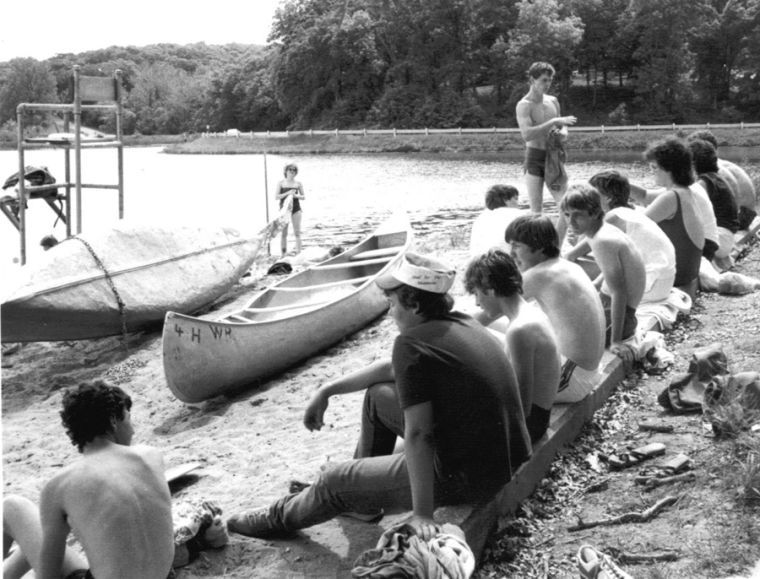
Nodaway County 4-H members attend 4-H Camp in Trenton. The Nodaway County Extension staff houses years of old photos, like this one, in albums and on display at their office in the Nodaway County Administration Building.
This year marks the 100-year anniversary of the Smith-Lever Act of 1914, which established the Cooperative Agricultural Extension Service. This also means that the University of Missouri Extension is celebration its 100-year anniversary.
“In 2014, we celebrate our past by looking back on extension’s record of service and educational outreach,” said Randa Doty, county program director for the Nodaway County Extension Office. “We look forward to building upon those successes to continue improving the lives of Missourians over the next 100 years.”
A Special celebration
County extension offices across Missouri are celebrating the anniversary in their local communities. Doty said that her staff’s efforts are focused on the Nodaway County Fair and National 4-H Week.
“We had displays of photos throughout the year at the livestock show, and we also served 13.5 gallons of ice cream at the 4-H/FFA livestock auction,” she said. “We also walked in the fair parade and handed out cups.”
The Nodaway County Extension also hosted a food and supply drive in partnership with the Nodaway County Ministry Center.
“We gathered about 92 pounds of food, supplies and diapers,” Doty said. “They were very appreciative, and this is something that we could do every year now, not just as part of the anniversary celebration.”
They’re also planning another celebratory event in early October.
“After the state fair is over, we’ll work with 4-H to put an open house or other event together during 4-H Week, which is Oct. 5-11,” she said.
A Century of history
When passed in 1914, the Smith-Lever Act allowed people from across the state to benefit from the knowledge of Missouri’s land-grant universities.
Since that time, MU Extension has partnered with Missourians to convey research-based knowledge such with the goal of improving lives and communities throughout the state.
In its beginning years, extension workers demonstrated how to improve the yield and quality of agricultural products and how to benefit from better nutrition.
Joe Powell, DVM and owner of Nodaway Vet Clinic in Maryville, has been actively involved with the county extension program for decades. He worked closely with extension programs during his time in veterinary school at the University of Missouri.
“They have provided an educational service for our area farmers,” Powell said. “When we first started it was farmers, but they’re the leaders for new and different ideas for farming.
“I just knew this was something I’d like to be a part of. They’ve always been part of our team. We have the same goals and are working for the same purpose.”
Throughout his years, Powell has served as a program speaker on livestock topics, provided facilities for winter calf weigh-ins, lined up locations and speakers for tours, and according to him, really whatever else they needed.
But in return, extension has always been a supportive booster back to Nodaway County agriculture.
“The Nodaway County Extension actually started the Gold Tag Program, which preconditioned and vaccinated calves,” Powell said. “It’s a marketing deal, basically. The producer gets more for the calf and the buyer has less expense. Extension was always a big advocate of the program, and a lot of others.”
Powell said he’s seen a lot change over the years. The most obvious is that, in the program’s early days, each county had one agent that had to be an expert on everything. In mid 1960s, counties moved to having different specialists. And since that time, specialists cover more than one county.
But, in Powell’s opinion, there’s always been one driving force.
“Agriculture has been the No. 1 thing that has held extension together, even though they’ve branched out,” he said. “That’s what they build their other programs on.”
Branching beyond production
As communities developed in urban areas over time, MU Extension’s programs evolved to address new challenges.
Today, extension programs include after-school youth leadership curriculums in federal housing developments, as well as food and nutrition education for those with limited resources. Since 1960, MU Extension has offered continuing education programs in fire and rescue, law enforcement and nursing.
“MU Extension connects communities with the resources of the University of Missouri to provide access to practical education and research that will help people solve problems, develop skills and build a better future,” Doty said.
The staff at the Nodaway County Extension offers a wide range of services including, but not limited to livestock, 4-H, gardening, agribusiness management, house rental and purchase, risk management, nutrition and so on.
“People know we’re related to 4-H and farming, but many may not realize the health and other aspects of extension work,” she said.
Rita Miller, community relations and development manager at St. Francis Hospital and Health Services, and longtime Extension board member, has witnessed those “other aspects of extension work” come into play.
“The programs they’ve been involved with through schools and in the communities have enlightened a lot of folks about the services extension has available,” Miller said. “They’ve shown that they can get local education right here at home.”
She originally got involved because she wanted to share her health and business expertise in new ways with the community, in addition to her work with the hospital.
“They’ve opened their programs up to more diverse expertise and audiences,” Miller said. “It’s not only farming. It’s really there to help people grow lifelong learning habits and opportunities that will improve their quality of life.”
As Extension programs continue to evolve, 100 years of history serve as proof that their programs impact communities.
“While we celebrate our past in 2014, we also look ahead to the next 100 years” Doty said. “We will challenge ourselves to design programs that will continue to transform lives, communities and economies.”
SUBMITTED PHOTO
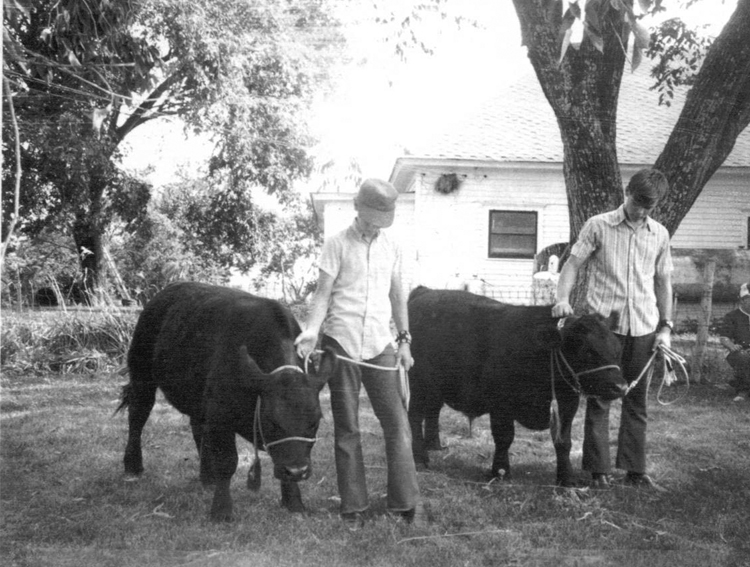
Ronnie and Donnie Pedersen, sons of Gerald Pedersen, show their 4-H calves taken on the club tour. They were part of the Guilford 4-H Club.
SUBMITTED PHOTO
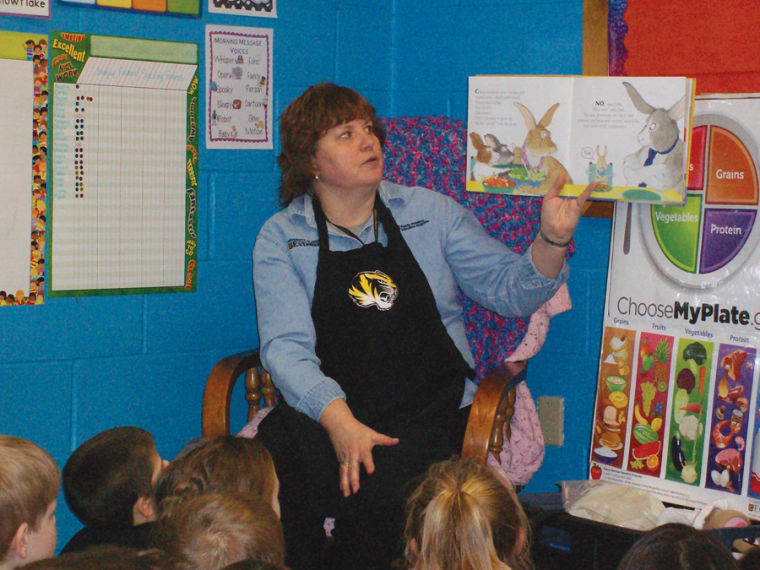
Sue Robison, Nutrition Program Associate for the University of Missouri Extension/Family Nutrition Program, teaches a group of kindergartners about eating a variety of vegetables from MyPlate by reading a book about rabbits and the types of vegetables rabbits eat.
SUBMITTED PHOTO
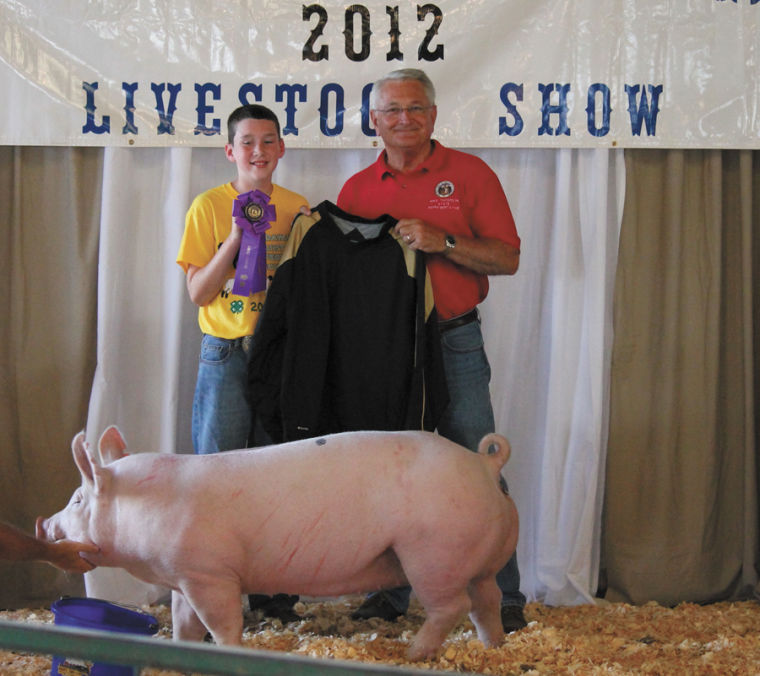
State Representative Mike Thompson awards Cooper Nally with the champion breeding gilt at the 2012 Nodaway County Fair livestock show.

GRAPHIC CREATED BY GARY DARLING
100 years of MU Extension: Then and Now