
Pearls: Lessons of the Holocaust
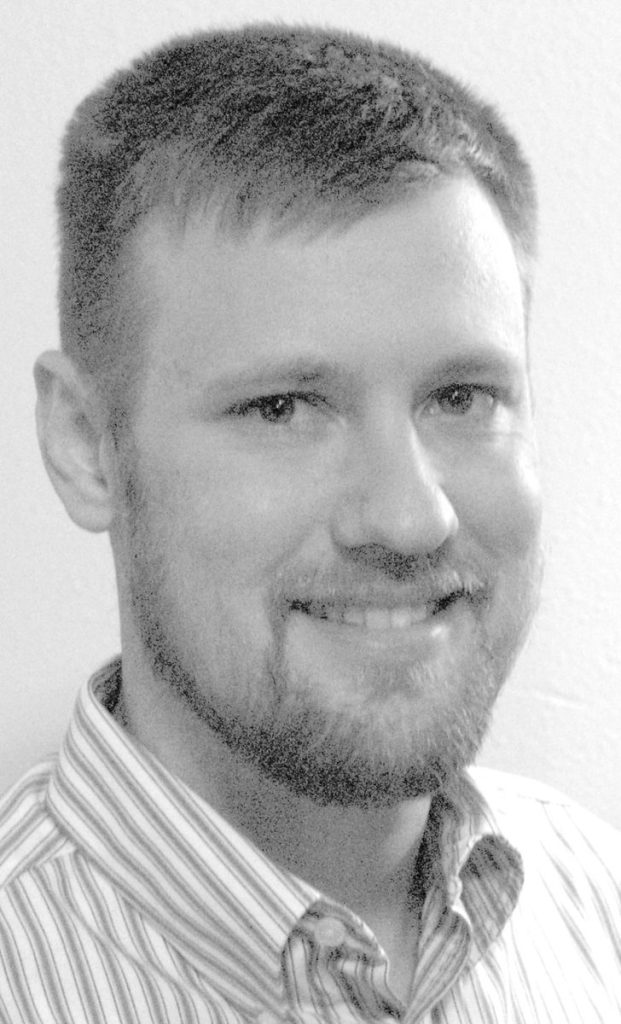
Matt Pearl
It’s been standard reading for high-school classes for many years now, but lessons abound in the novel Night, the firsthand account of the Holocaust by a survivor, written by the late Elie Wiesel.
I taught the book this semester to a class of contemporary literature students. It is beautifully written, but the tale is comprised of a long stream of human horrors. I wondered at times if my students would have the fortitude to read the entire thing.
I underestimated them.
You see, students know the difference between the painful but genuine account that Night presents and the shock-factor gore that appears in movies and certain books today; it is the same as the difference between a catastrophe and a nightmare – the reality of the former makes it infinitely worse.
And I am sure that many fine teachers and schools have made the decision to leave out of their curricula books dealing with difficult historical issues – the Holocaust, slavery, etc. – that might cause discomfort or offense to young readers. It’s a real problem: kids have feelings, and some have experiences that make them overly sensitive to certain uncomfortable issues.
But there also lines within the pages of Night and other such accounts a vitally important quality: truth. As long as we study the Holocaust, then it happened. What will we do in the next few decades, when all humans who were living during the Second World War are gone? Can we allow the story of the genocidal deaths of over 6 million Jews (part of a 10-million-person total extermination conducted by the Nazi regime) to disappear? Would we be fulfilling our responsibilities toward the people and the generations past if we made history more reader-friendly, leaving out the atrocities committed by our race?
Indeed, we must continue to examine the lessons of the Holocaust; we do not study such a horrific event to be entertained or comforted: we do so because we never want such a thing to happen again on our watch.
If any of my readers believe all of the evil and injustice has been driven from the world, and that no individual or group would ever entertain the notion of genocide again, then I fear I have a bone to pick with that reader. As long as hate, jealousy, self-superiority and human vanity continue to live in the minds of people, then the potential for evil to be done continues.
It is the nature of a person to believe he or she is on the right side of things – arguments, wars, crimes: it doesn’t matter. When an individual envisions himself the lone savior of all of the “good” people just like him, then the door is open for terrible deeds to be done.
Ideas are valuable. If an individual only has one of them, however, and obsessively fixates upon that singular notion, then there is also potential for wrongdoing.
As painful as it is to put my students through the practice of reading a death-filled, hopeless-sounding Holocaust account, it’s more agonizing for me to imagine sending them out in the world believing that human hatred only exists in fictional movies or scary old stories. What a disservice we do for our young people by participating in their youthfully false illusions of life.
I know some of them go home and think about it, and it bothers them. It should bother them. It’s a dark chapter in modern history, one of the darkest. But the light of truth reveals how black that darkness truly is; and for that reason, we must endeavor to use information and honesty as weapons against ignorance.
The hate of the 1930s and 1940s that allowed the Holocaust to happen were fueled by the bitter ignorance of an uninformed population. On my watch, our kids won’t have ignorance of the Nazi atrocity as an excuse for allowing another similar disaster.
Matt Pearl owns and operates newspapers in King City, Albany and Grant City.



