
Capitol Report: Legalizing medical marijuana on the ballot
Capitol Report: Legalizing medical marijuana on the ballot
On the November 6 ballot, Missourians will have the opportunity to decide on three initiatives dealing with medical marijuana. Where the proposals differ is in how medical marijuana would be regulated and taxed, and where the tax dollars would be allocated. But, before we begin to review each initiative I would like to give you some very brief facts from the State of Colorado. Colorado legalized marijuana for medical use in 2000 and later legalized recreational use of marijuana in 2012. (Actually, every state that has recreational marijuana began by legalizing medical marijuana first). Here is the data I recently gathered from the Colorado Crime Bureau of Investigation:
-Since 2013 violent crime in Colorado has risen 25 percent
-Aggravated assaults up 31 percent.
-Drug violations up 53 percent.
-Motor vehicle thefts up a whopping 73 percent.
-Marijuana-related traffic fatalities are up 151 percent.
And it all started with legalizing medical marijuana. Now, please understand…it is not that I am firmly against medicinal marijuana for very specific cases. I just believe strongly that it must be administered and regulated safely by the FDA (Food & Drug Administration) and sold exclusively through our network of pharmacies…not a local “dispensary” on the corner. It is very unsettling that in Colorado today, Youth marijuana use is 85 percent higher than the national average. Marketers advertise super high potency gummi candies to youth who are more vulnerable to addiction. The vast amount of industry profits come from heavy and addicted users. Our Missouri legislature receives weekly reports about the devastation that has been realized in Colorado. If we choose to legalize medicinal marijuana…let’s do it the right way by allowing the FDA to provide regulatory oversight while the drug is sold through our pharmaceutical network.
Here are the ballot measures:
Amendment 2 would change the state constitution to tax marijuana at 4 percent and allocate the $18 million in annual taxes and fees to veterans programs. The measure would cost the state $7 million in annual operating costs. It would also generate $6 million annually for local governments. The proposal would give regulatory authority for licensing the cultivation, testing and sale of marijuana to the Department of Health and Senior Services. The state would be responsible for a “seed-to-sale tracking system” to ensure marijuana only goes to qualified patients.
Amendment 3 would change the state constitution to tax marijuana at 15 percent and generate approximately $66 million annually in state revenue. The funds would be used to establish a state-run institute to research cures for incurable diseases. The proposal has an annual operating cost of approximately $500,000. It would impose fees on licenses and tax the cultivation of medical marijuana.
Proposition C would change state law to tax marijuana at 2 percent and generate annual revenues of at least $10 million to the state and $152,000 to local governments. The funds would be used for services for veterans, drug treatment, early childhood education and public safety in cities where medical marijuana facilities are located. The proposal would have an initial cost of $2.6 million and then an annual cost of $10 million. Oversight of medical marijuana would be placed in the hands of the Department of Health and Senior Services and the Department of Public Safety.
Proponents say medical marijuana is less addictive than opioids and overuse will not lead to death. They say the measure would give patients with debilitating conditions the opportunity to work with a doctor to obtain the most appropriate medical treatment option. They point out that 30 states have already legalized marijuana, either recreational or medical. Opponents say legalizing marijuana for medical use would allow more people to access it illegally. They also note that cannabis would remain illegal at the federal level where it is classified as a Schedule I controlled substance alongside heroin and many synthetic opioids. They say it should be up to the FDA to determine if marijuana is medicine.
If all three measures were approved by voters, the Secretary of State’s Office says the constitutional amendments would trump state law, and whichever amendment received the most votes would overrule the other.
As always, it is an honor to serve you.
Allen Andrews, State Representative – District 1, Missouri State Capitol, 201 West Capitol Avenue, Jefferson City, MO 65101. Telephone: 573-751-9465 [email protected]
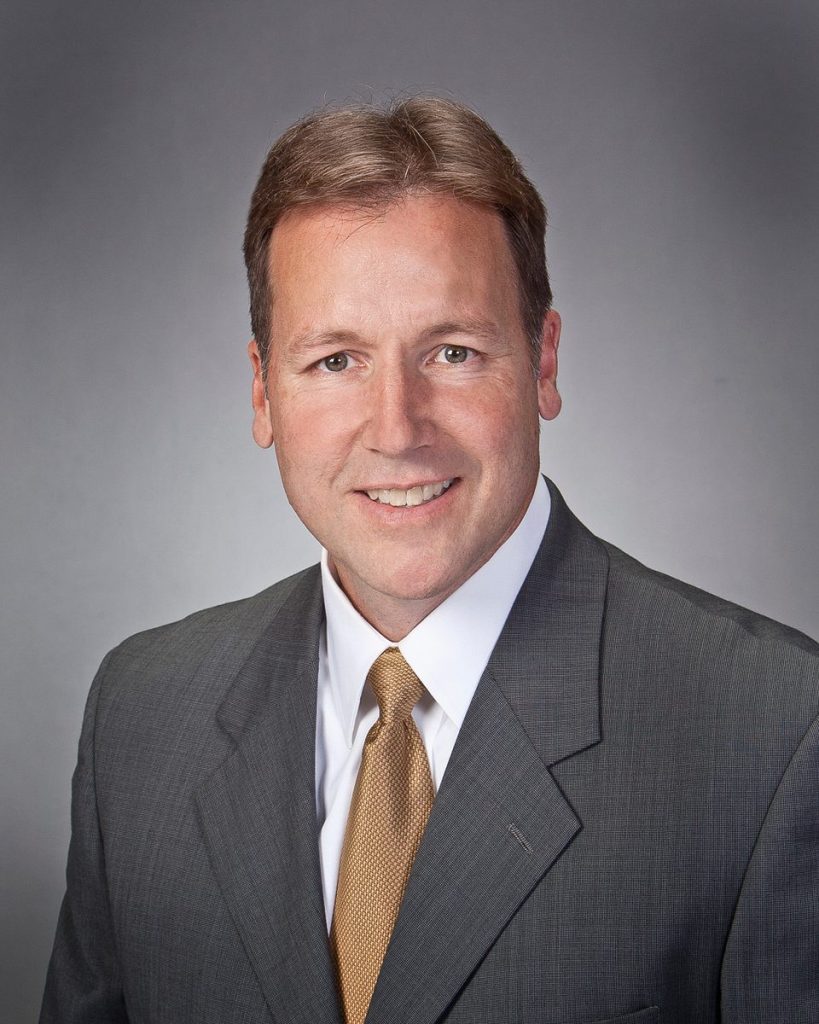
Allen Andrews is the First District State Representative.



