
American Countryside: Inside Biosphere 2
American Countryside: Inside Biosphere 2
In the late 1980s researchers were looking to build a large, sealed environment where they could study the interactions of the planet’s ecosystems. Over $200 million of private funds were raised and a huge glass structure called Biosphere 2 began to rise from the desert around Oracle, Arizona.
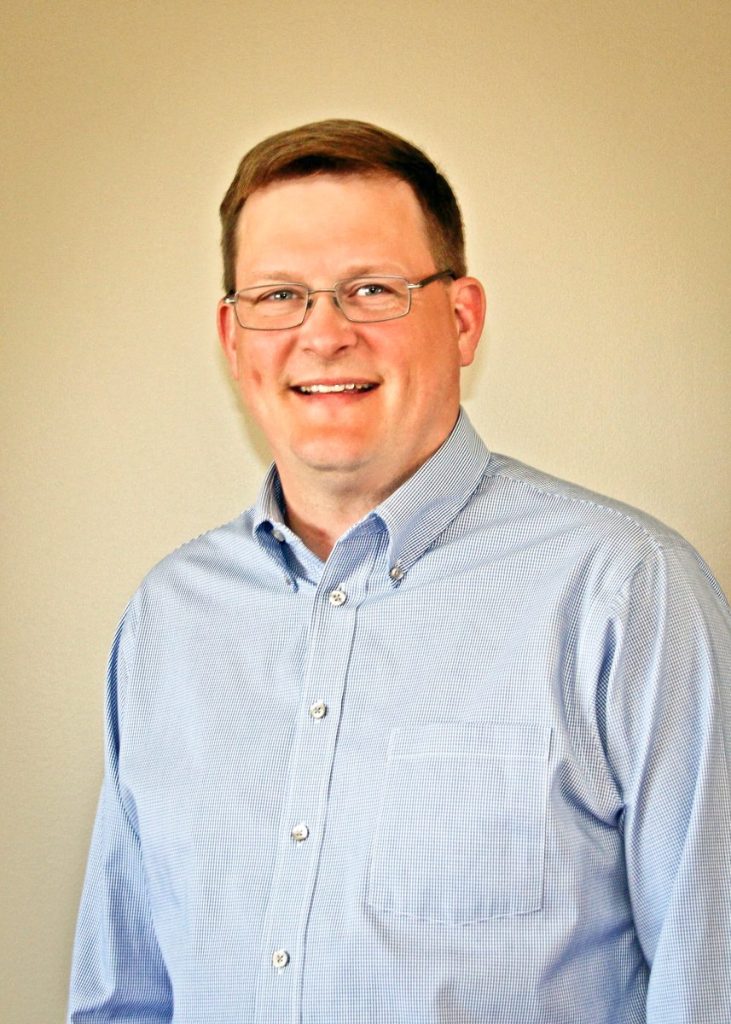
“Eight people were sealed inside in September of 1991,” explains John Adams, the deputy director of the facility. “They successfully stayed inside for two years, but they had some challenges.”
The crew was supposed to receive no outside resources, proving the ability to survive in a place similar to an outer space colony. However, the respiration of microorganisms in the soil outpaced plant photosynthesis, creating a decline in the amount of oxygen within Biosphere 2.
“Oxygen got down to 14.2 percent and CO2 continued to rise,” says Adams. Supplemental oxygen was pumped into Biosphere 2 so the crew could continue living there.
Today the facility is operated by the University of Arizona. Adams says that initial experiment though should not be viewed as a failure. “Probably the most significant lesson in my opinion is how little we truly understand about earth systems and how they are interrelated,” explains Adams.
There are over three acres under the glass roofs. Biosphere 2 was so tightly built that it loses less air than the international space station. Such a facility had great value to the scientific community. Research on the Earth’s biomes could be conducted at an unprecedented scale due to the sheer size of the place.
One major long-term experiment now being conducted is the Landscape Evolution Observatory, or LEO. It is comprised of three massive slopes of volcanic material. The raised beds of soil are on sloping platforms. The amount of water applied to the surface can be measured as well as the volume of water that penetrates the surface.
Adams explains, “Now we are looking at how that system changes and answering that fundamental question, ‘When it rains in the mountains how much ends up downstream for you and I to use and how is that quality impacted?’”
Other studies have shown the limits of rainforests to absorb carbon. Scientists have also demonstrated how rising levels of CO2 in oceans affect pH and in turn can harm coral reefs.
Although Biosphere 2 was constructed in the late 80s and early 90s, it remains an important and unique laboratory and it’s open to visitors. Adams is often asked, “What happened to Biosphere 1?” Biosphere “1” is the Earth itself. Biosphere 2 was constructed to better understand Earth’s systems.
“For many of us we never have that opportunity to walk down the hallways of a university or an agricultural research center,” says Adams. Here you can do that, and you can see firsthand what we are doing and the relevancy to your everyday life.”
Andrew McCrea travels the countryside as host of the radio and tv feature, “American Countryside.” Follow his journeys at AmericanCountryside.com and by following the show on Facebook. Reprinted with permission from Farm Journal.



