Rickman offers Nodaway County railroad history
Skye Pournazari
4-19-18 rickmantrain1.jpg
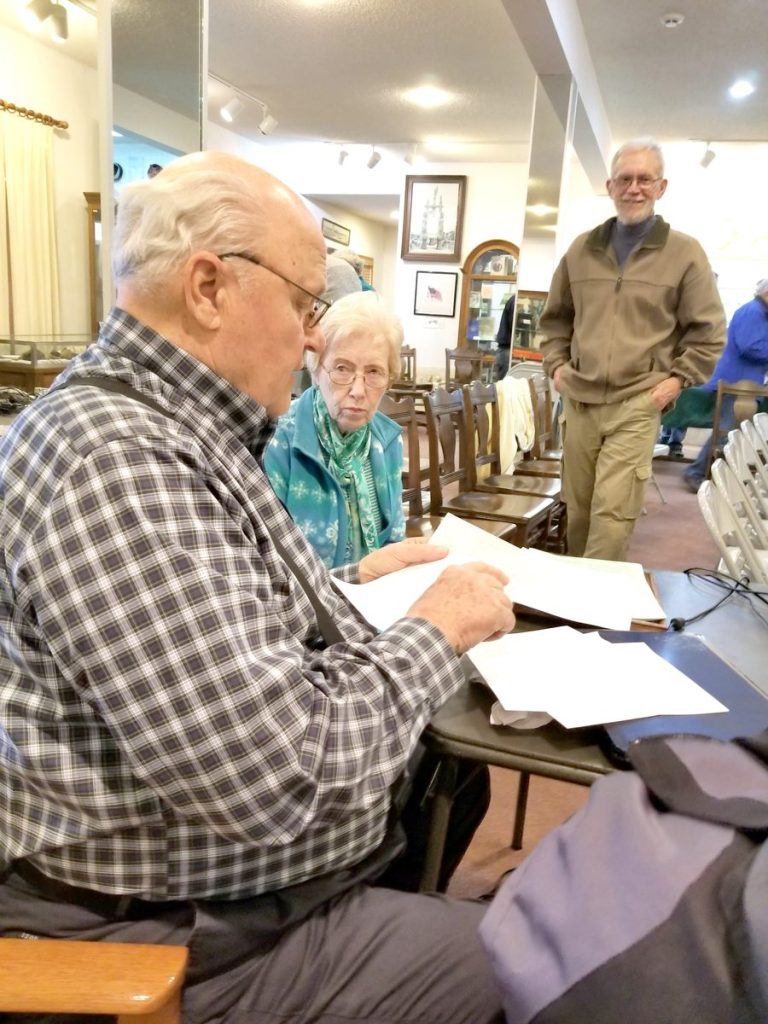
MARYVILLE, Mo. — Jon Rickman, former VP of information systems at Northwest Missouri State University and train enthusiast offered a look into the history of trains in Nodaway County on Saturday afternoon at the Nodaway County Historical Society Museum.
He told the packed room about how his interest in trains really began. A young Rickman working as a consultant in New York City found a model train store on 47th Street with deals he couldn’t resist and thus he began collecting model trains.
“I didn’t have trains as a kid, but my neighbor did and I loved his trains,” he said.
He said his collection has pretty much taken over his basement now.
“My wife’s pretty much given up on that,” he joked.
Railroads creating connections
Rickman said, the railroad actually created towns.
“It wasn’t a town until the railroad actually bought or got the right of ways,” he said. “Some towns were only the depot.” Towns thrived by a railroad, he said and, at the time, the law of the land was that a town really thrived if it was near a junction.
Rickman then explained a timeline of events starting with the Stevenson Rocket built in 1829 in York, England, which he said he has seen and is beautiful.
In 1848, things started changing he said.
“They found gold in California,” he said. “Now there is an impetus for a lot of change.”
Rickman said he looked at a map of Nodaway County from that time and there were no towns listed. He said Maryville was incorporated in 1845, so why wasn’t it on the map, he asked?
He said they were considered settlements at first and it wasn’t until the railroad wound its way through the countryside did they begin to show as towns on a map.
In 1852, he said the Santa Fe Railroad connected St. Louis and Kansas City.
This was about 10 years before Nodaway County was connected, Rickman said.
In 1859, the Hannibal-St. Joseph line was completed, he said.
“That was an important train line,” Rickman told the audience.
He said it had the first post office on a train and during the Civil War, General Ulysses S. Grant was assigned to guard that postal service. He said it didn’t work out very well and they stopped that service, due to what Rickman assumed must have been “Jesse James and some of his buddies kept stealing the mail. That was a historic railroad moment in the state.”
In 1869, the golden spike was driven connecting New York City with San Francisco. In that same year Rickman said the Hannibal bridge was built and that connected the St. Joseph-Hannibal line down to Kansas City.
“And that really changed what happened in this region,” Rickman said.
He said populations began to shift. At the time Kansas City had a population of 56,000, while St. Joseph’s population was 65,000.
“St. Joe was larger than Kansas City,” Rickman said. “Railroads make a difference.”
A line from Cameron down to Kansas City created a short cut making it the quickest route from Chicago down to Texas and Kansas City a much larger junction, he said.
“Towns really thrived near a junction,” Rickman said.
Railroads of Nodaway County
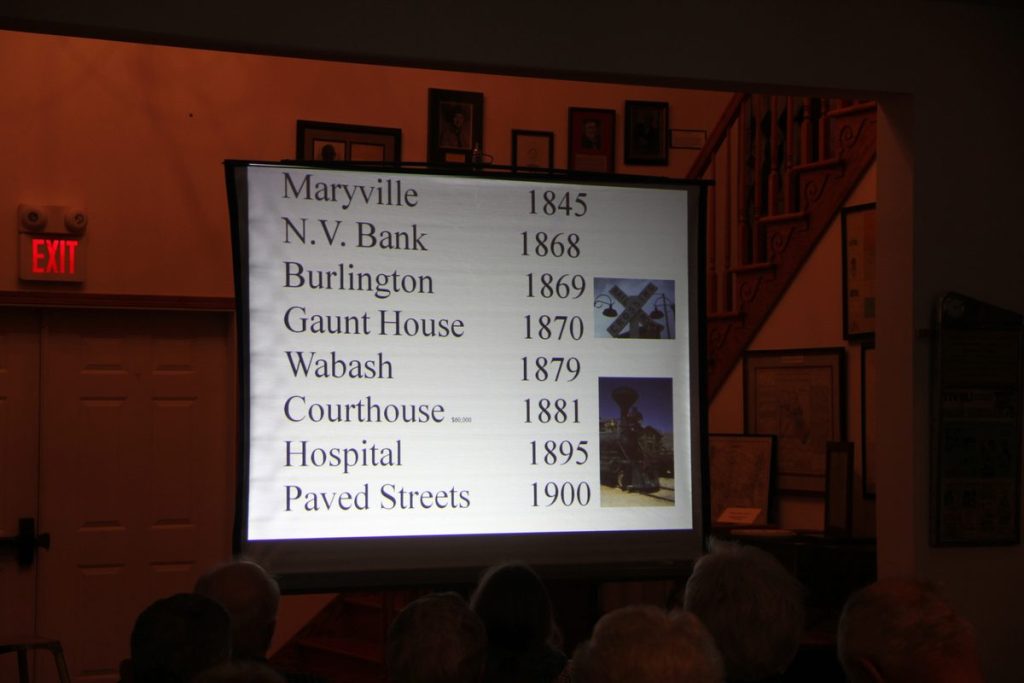
Rickman began by offering some important dates and events in Nodaway County. Maryville was named and founded in 1845. Nodaway Valley Bank’s original building was built in 1868.
What later became Burlington Junction, was founded in 1869. The Gaunt House was built in 1870 and the Wabash was created in 1879 nearly 10 years later, he said. The courthouse was completed in 1881 and the old hospital on First Street was completed in 1895.
“It’s really hard to imagine what it was like with no railroads and no roads,” Rickman said. “There were no roads and if there was a road there wasn’t any gravel. It was dirt, a path. We didn’t have paved streets until 1900. Downtown had to be a little messy.”
He said this gives an idea of all the changes that were taking place during this time.
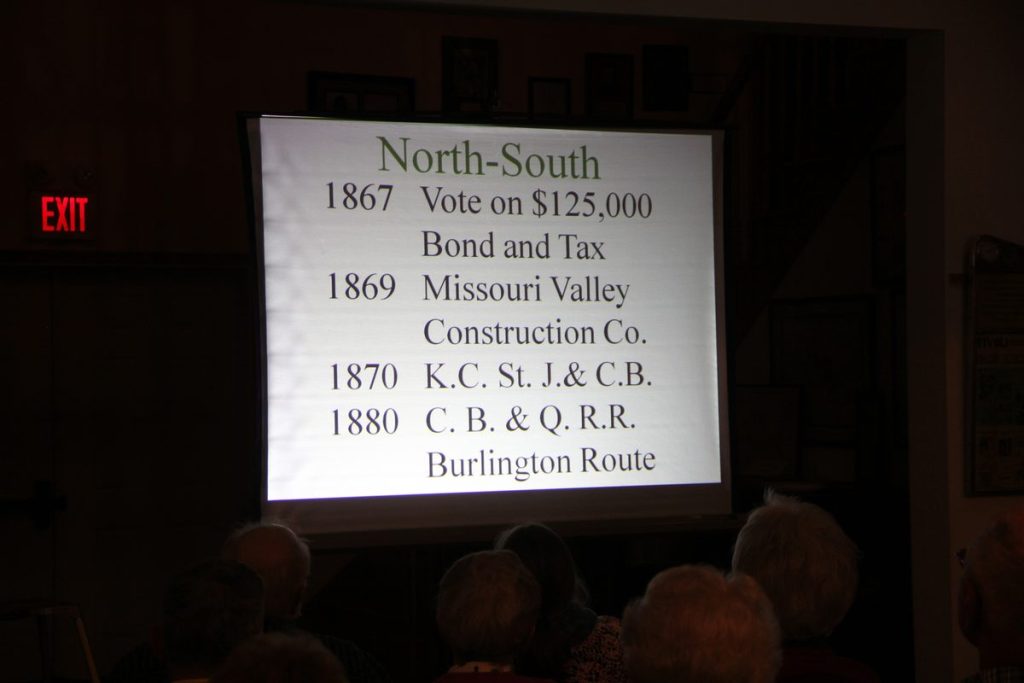
In 1867 voters passed a $125,000 bond and tax to help the railroad come to Maryville, Rickman explained.
“We were a town before the railroad got here unlike a lot of the smaller towns around in the county,” Rickman said.
He said it wasn’t until 1869 that Missouri Valley Construction Co. began construction of the North-South route. In 1870 that company became known as the Kansas City, St. Joseph and Council Bluffs Railroad. Ten years later it became the C.B. & Q. R.R., Chicago, Burlington & Quincy Railroad.
“It eventually became known as the Burlington Route,” Rickman said. “It eventually was bought out.”
He said it became very difficult to keep up with the name changes, but an additional factor made it even more of a chore keeping track of the names.
“The roads were named for their end points,” Rickman said. “A lot of them were just the end points. When the railroad moved or got a little bigger, the end points changed and the name of the railroad changed because the route changed.”
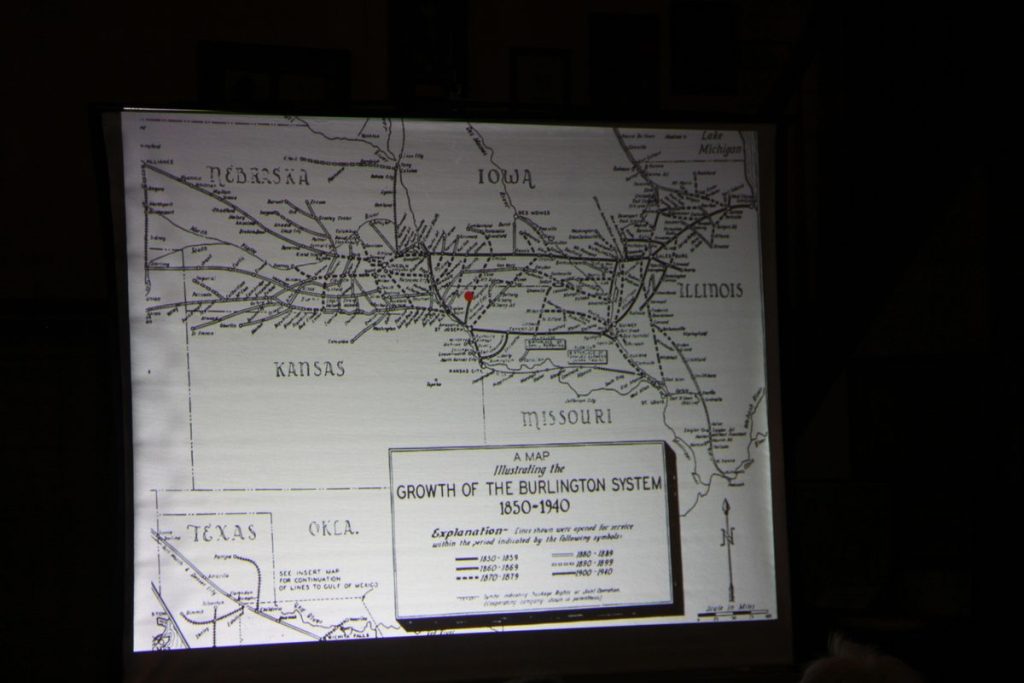
The Burlington Route went from Chicago to Omaha, he said, showing a map to the audience of the growth of the Burlington system from 1850 to 1940.
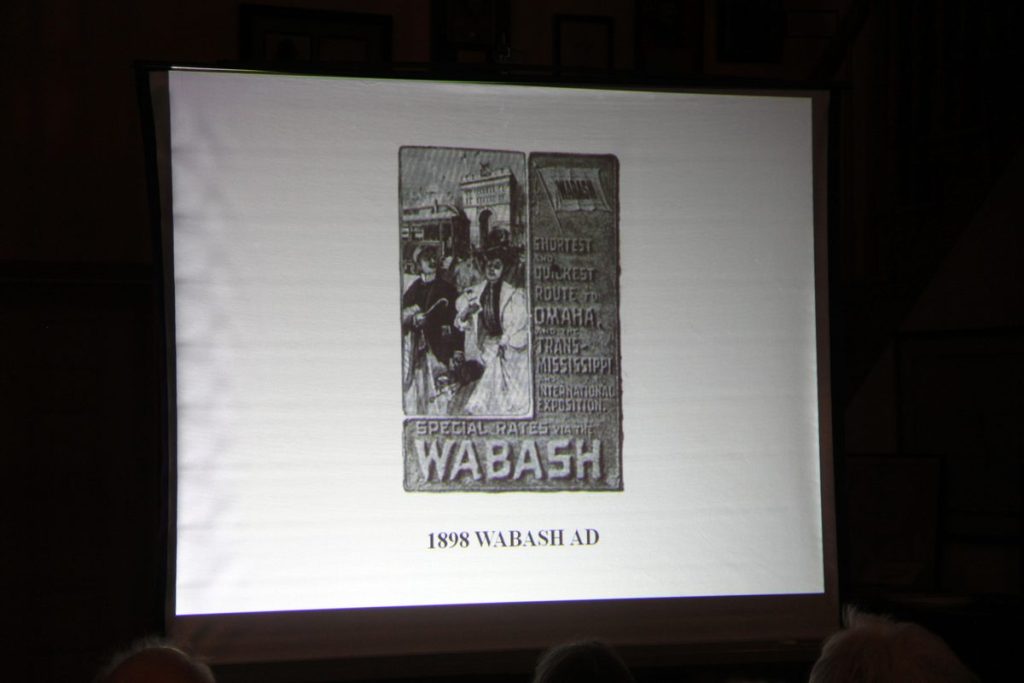
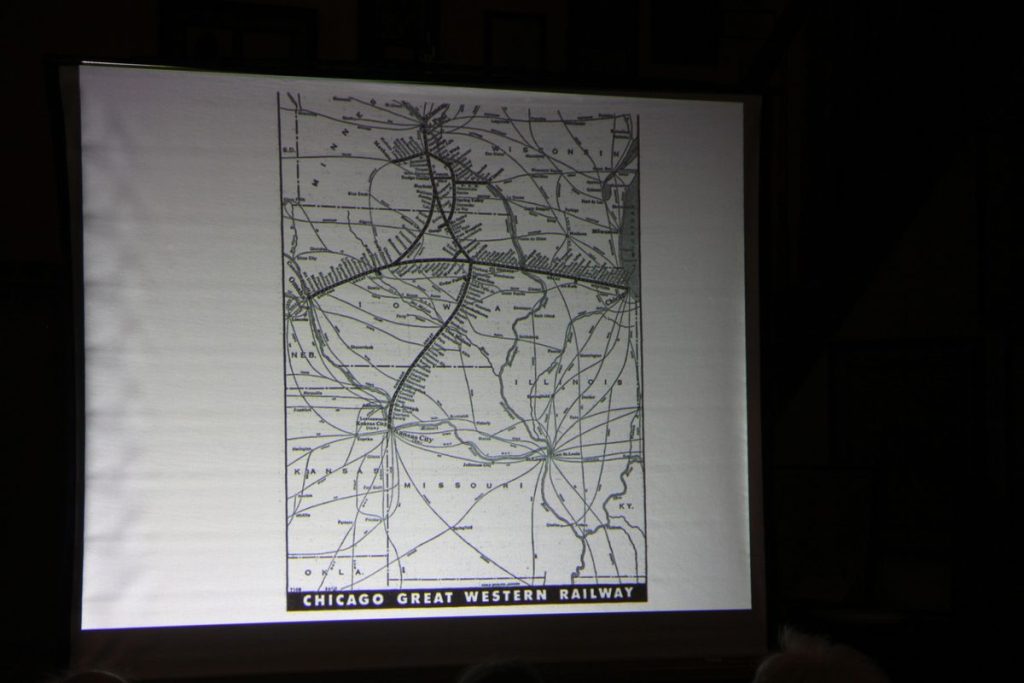
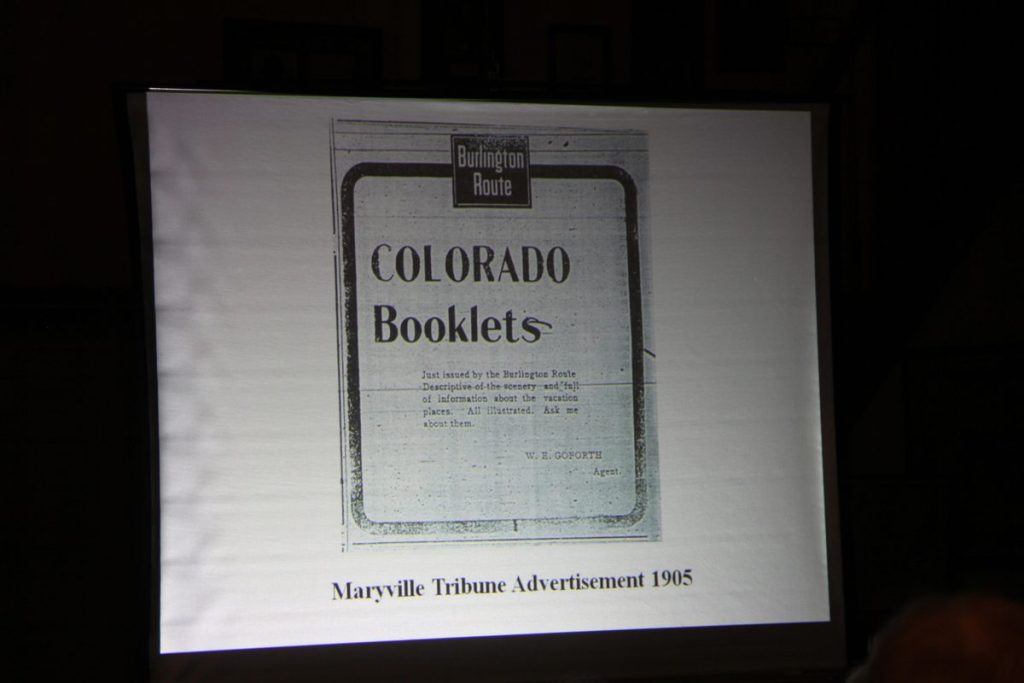
He continued showing old advertisements for the railroads and maps of other railroads including the Chicago Great Western Railway “The Corn Belt route,” Rickman said it was called.
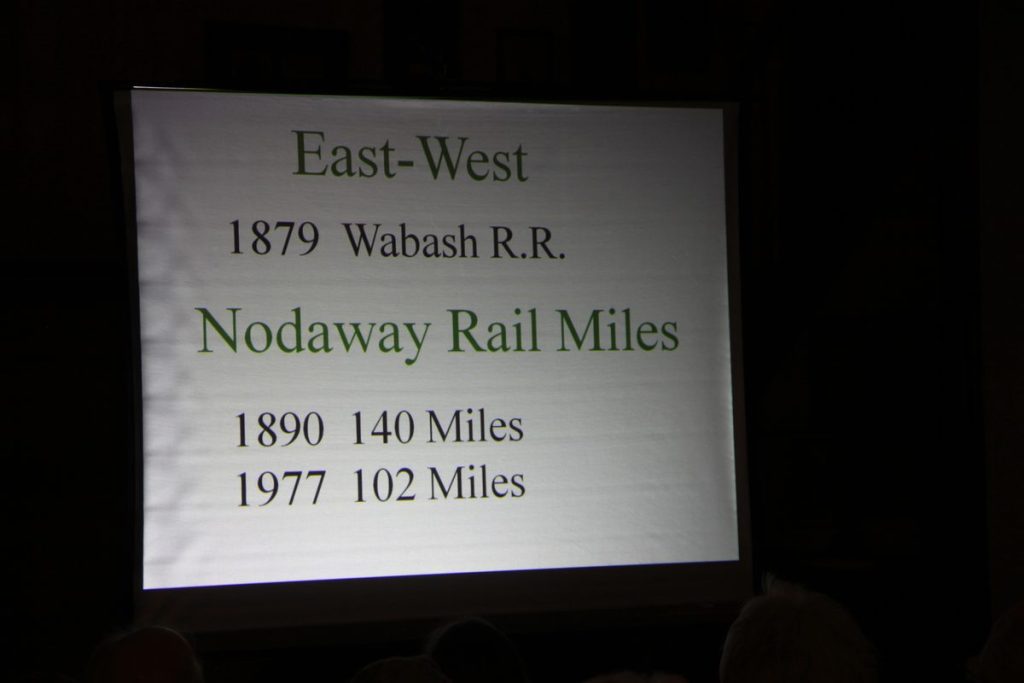
The Wabash Railroad was built in 1879 and Rickman told the audience that at the height of railroad building and use in 1890 Nodaway County, there were 140 miles of railway. By comparison in 1977, there were only 102 miles of railway.
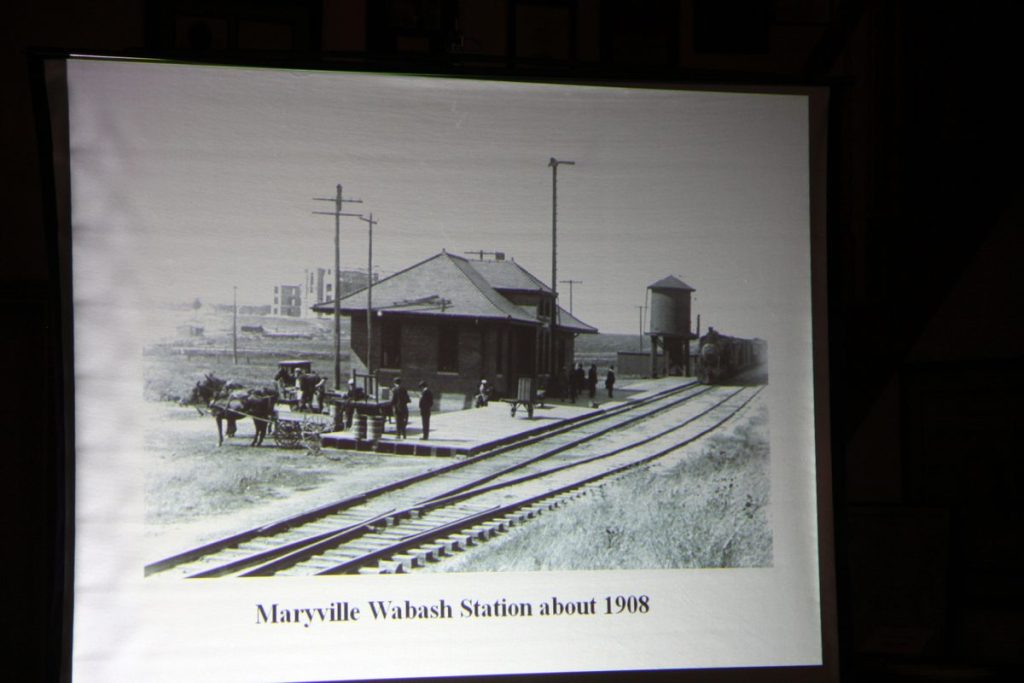
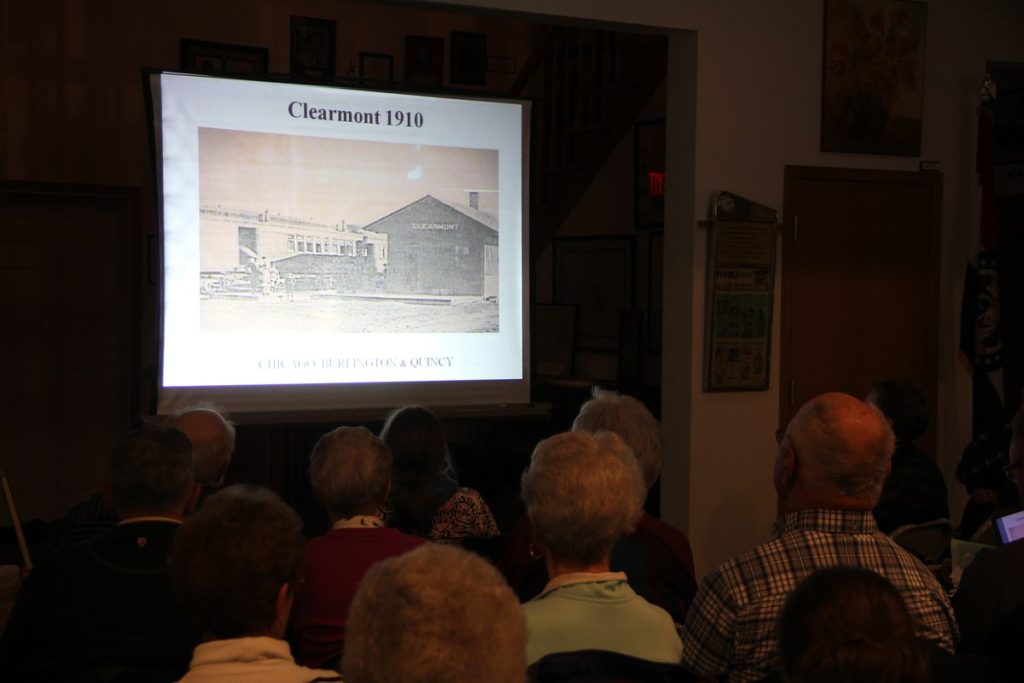
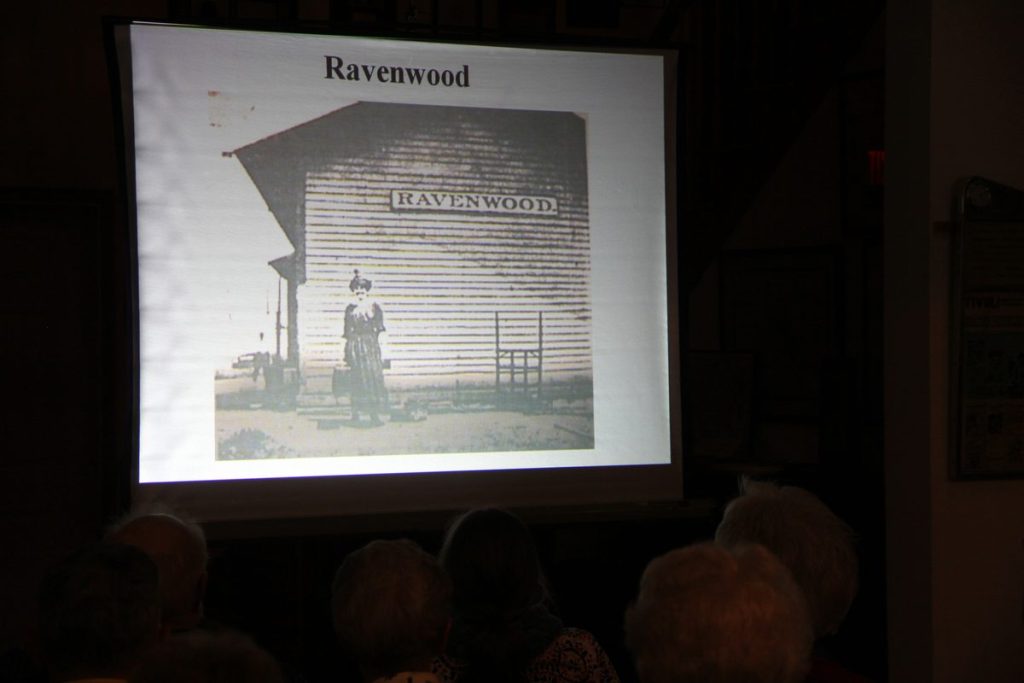
Showing slides of old photographs, Rickman talked about each of the county’s major railway stops and towns, including: Clearmont, Burlington Junction, Hopkins, Pickering, Ravenwood, Guilford and Barnard, named for the superintendent of the railroad at the time, which he believes is the only track and depot to still be maintained.
“The automobile really was the demise (of train use) in a lot of areas,” Rickman said. He then asked the audience to consider what the road system would be like if it had been handled like railroads were handled.
“I’d have to get a Ford car and I’d have to drive on a Ford road from Kansas City to St. Joe,” he said. “Then I’d have to get in a Chevy car and drive on a Chevy road to get up to Maryville and of course it would be on a one-lane road, so I could only go north from 1- to 2-o’clock, south 2 to 4.”
In closing Rickman said railroads changed the nature of Maryville.
“I don’t think there’s any question that we wouldn’t have a university without railroads,” he said. “It would have gone to Cameron probably, that was the other junction of railroads in this part of the state.”
Rickman then opened up discussion with the audience about his and their train travels, both in the United States and in Great Britain.
Skye Pournazari
Shown is a slide from Jon Rickman’s presentation on Railroads of Nodaway County held Saturday at the Nodaway County Historical Society Museum.
Skye Pournazari
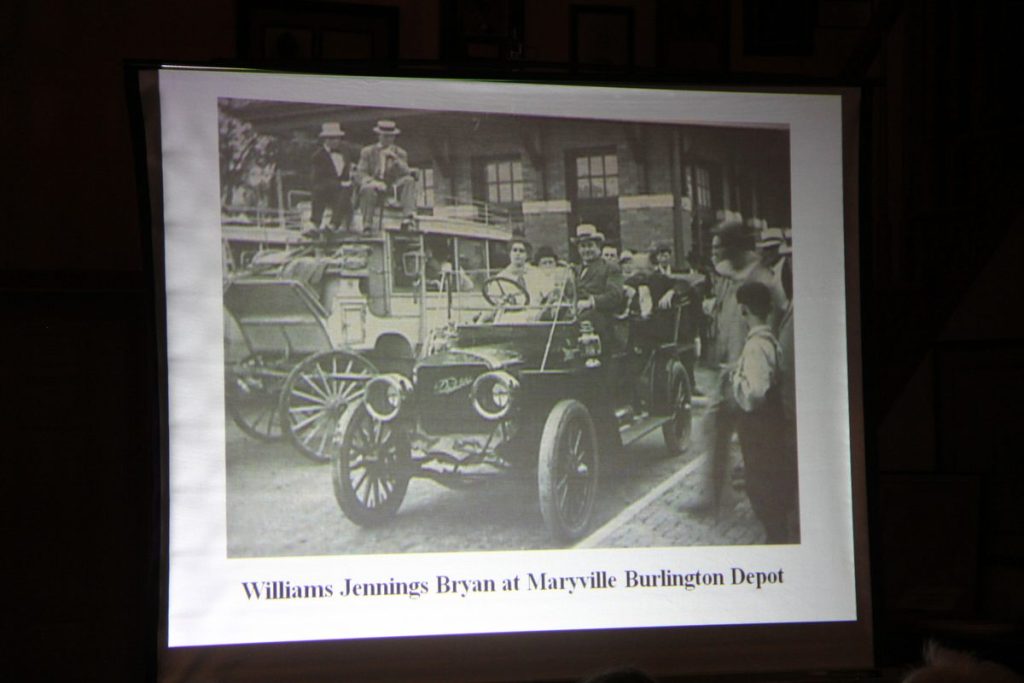
Shown is a slide from Jon Rickman’s presentation on Railroads of Nodaway County held Saturday at the Nodaway County Historical Society Museum.
Skye Pournazari
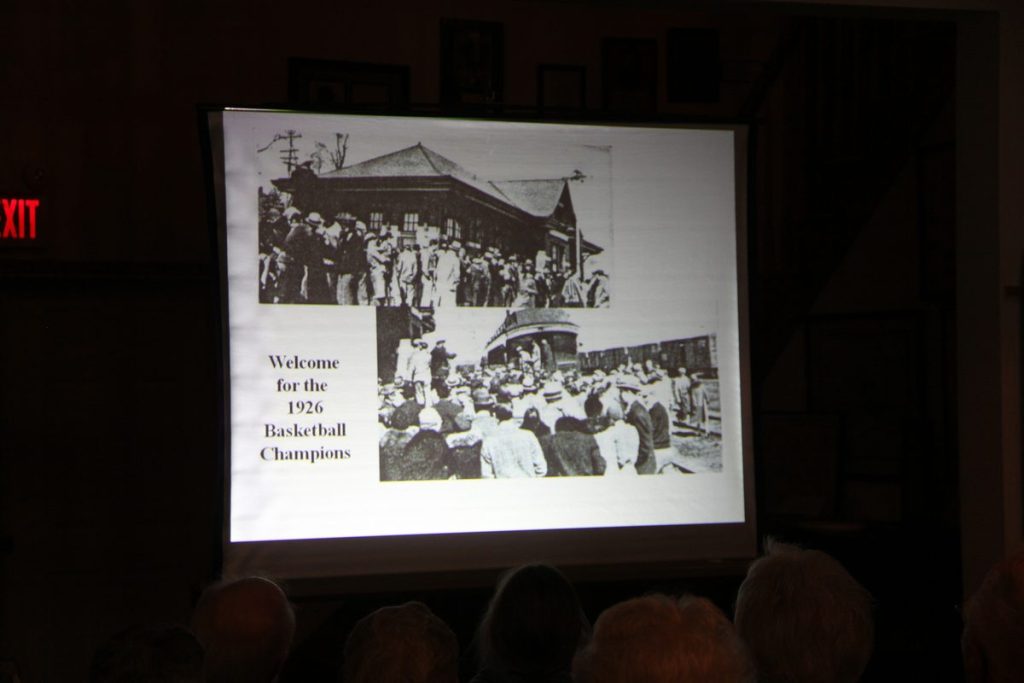
Shown is a slide from Jon Rickman’s presentation on Railroads of Nodaway County held Saturday at the Nodaway County Historical Society Museum.
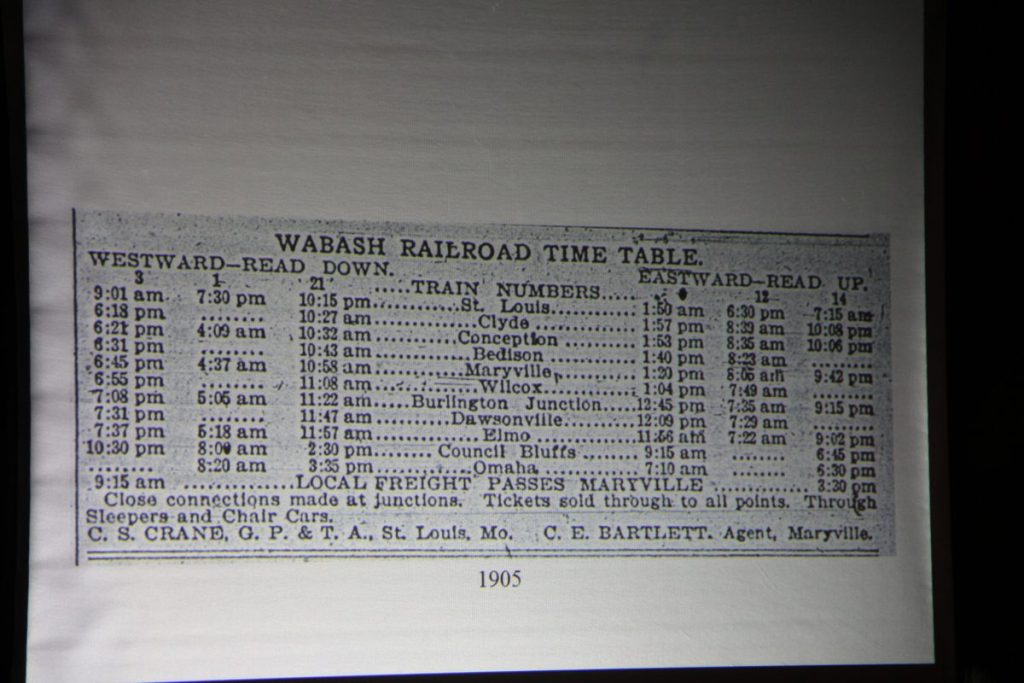
Skye Pournazari
Shown is a slide from Jon Rickman’s presentation on Railroads of Nodaway County held Saturday at the Nodaway County Historical Society Museum.
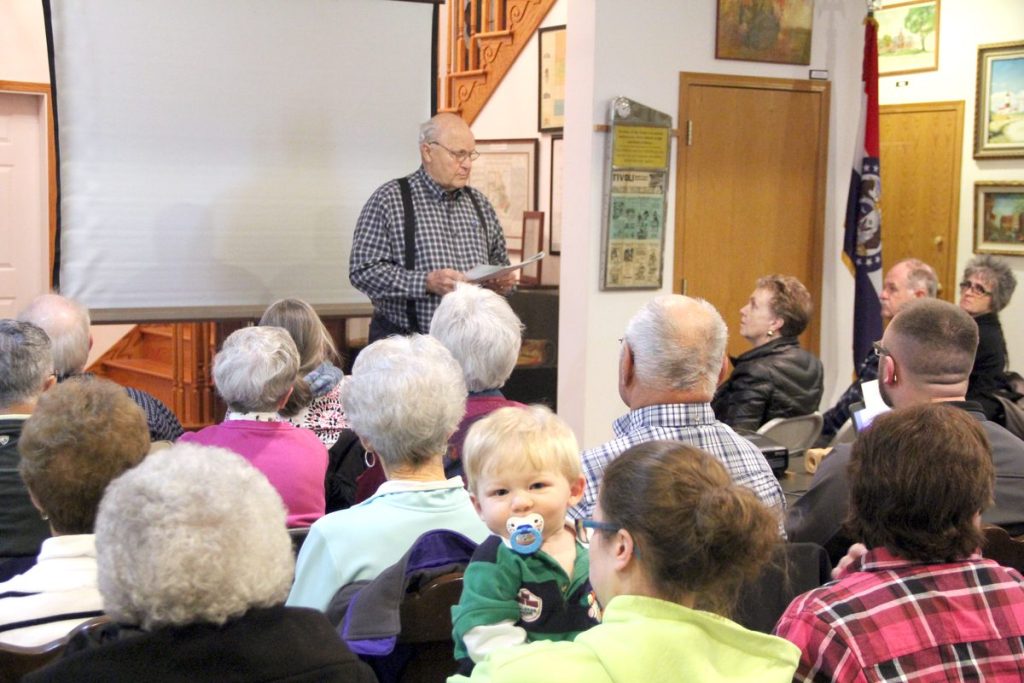
SKYE POURNAZARI/THE FORUM
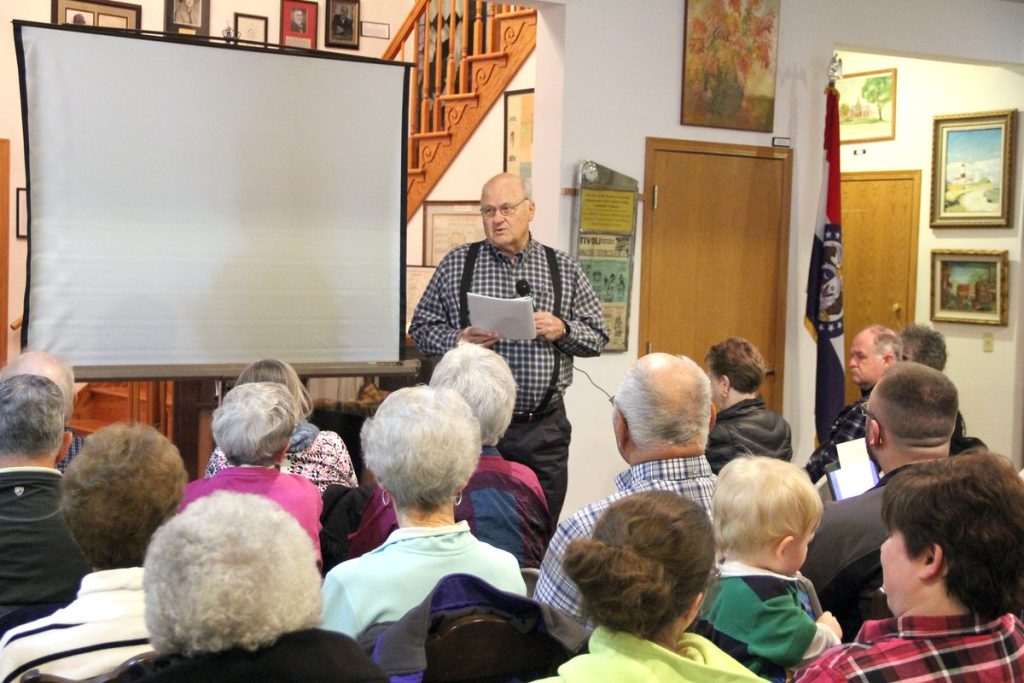
Jon Rickman speaks about the history of railroads in Nodaway County on Saturday at the Nodaway County Historical Society Museum. Most audience members were interested in the topic and many shared stories of their own.
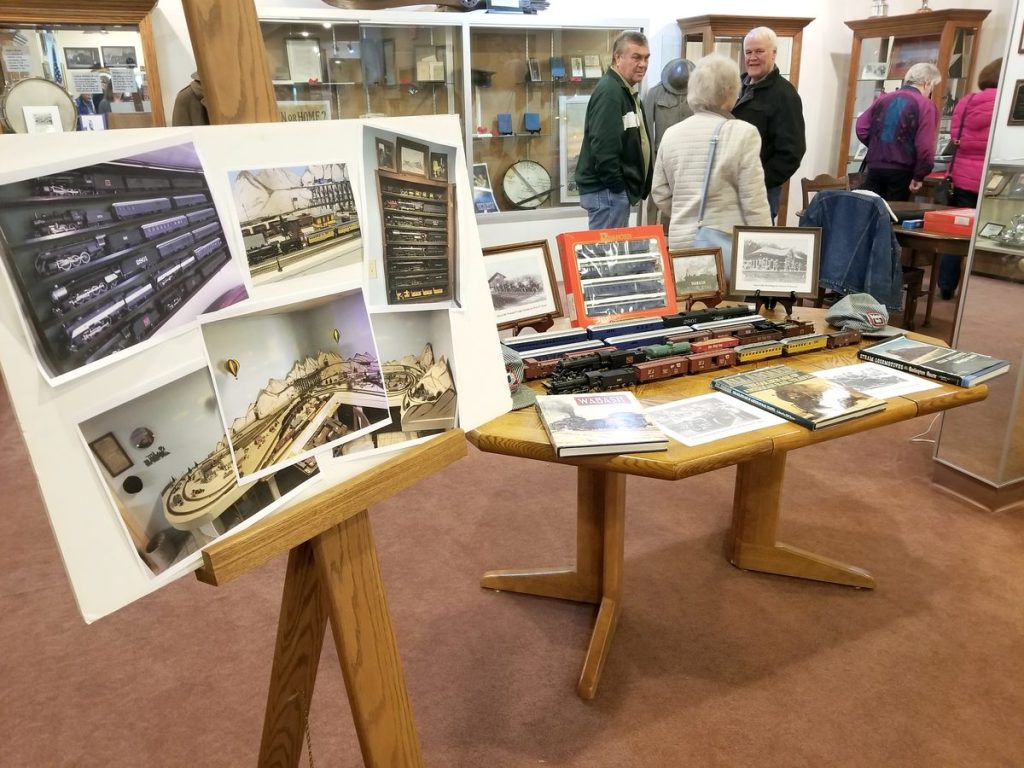
SKYE POURNAZARI/THE FORUM
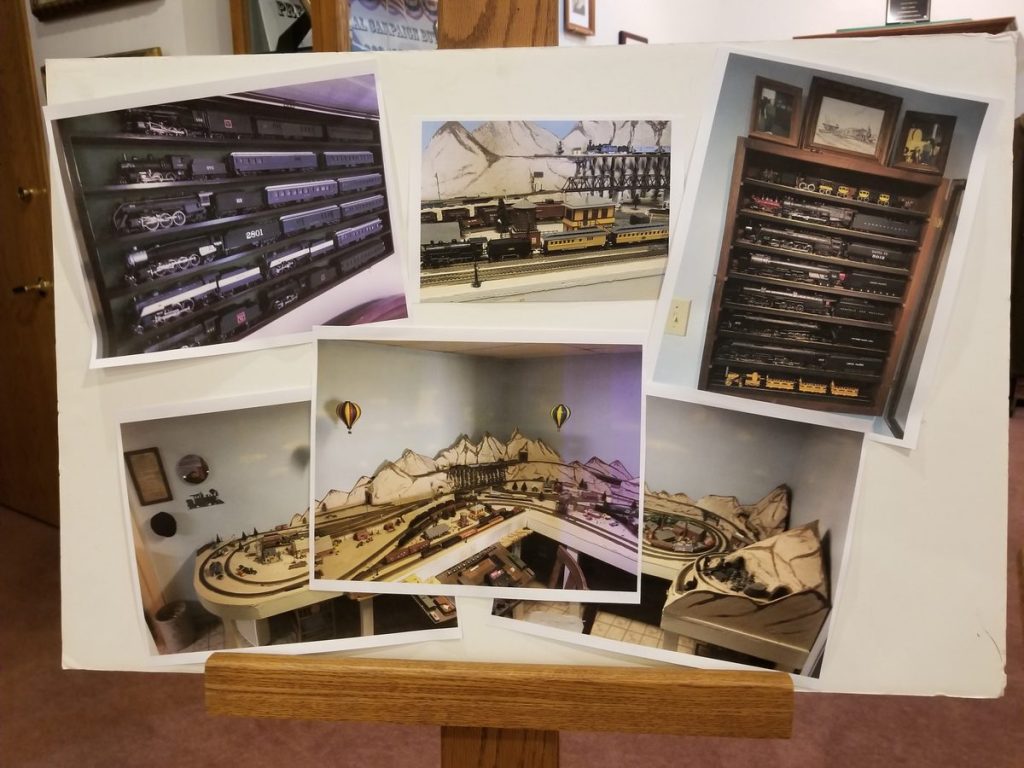
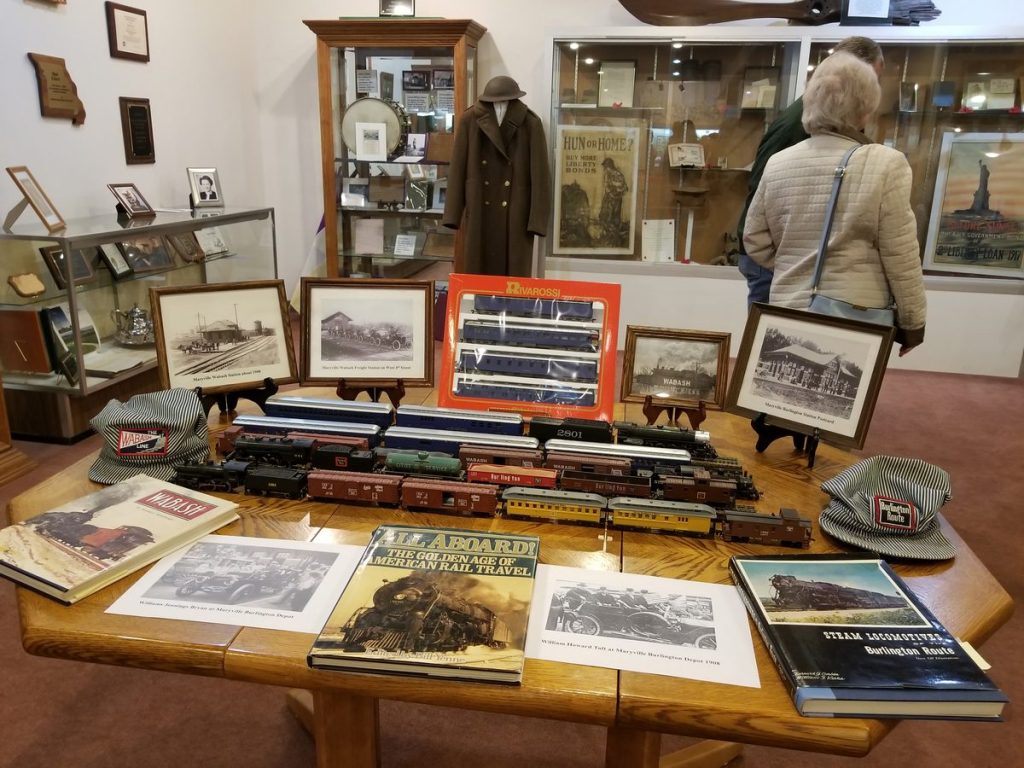
Jon Rickman, shared some of the photos and pieces from his train collection for audience members to peruse.
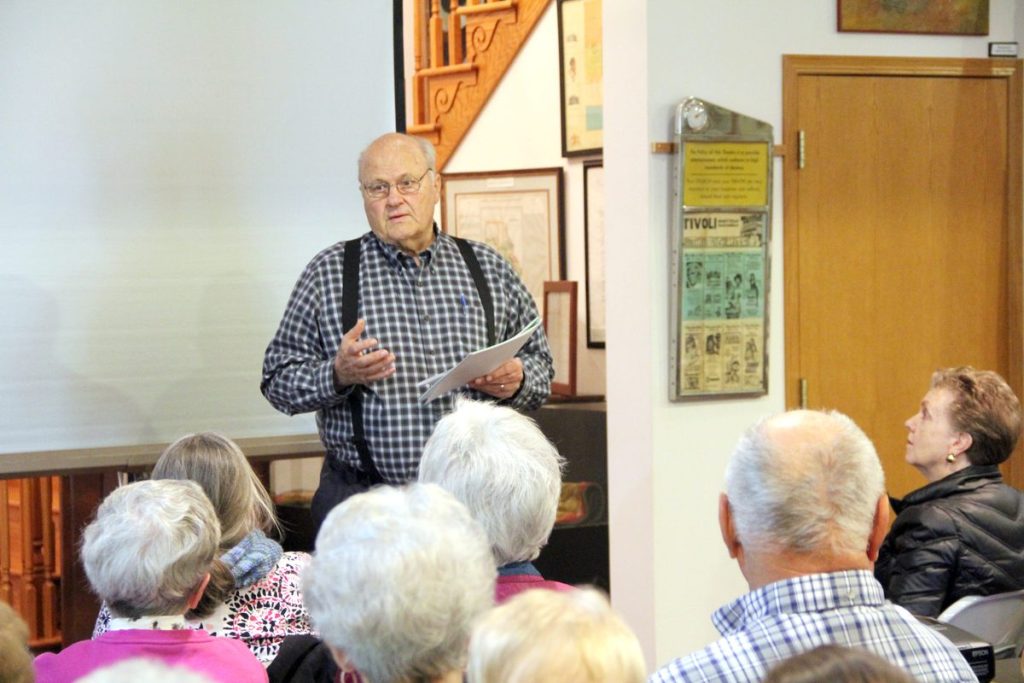
SKYE POURNAZARI/THE FORUM
Jon Rickman is shown discussing the history of railroads in Nodaway County on Saturday at the Nodaway County Historical Society Museum.
SKYE POURNAZARI/THE FORUM
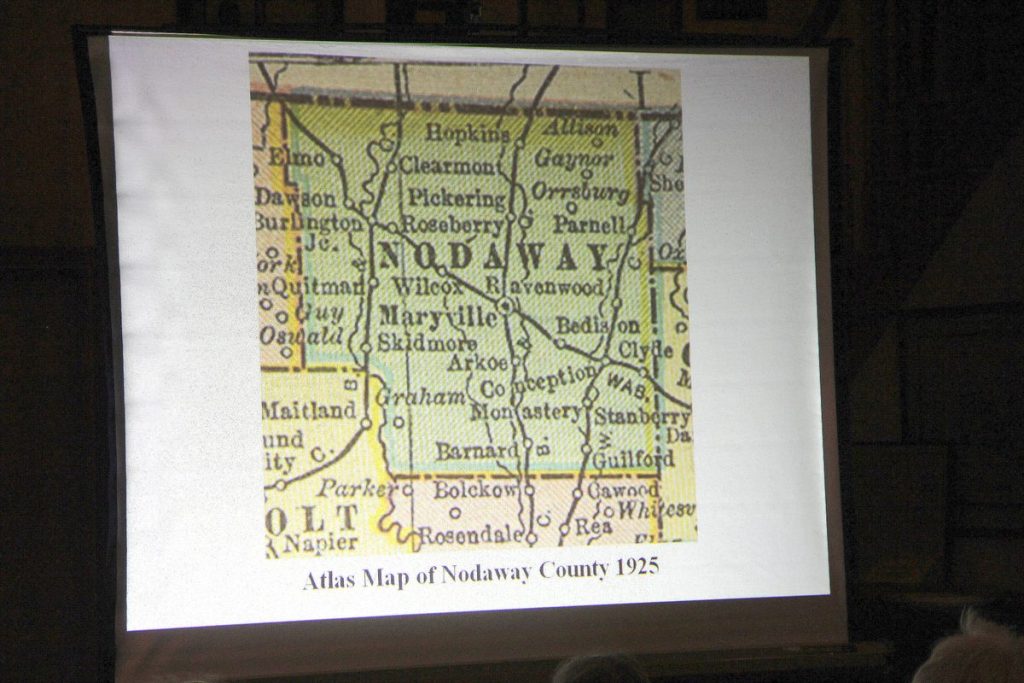
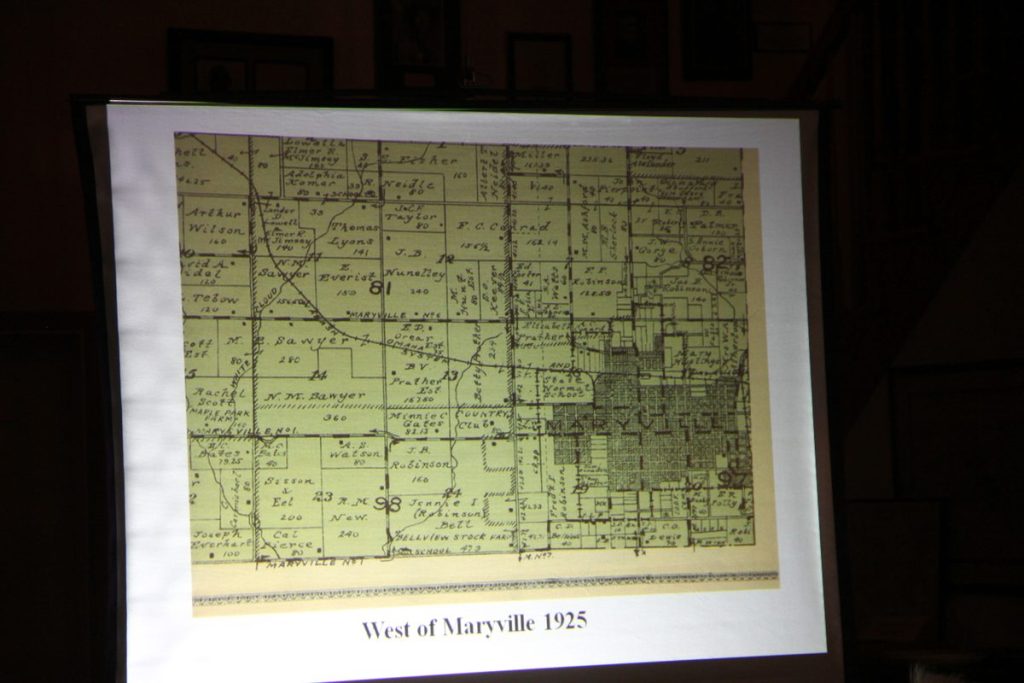
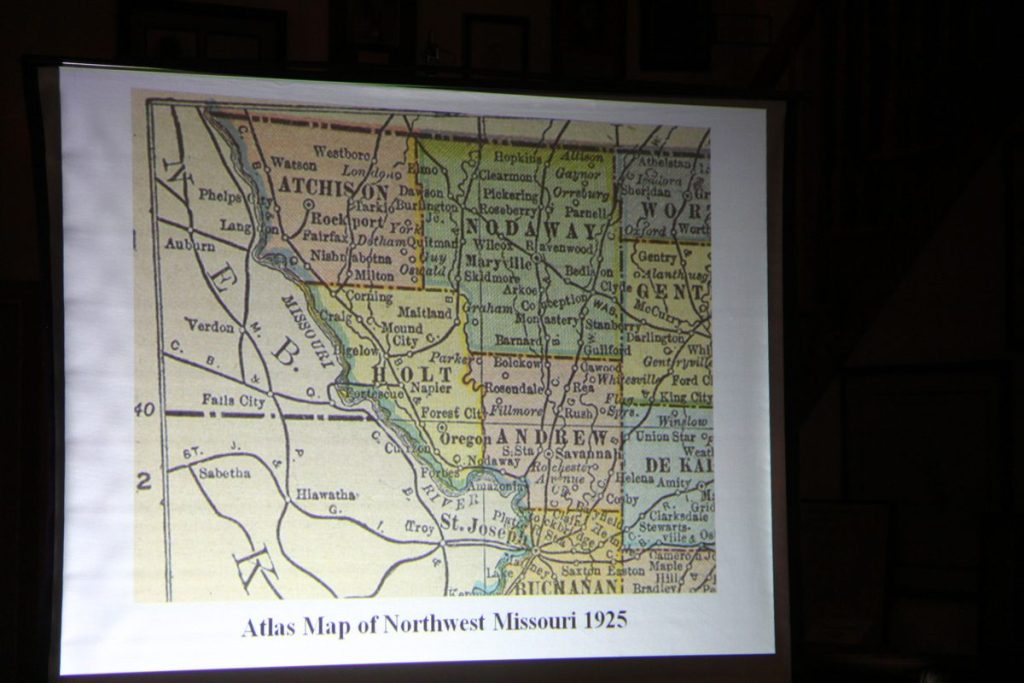
A map of Nodaway County and the railroads in it in 1925 is shown during Jon Rickman’s presentation on Railroads of Nodaway County held Saturday at the Nodaway County Historical Museum.
Skye Pournazari
4-19-18 rickmantrain2.jpg
Skye Pournazari
Shown is a slide from Jon Rickman’s presentation on Railroads of Nodaway County held Saturday at the Nodaway County Historical Society Museum.
Skye Pournazari
Shown is a slide from Jon Rickman’s presentation on Railroads of Nodaway County held Saturday at the Nodaway County Historical Society Museum.
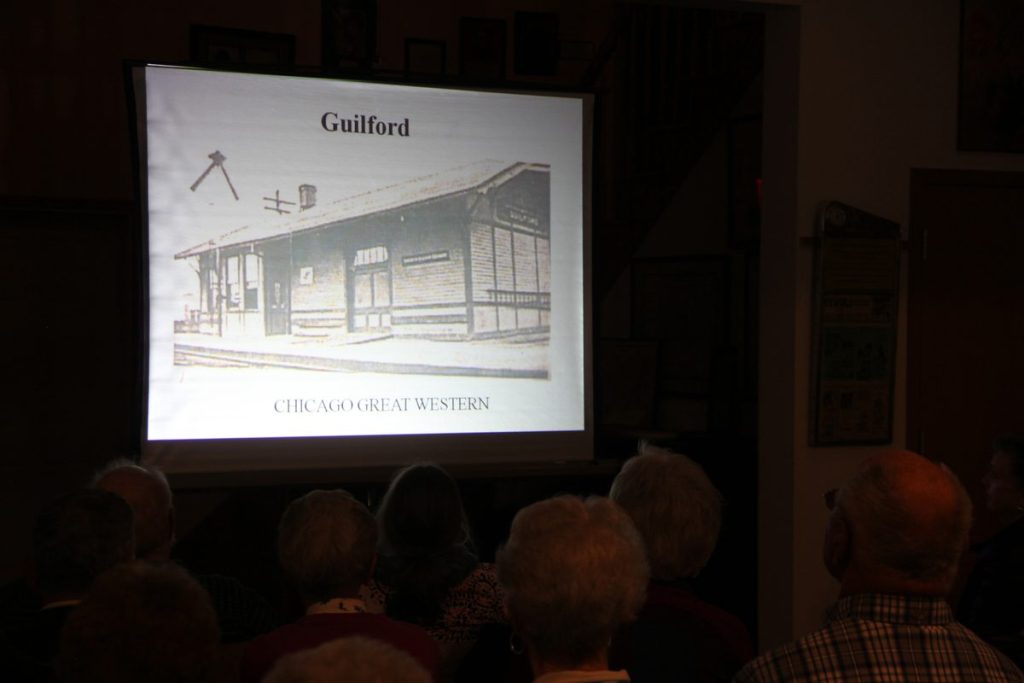
Skye Pournazari
Shown is a slide from Jon Rickman’s presentation on Railroads of Nodaway County held Saturday at the Nodaway County Historical Society Museum.
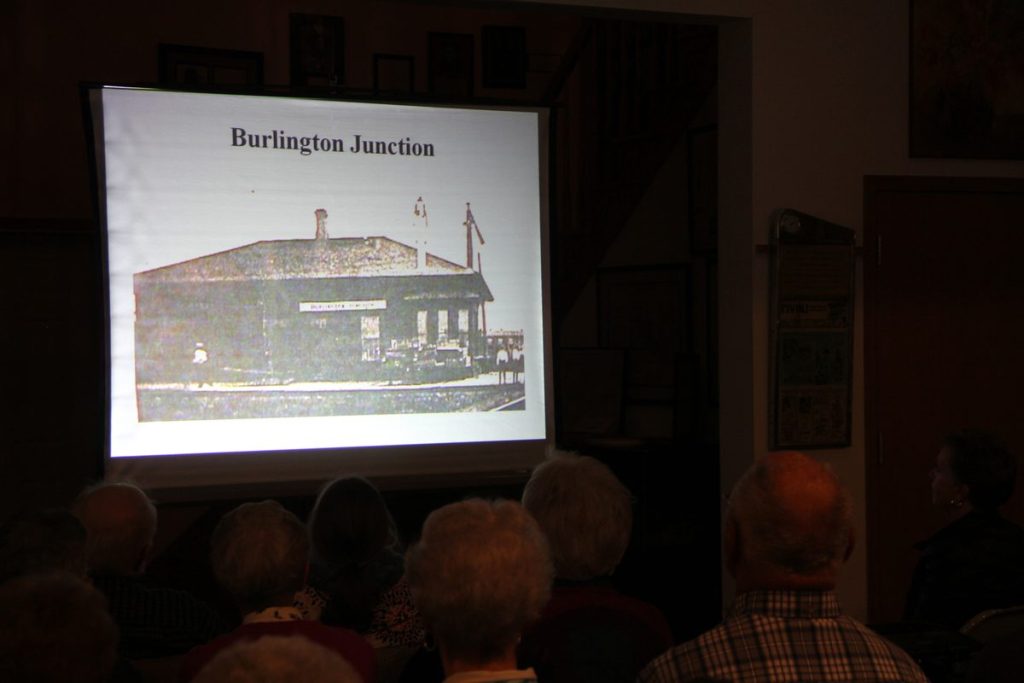
Skye Pournazari
Shown is a slide from Jon Rickman’s presentation on Railroads of Nodaway County held Saturday at the Nodaway County Historical Society Museum.
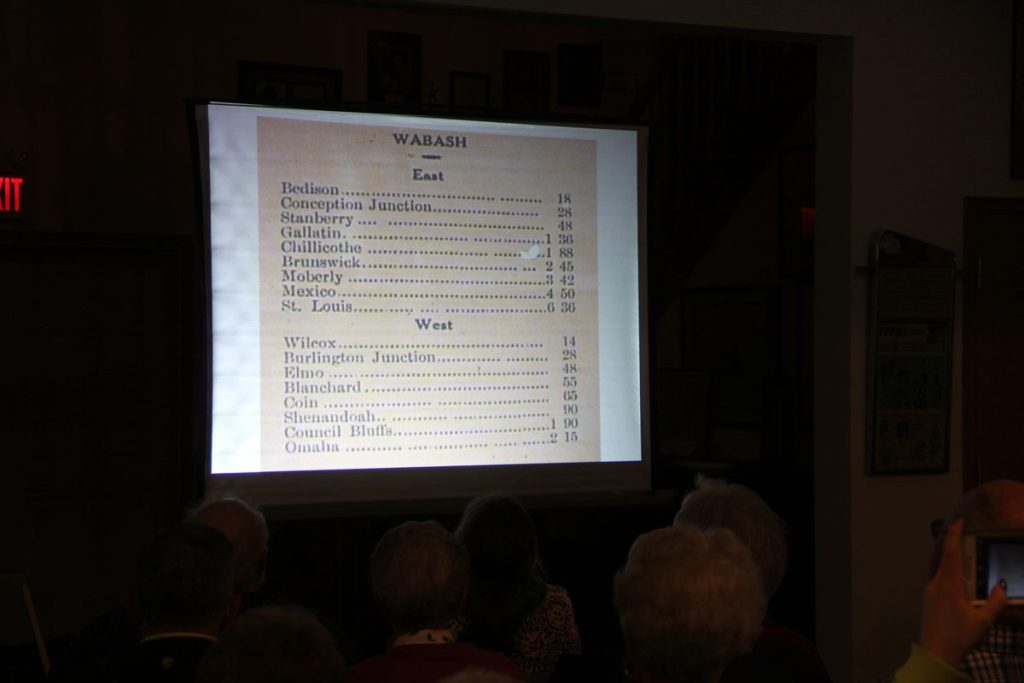
Skye Pournazari
Shown is a slide from Jon Rickman’s presentation on Railroads of Nodaway County held Saturday at the Nodaway County Historical Society Museum.
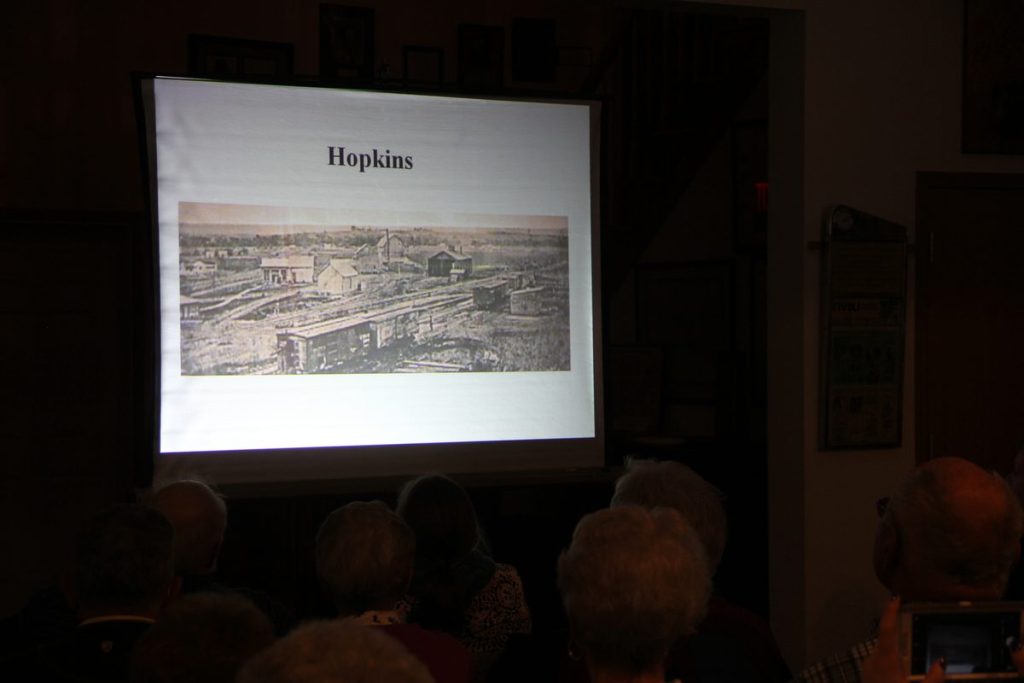
Skye Pournazari
Shown is a slide from Jon Rickman’s presentation on Railroads of Nodaway County held Saturday at the Nodaway County Historical Society Museum.
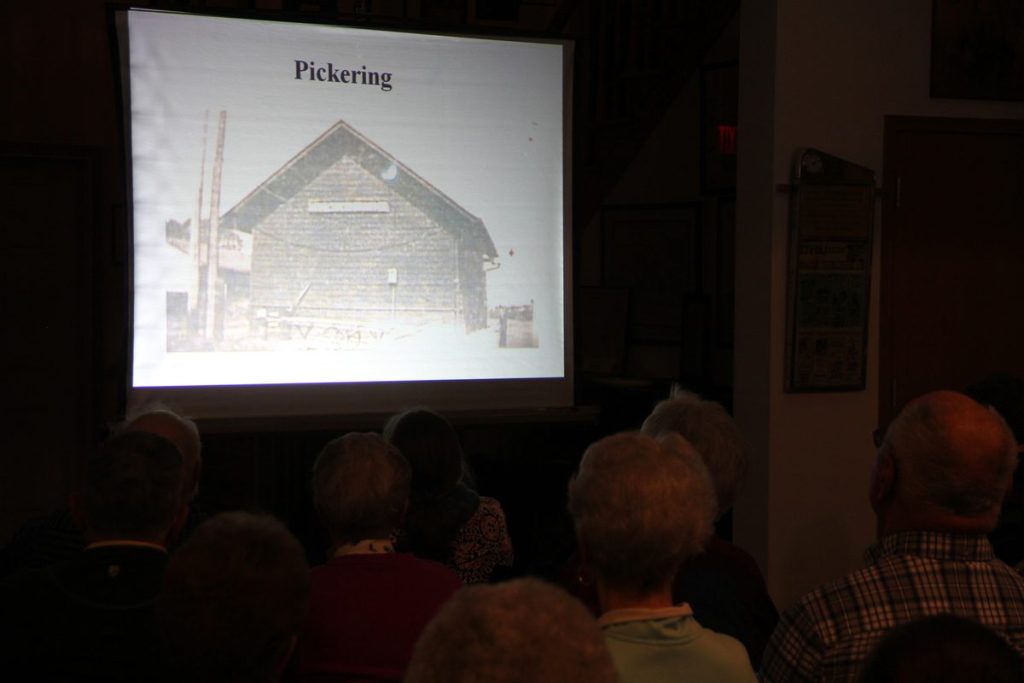
Skye Pournazari
Shown is a slide from Jon Rickman’s presentation on Railroads of Nodaway County held Saturday at the Nodaway County Historical Society Museum.
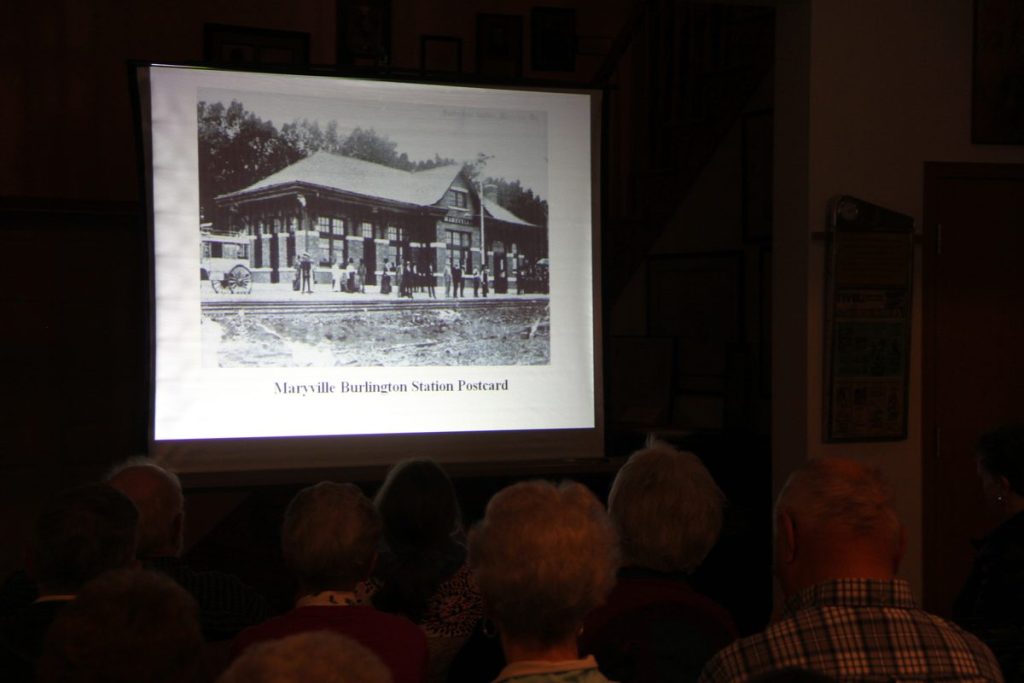
Skye Pournazari
Shown is a slide from Jon Rickman’s presentation on Railroads of Nodaway County held Saturday at the Nodaway County Historical Society Museum.
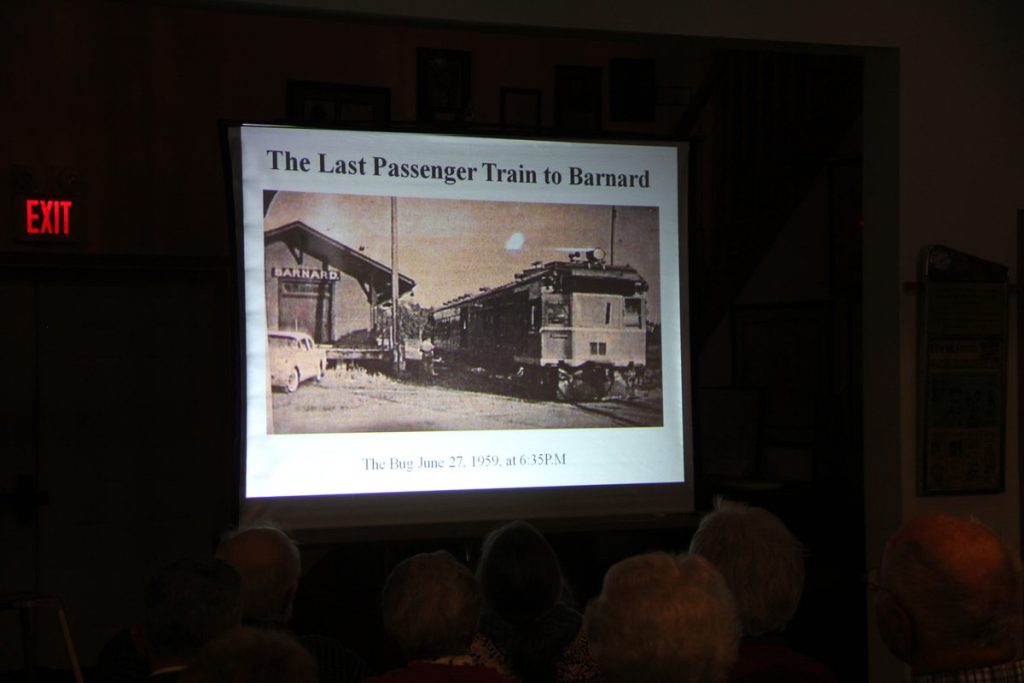
Skye Pournazari
Shown is a slide from Jon Rickman’s presentation on Railroads of Nodaway County held Saturday at the Nodaway County Historical Society Museum.
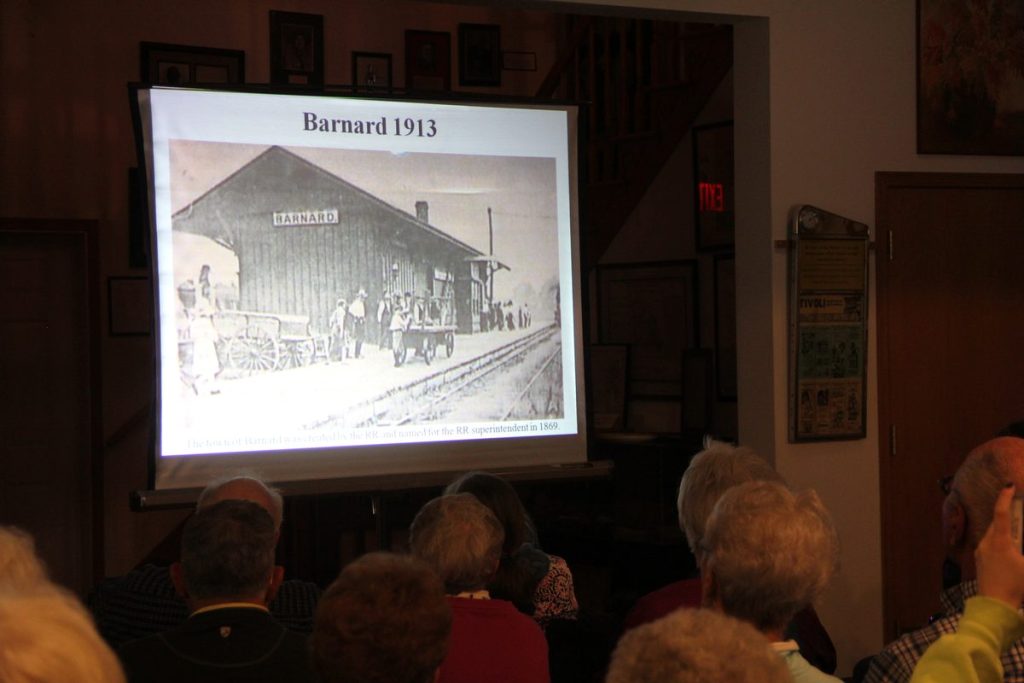
Skye Pournazari
Shown is a slide from Jon Rickman’s presentation on Railroads of Nodaway County held Saturday at the Nodaway County Historical Society Museum.
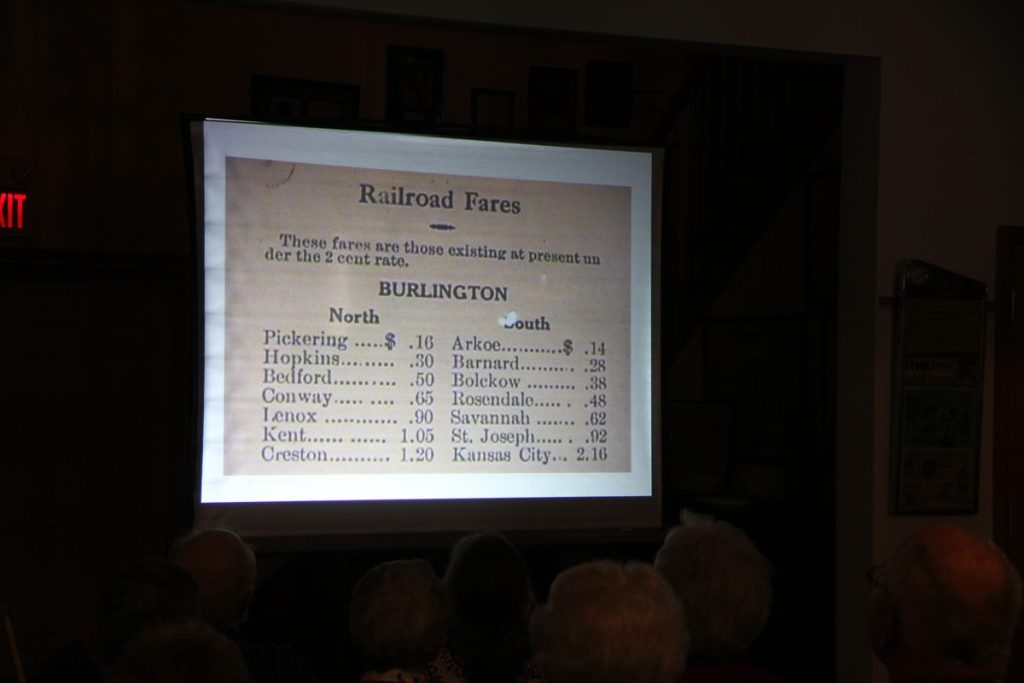
Skye Pournazari
Shown is a slide from Jon Rickman’s presentation on Railroads of Nodaway County held Saturday at the Nodaway County Historical Society Museum.
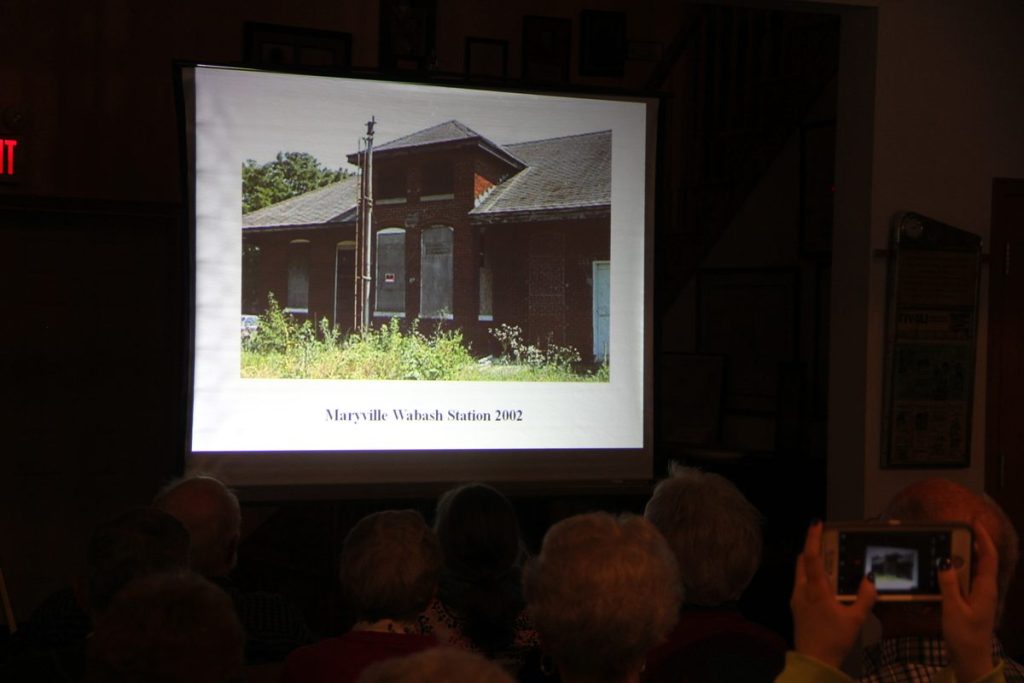
Skye Pournazari
Shown is a slide from Jon Rickman’s presentation on Railroads of Nodaway County held Saturday at the Nodaway County Historical Society Museum.
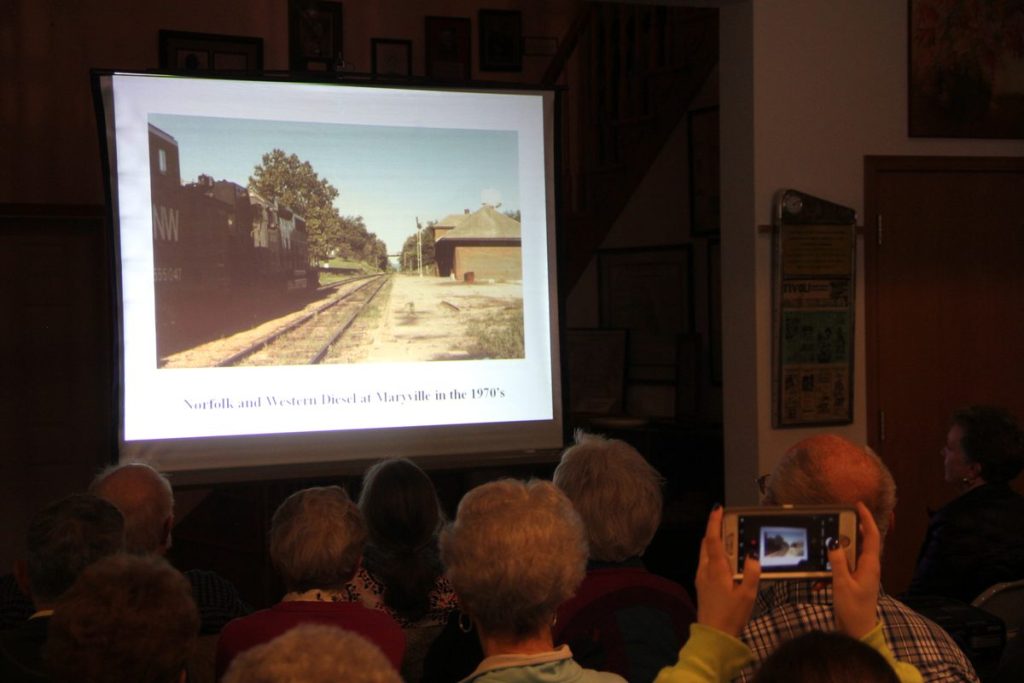
Skye Pournazari
Shown is a slide from Jon Rickman’s presentation on Railroads of Nodaway County held Saturday at the Nodaway County Historical Society Museum.
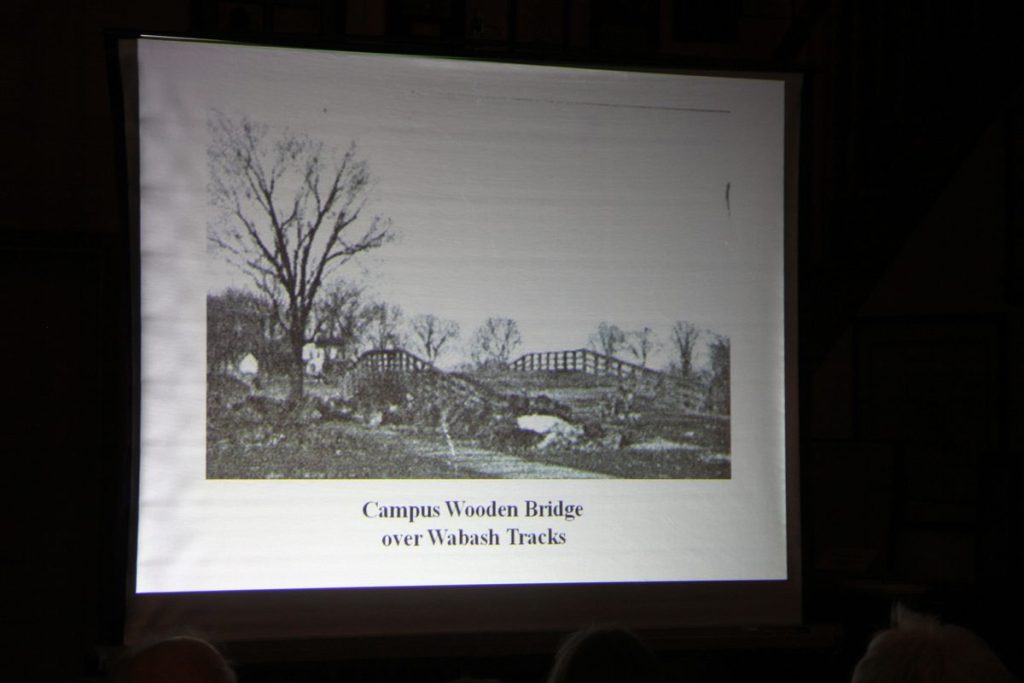
Skye Pournazari
Shown is a slide from Jon Rickman’s presentation on Railroads of Nodaway County held Saturday at the Nodaway County Historical Society Museum.
Skye Pournazari
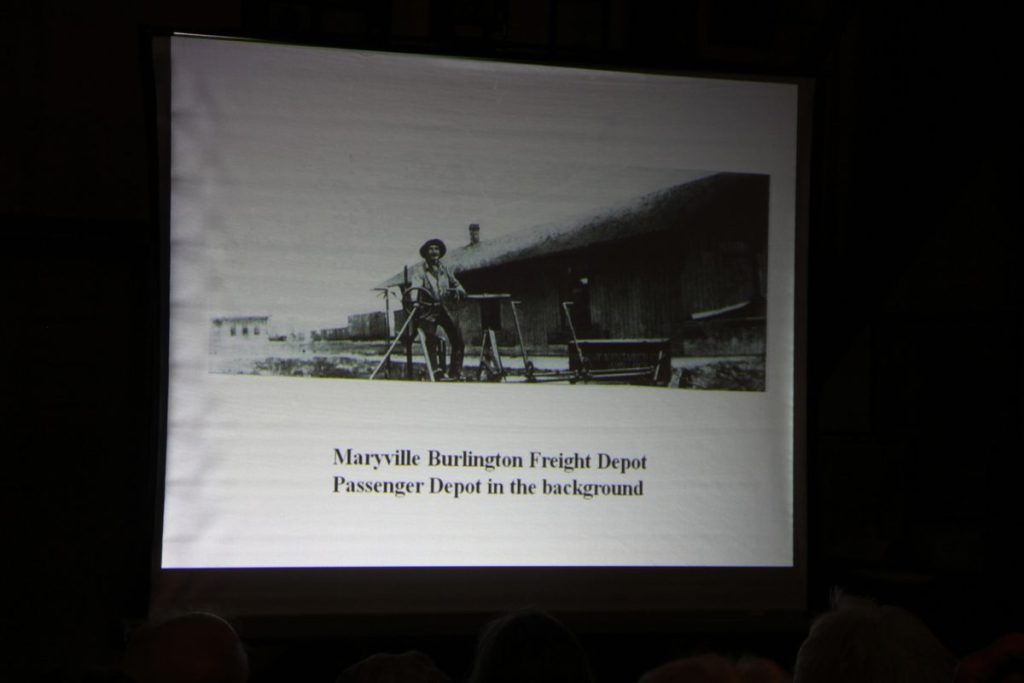
Shown is a slide from Jon Rickman’s presentation on Railroads of Nodaway County held Saturday at the Nodaway County Historical Society Museum.
Skye Pournazari
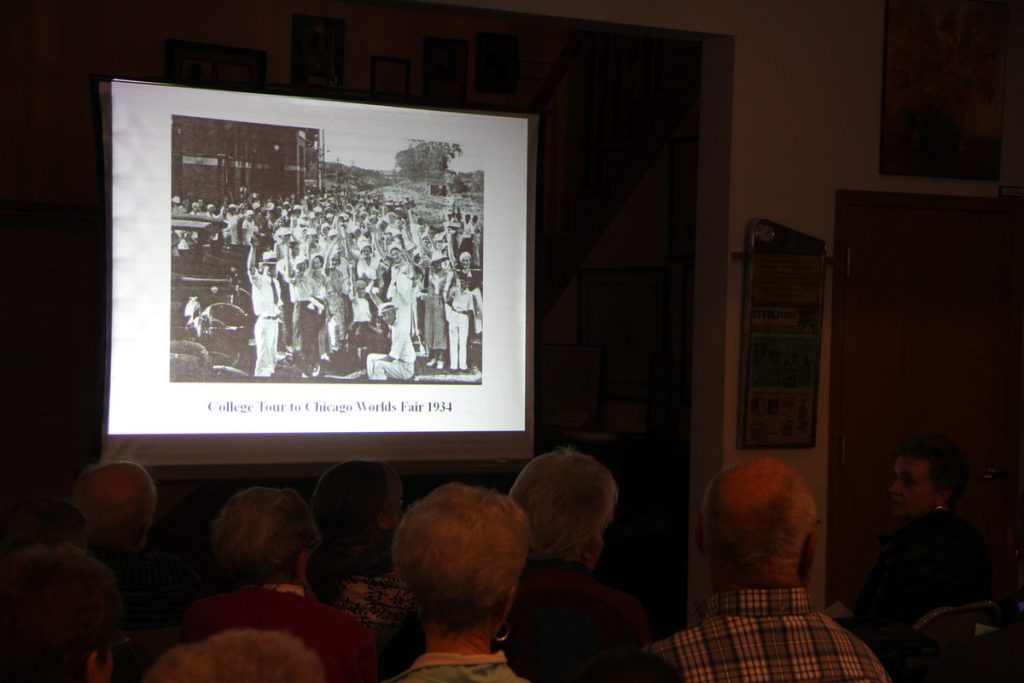
Shown is a slide from Jon Rickman’s presentation on Railroads of Nodaway County held Saturday at the Nodaway County Historical Society Museum.
Skye Pournazari
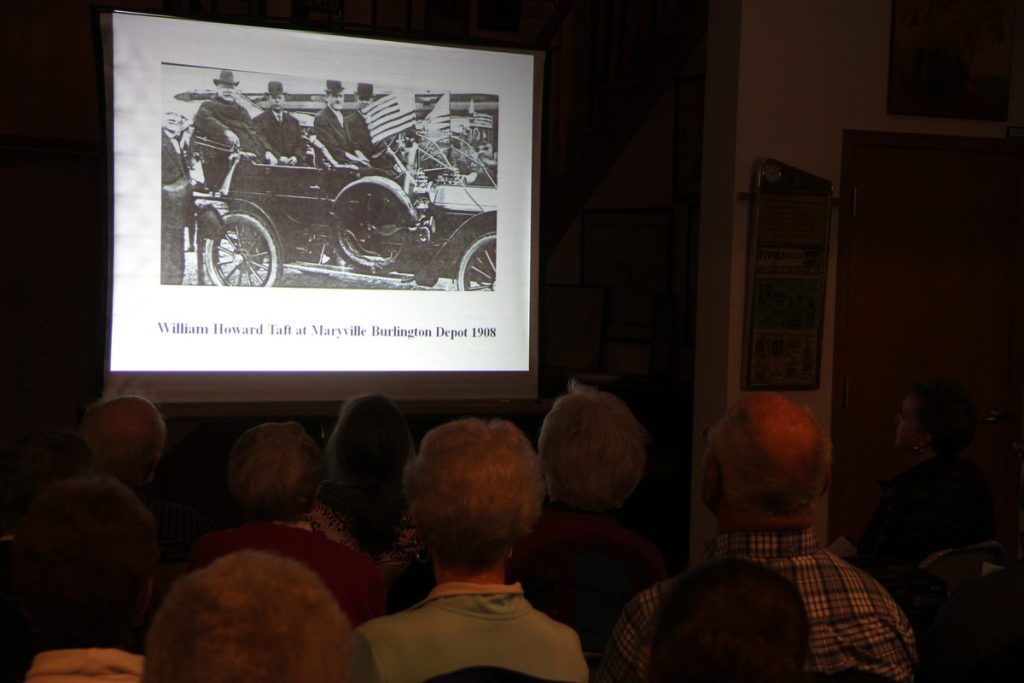
Shown is a slide from Jon Rickman’s presentation on Railroads of Nodaway County held Saturday at the Nodaway County Historical Society Museum.
Skye Pournazari
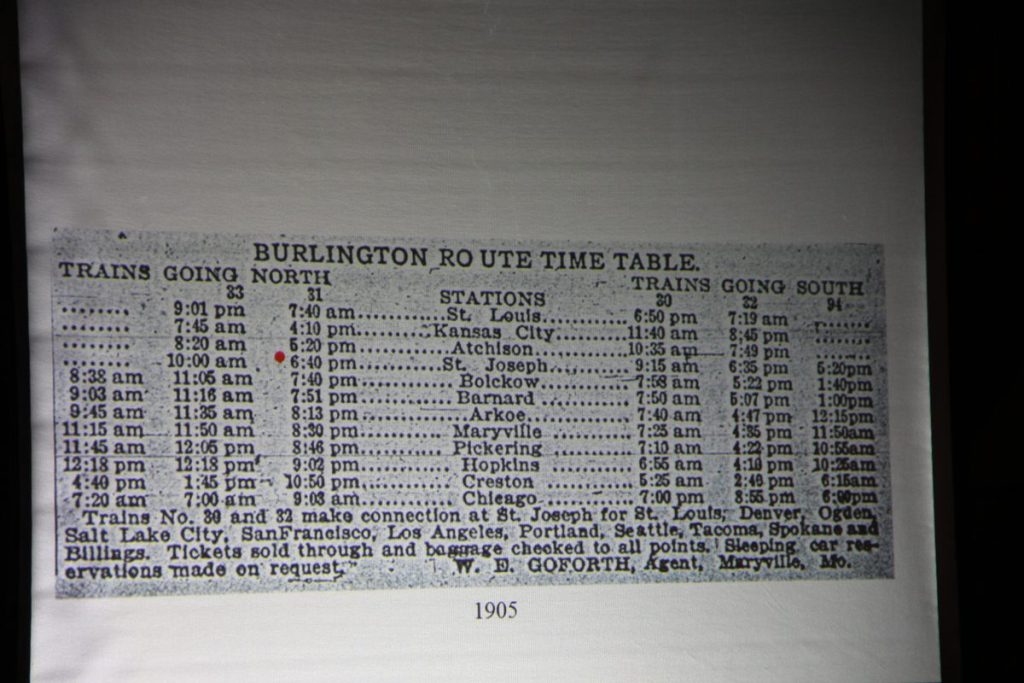
Shown is a slide from Jon Rickman’s presentation on Railroads of Nodaway County held Saturday at the Nodaway County Historical Society Museum.
Skye Pournazari
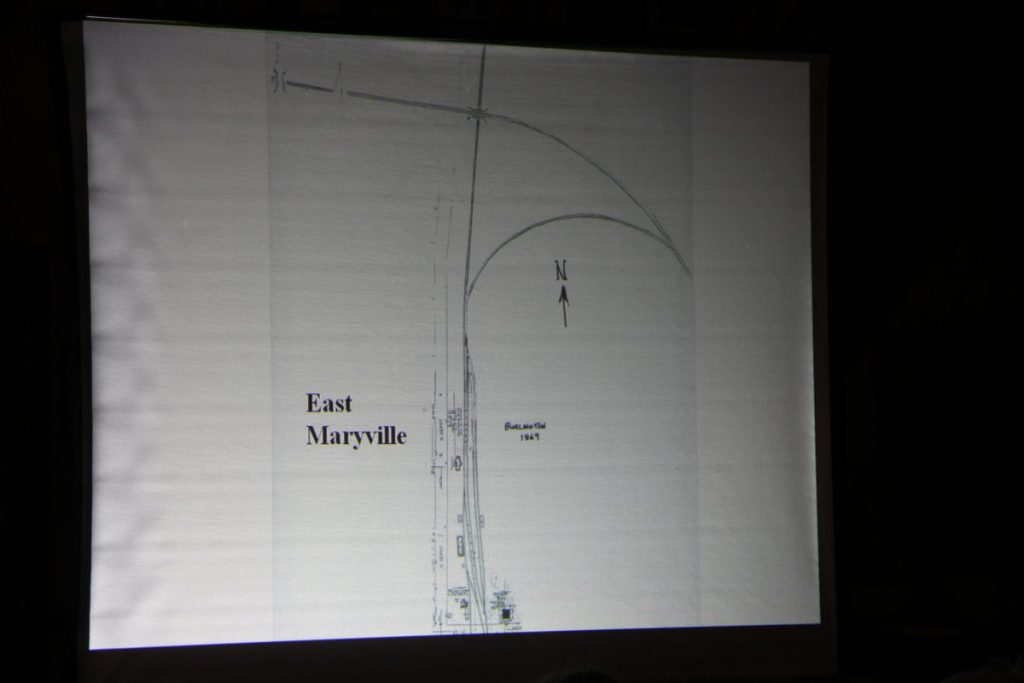
Shown is a slide from Jon Rickman’s presentation on Railroads of Nodaway County held Saturday at the Nodaway County Historical Society Museum.
Skye Pournazari
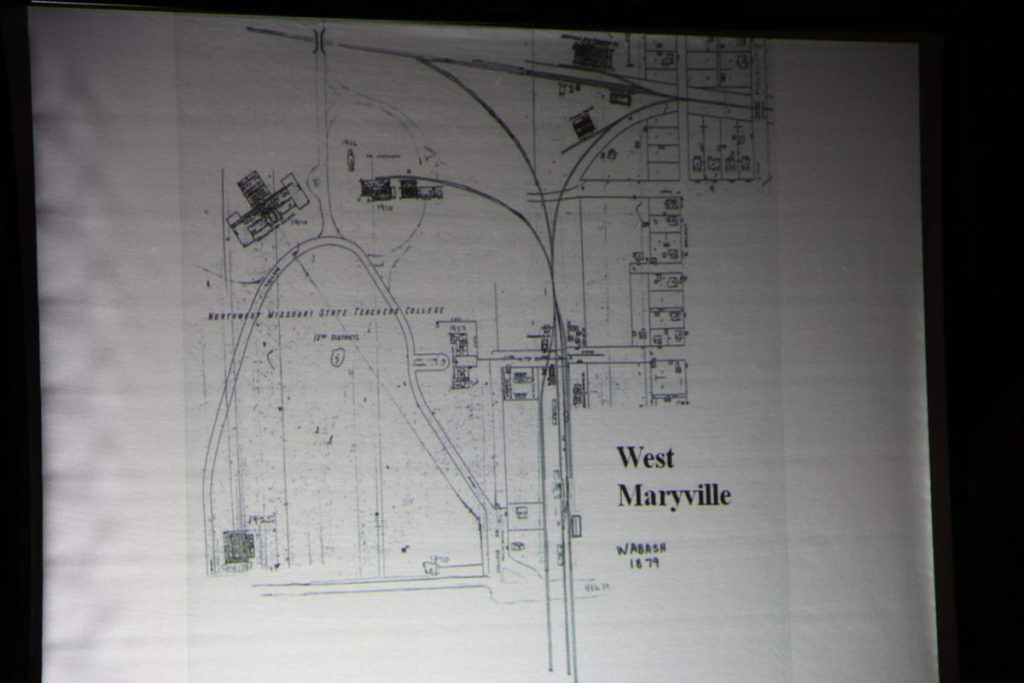
Shown is a slide from Jon Rickman’s presentation on Railroads of Nodaway County held Saturday at the Nodaway County Historical Society Museum.
Skye Pournazari
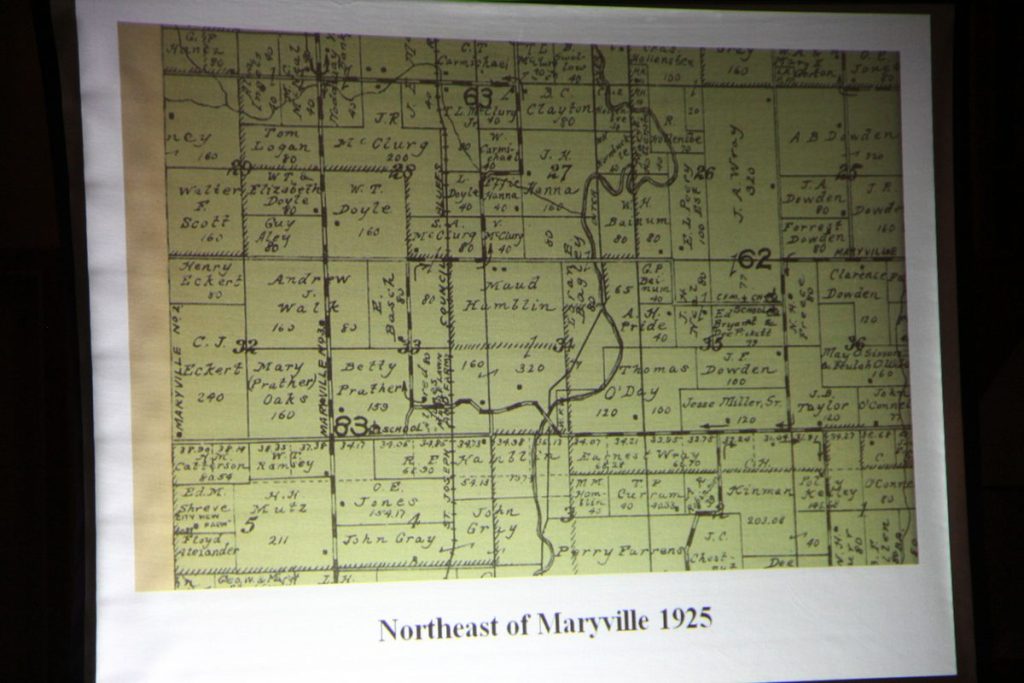
Shown is a slide from Jon Rickman’s presentation on Railroads of Nodaway County held Saturday at the Nodaway County Historical Society Museum.
Skye Pournazari
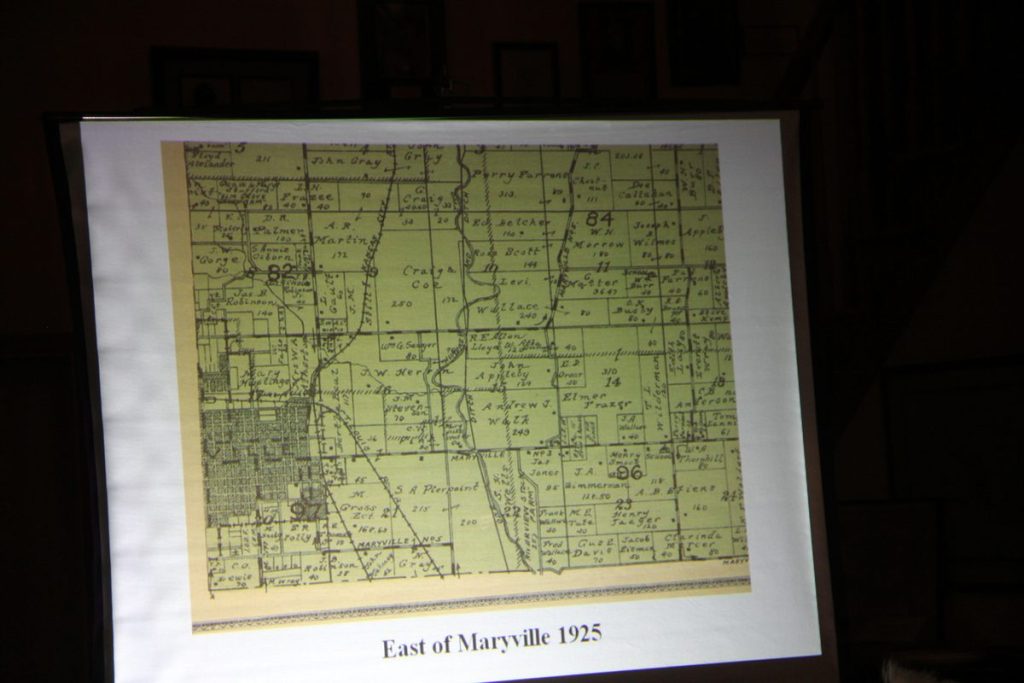
Shown is a slide from Jon Rickman’s presentation on Railroads of Nodaway County held Saturday at the Nodaway County Historical Society Museum.
Skye Pournazari
Shown is a slide from Jon Rickman’s presentation on Railroads of Nodaway County held Saturday at the Nodaway County Historical Society Museum.
Skye Pournazari
Shown is a slide from Jon Rickman’s presentation on Railroads of Nodaway County held Saturday at the Nodaway County Historical Society Museum.
Skye Pournazari
Shown is a slide from Jon Rickman’s presentation on Railroads of Nodaway County held Saturday at the Nodaway County Historical Society Museum.
Skye Pournazari
Shown is a slide from Jon Rickman’s presentation on Railroads of Nodaway County held Saturday at the Nodaway County Historical Society Museum.
Skye Pournazari
Shown is a slide from Jon Rickman’s presentation on Railroads of Nodaway County held Saturday at the Nodaway County Historical Society Museum.
Skye Pournazari
Shown is a slide from Jon Rickman’s presentation on Railroads of Nodaway County held Saturday at the Nodaway County Historical Society Museum.
Skye Pournazari
Shown is a slide from Jon Rickman’s presentation on Railroads of Nodaway County held Saturday at the Nodaway County Historical Society Museum.
Skye Pournazari
Shown is a slide from Jon Rickman’s presentation on Railroads of Nodaway County held Saturday at the Nodaway County Historical Society Museum.
Skye Pournazari
Shown is a slide from Jon Rickman’s presentation on Railroads of Nodaway County held Saturday at the Nodaway County Historical Society Museum.
Skye Pournazari
Shown are photos of Jon Rickman’s train collection shown Saturday at the Nodaway County Historical Society Museum.
Skye Pournazari
Shown are photos of Jon Rickman’s train collection shown Saturday at the Nodaway County Historical Society Museum.