
Capitol Report: Fighting opioid addiction
Capitol Report: Fighting opioid addiction
The Missouri House has voted to take more steps toward fighting opioid addiction with a focus on shifting the response to addiction from law enforcement and incarceration to treatment availability.
As the sponsor said, “That’s the thing that’s lacking so much now, is we don’t have enough health care providers to provide access to what’s called, ‘medication-assisted therapy.’ It is basically using medications like buprenorphine and Suboxone that get rid of the craving for narcotics and it allows people to get back to a useful, functional, rewarding life, but they need the medication on an ongoing basis and for that we need healthcare providers to help provide access to that sort of treatment, and we don’t have enough of those now.”
The main provision of the bill would create the “Improved Access to Treatment for Opioid Addictions” Program (IATOA). It would use assistant physicians – a position created by legislation passed in 2014 – to work in a collaborative way with licensed doctors to provide addiction treatment throughout the state. The assistant physicians would be supported by the ECHO program (Extension for Community Healthcare Options) – a program that uses videoconferencing to connect experts with providers statewide to help providers offer specialized care. The sponsor said the program would be among the first of its kind in the nation, and other states are already taking note of it and considering how to create their own.
Another of the bill’s main provisions would limit the amount of an opioid drug that could be prescribed to someone for acute pain to a seven-day supply. The provision is meant to keep people from becoming addicted while not limiting such drugs to those who rely on them for long-term pain management. The sponsor said, “The idea is to prevent people like the high school athlete who has a knee injury and the doc gives him 150 Percocet or whatever – it’s to nip that in the bud; prevent new people from getting addicted, but while acknowledging that there are people in our state that have chronic pain and they’re getting along pretty well.”
The bill would also create the Prescription Abuse Registry – a registry a person could voluntarily add himself or herself to – for individuals who have struggled with addiction. The registry would do no more than notify doctors who choose to check it that those on the list have had a substance abuse problem. A person could petition to be removed from the list five years after adding her or his name to it. The bill would also discontinue patient satisfaction scores of doctors, to the extent allowed by federal law. The sponsor said the change would keep doctors from being given low scores by patients with addiction issues to whom they refused to prescribe opioids. He said such false, punitive low scoring can hurt doctors’ reputations, and hurt them financially.
The legislation now moves to the Senate for consideration.
As always, it is an honor to represent you!
Representative Allen Andrews, District 1, Missouri State Capitol, Room 406 B, 201 West Capitol Avenue, Jefferson City, MO 65101. Telephone: 573-751-9465. [email protected]
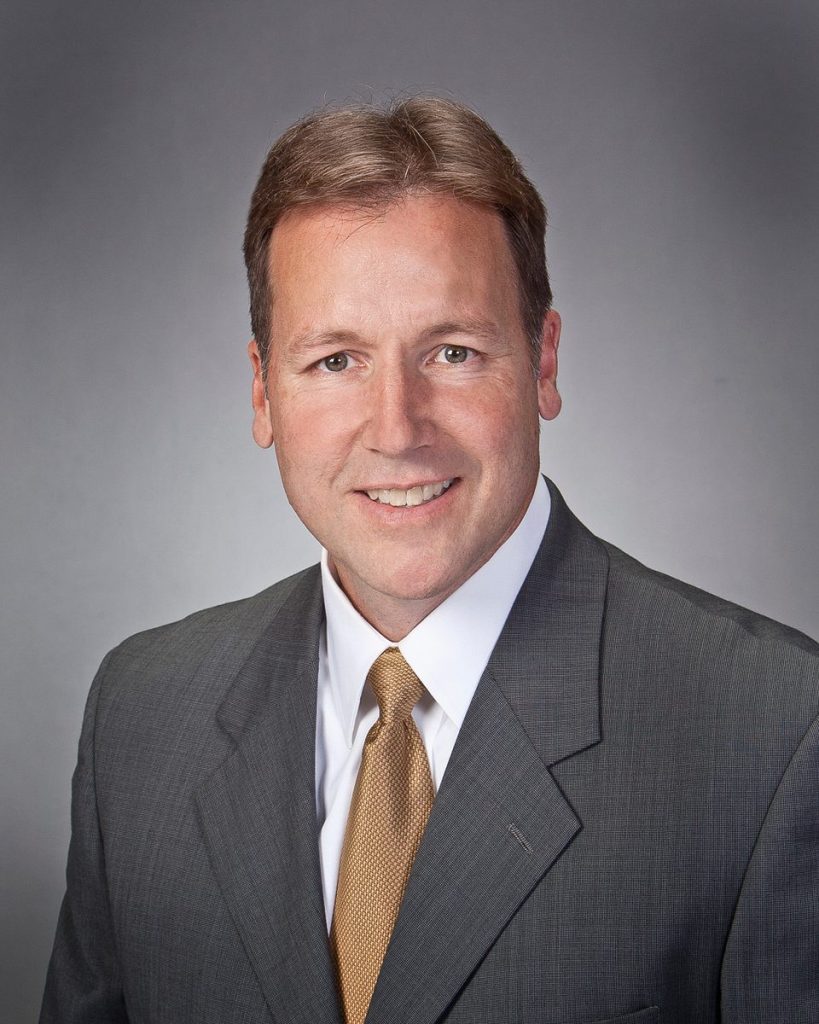
Allen Andrews is the First District State Representative.



