
Capitol Report: Fiscally responsible plan
Capitol Report: Fiscally responsible plan
House members worked late into the night Tuesday to give initial approval to a fiscally responsible spending plan that makes a record investment in K-12 education. The House then gave final approval on Thursday to the 13 appropriations bills that make up the $28.1 billion state operating budget for Fiscal Year 2019.
The House Budget Committee Chairman has said the conservative spending plan is based on a sensible consensus revenue estimate that will avoid shortfalls that could force the governor to withhold funds. This year’s budget plan enforces fiscal discipline by holding welfare spending in check. It also includes a budget reserve of $100 million to allow for emergency spending needs. Additionally, the House version of the budget rejects a plan endorsed by the governor to borrow $250 million to expedite tax refunds.
The Budget Chairman praised the budget for its commitment to transparency. In addition to eliminating all “E”s, which represent open-ended spending limits on funds, the spending plan improves transparency in several other key areas. The budget approved by the House breaks down spending for the state’s legal expense fund, which previously had no system in place to track how dollars are spent to pay for settlements and judgments against state agencies. In addition, the spending plan improves transparency for spending within the state’s conservation department, and for dollars allocated to home-delivered meals. The budget also makes a $34-millon fund in the Department of Corrections transparent and accountable for the first time.
The House version of the budget makes a record investment in K-12 education by fully funding the school foundation formula, which included new funding for early childhood education. In total, the House plan increases funding for the foundation formula by $98.9 million. Included in that figure is $48 million in new funding for pre-K education for low-income children. With this plan, the legislature would fully fund the foundation formula in back-to-back years for the first time in a generation.
The state operating budget as it leaves the House also restores $68 million in cuts proposed by the governor to higher education. The restoration of funding comes in conjunction with a pledge by the state’s universities and colleges to raise tuition by no more than 1 percent. Schools must hold to that pledge as long as they receive the funds allotted for them in the budget. If for some reason the funds would be withheld, the schools would be allowed to increase tuition by the rate of inflation. The agreement is a reflection of the commitment of House members to hold down the cost of higher education for students and families.
In total, the $28.1 billion spending plan is approximately $650 million smaller than the plan proposed by the governor. The budget would utilize roughly $9.4 billion in state general revenue dollars, which is approximately $400 million less than the governor called for in his budget proposal. The House budget now moves to the Senate for their approval.
As always, it is an honor to represent you!
Representative Allen Andrews, District 1, Missouri State Capitol, Room 406 B, 201 West Capitol Avenue, Jefferson City, MO 65101
Telephone: 573-751-9465
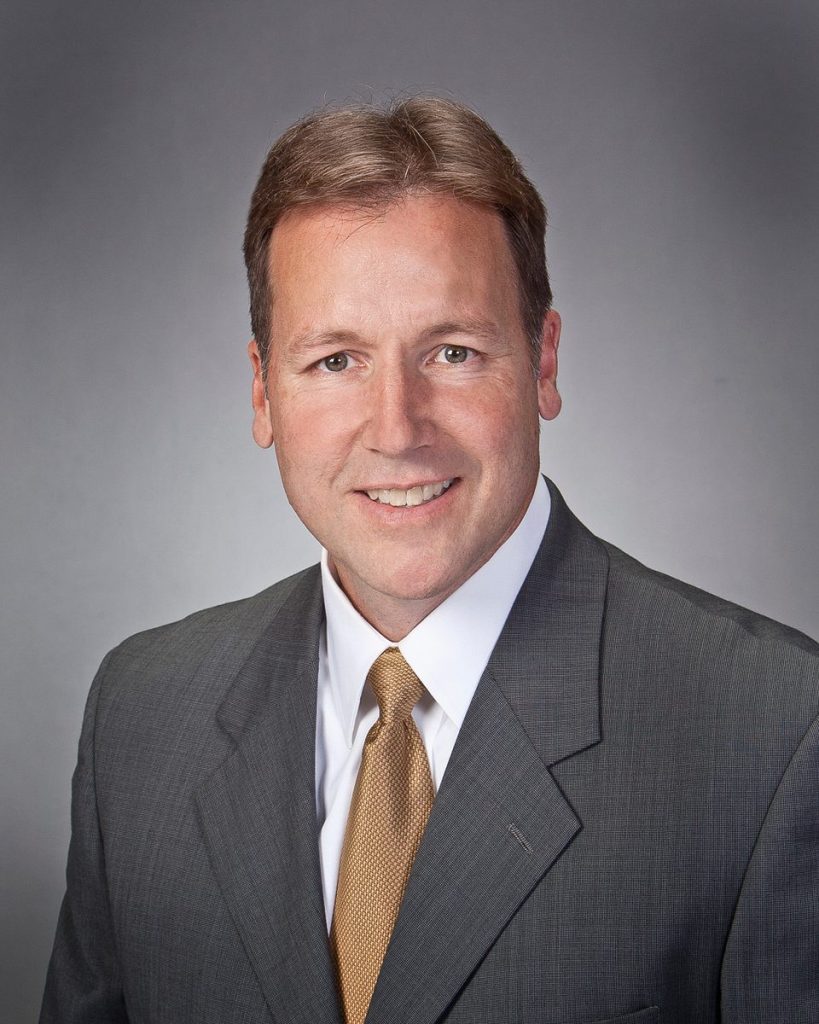
Allen Andrews is the First District State Representative.



