
Watching the early days of Trump transition
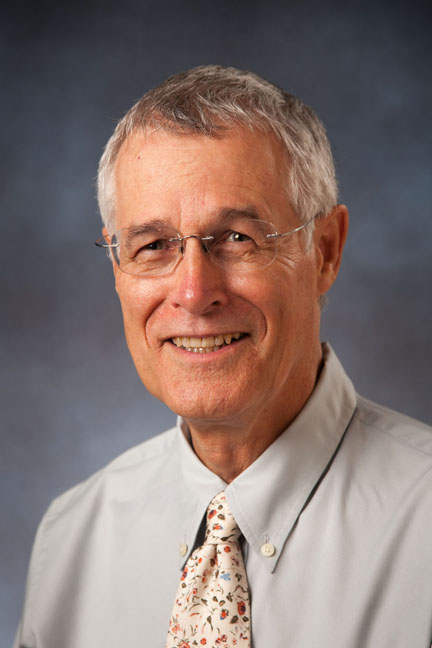
Richard Fulton
As the country and government transitions to the new reality of a Donald Trump presidency there are two broad categories of elements of that transition to watch. The first is the people he places around him and the second is the steadfastness with which Trump sticks to his campaign promises on issues.
Since Trump has no experience with government and politics, let alone at the presidential level, it is crucial who he places around him to advise and guide him. Already there seems to be significant infighting around the president-elect.
Piloting a campaign is quite different from running a functioning government bureaucracy. Who Trump places around himself and his government will give a significant clue as to his intentions on key issues.
Usually, key campaign aides become people influential within the White House while the government cabinet appointments are found in people within the president’s party who have extensive experience in the areas they will be leading. They may have been advisors to the presidential campaign but were not the campaign strategists.
The Trump transition team seems to be bickering over who amongst themselves will have key positions of influence. Vice President Pence has taken over from Chris Christie as the head of the team, but he was slow off the mark.
Then the transition group appears to have infighting amongst cadres of campaign advisors. Mike Rogers, a key foreign policy and security advisor left the transition team under pressure from Trump’s son-in-law Jared Kushner (who appears to be positioning himself as an important force behind the throne). He may well be behind the falling influence of Chris Christie as well since Christie prosecuted his father in New Jersey.
Many main-line Republicans refuse to be considered for positions in a Trump administration, especially those within the intelligence and security communities and bureaucracies. Not a good sign since foreign governments are very wary of a Trump presidency.
Potentially the most dangerous appointment could be that of Stephen Bannon who Trump put in as his chief strategist and senior counselor. This is the same person who heads a so-called alt-right publication, The Breitbart News, that the Southern Law Center describes as “A white ethno-nationalist propaganda mill.” This seems to be an important source of Trump’s views on immigrants and women.
What influence key Republicans in congress have on Trump is not clear. He seems to have a good relationship with Speaker of the House Paul Ryan.
Early indications of the direction that a Trump administration, aided by a Republican congress, will take on key issues emerge slowly. Will Trump pull back on the harsh changes in policies he advocated during the campaign or will he stick with them in pushing policy changes?
Will he, for instance, pull out of the Paris climate accords that even Putin has endorsed? He will be the only significant world leader to be a climate change denier. This will not auger well for future relations with world leaders.
In addition, Europe is worried that Putin’s Russia will gain significant ground in his efforts to undermine the influence and security of Europe if Trump follows through on his plans to weaken NATO.
The Iran nuclear deal could be in jeopardy if Trump follows his campaign rhetoric. This could be bad news for Israel and the whole Middle East.
Trump and his Republican congress want to slash taxes in such a way that the rich will get richer but the government coffers poorer. They also want to beef up the military and spend lavishly for domestic infrastructure improvements. How they will pay for all this is problematic. Budget deficits may explode.
Actions on issues will take time to emerge, so we will have to keep watch; but those who will guide decisions on issues for Trump will be chosen soon. Watch and wonder.



