A Day in the Life: Auctioneering takes more than fast talking
By JENNIFER DITLEVSON HAGLUND Staff writer
After nearly 39 years of organizing and calling auctions, Kermit Goslee said he’s still in love with his job. During every sale, he learns something new about the items he sells.
After teaching high school for 10 years, Kermit Goslee decided to return to school in 1977. Upon completing two weeks of training at the World Wide College of Auctioneering in Mason City, Iowa, Goslee started a new career path.
In August, Goslee will have been calling auctions for 39 years, and he hasn’t gotten tired of it yet.
“People ask me when I’m planning to retire, and my answer is, ‘Why?’” Goslee said. “I still dearly love it.”
Goslee discovered his interest in auctioneering while he was spending time with his father, who was an antique collector. They attended auctions together, and that was when Goslee began to entertain the idea of becoming an auctioneer.
“I saw an auction ad in the paper, and I thought maybe it would be fun to talk like that,” Goslee said.
Organizing an auction, Goslee added, is much more complicated than mastering how to talk fast. That part takes practice, but it’s only one aspect of the job.
He compared his early days of auctioning to managing a classroom for the first time.
“You don’t really learn how to teach until you get into the classroom,” he said. “The auction business is no different.”
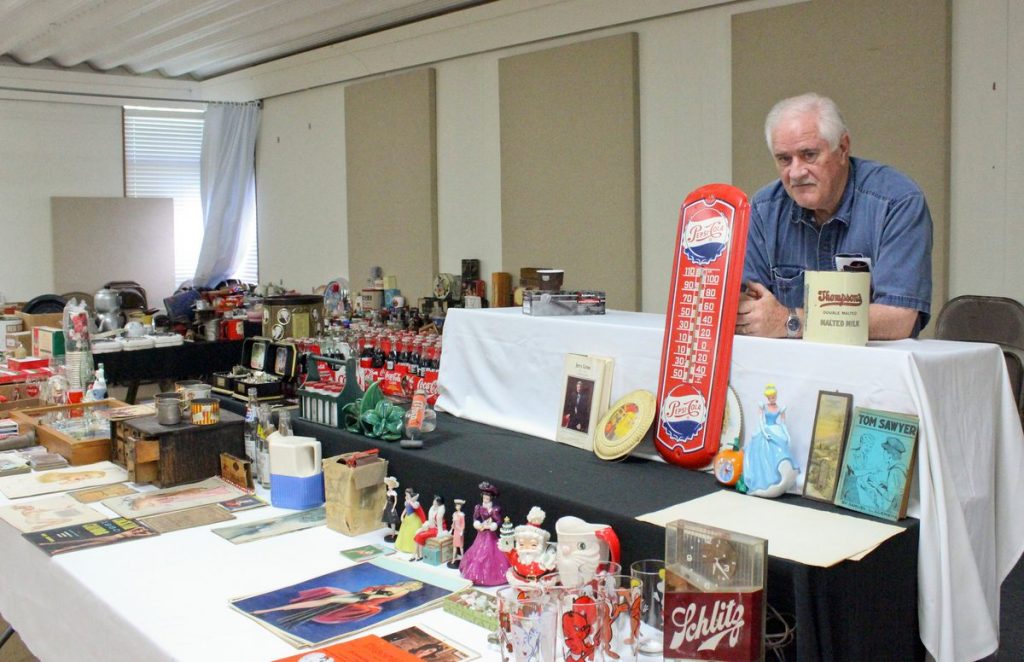
Goslee organizes sales for farm equipment, machinery, real estate, antiques, estates, and personal property. When the event calls for it, he categorizes the items, and often spends time cleaning and arranging them. Depending on the size of the sale, it could take him several days to become familiar with what he’s going to be selling.
When the auction spans several days, or features an exceptionally high volume of items, he calls in extra help for setup. Currently, he has two clerks, Rhonda Goslee and Deloris Shipley, and one regular ring worker. He also works with another auctioneer, Steve Espey, who has worked in the profession for 20 years.
“One thing I hear is that people tell me they never knew how much auctioneers work to get one of these things going,” Goslee said.
The fun in the job comes for Goslee when he gets to interact with the crowd and learn something new. Although he’s interested in antiques, he doesn’t call himself an expert in any one area. He said there are specialist auctioneers out there, but it helps him to research history, value, and demand for the goods he sells.
“There is always a surprise at an auction,” he said. “That’s why you have to think in terms of the overall picture.”
Goslee explained that these “surprises” happen when the crowd determines the value of an item contrary to his expectations.
When it comes to antique collectibles, Goslee said trends in popular culture and the ages of people in the crowd influence which items are hot sellers.
“People tend to collect their past and their childhood,” Goslee said.
Goslee said vintage Star Wars items from the original film trilogy have been particularly attractive to bidders recently.
Rarity increases desirability of items at an auction, but Goslee said that auctioneers face a challenge in attracting younger potential bidders looking to relive or preserve their childhood through artifacts.
Increases in the manufacture of consumable goods beginning in the 1980s flooded the market. For example, Goslee said, the Beanie Baby collectors in the 1990s grossly over estimated the enduring value of the stuffed animals. A whole box of Beanie Babies now might bring in less money than what a single “rare” Beanie Baby sold for at an auction 20 years ago.
But people don’t go to auctions just to hunt for bargains. Goslee said they’re often looking for a place to socialize—and for something to eat.
When planning the event, Goslee keeps that in mind because the attitude and interest of the crowd can determine the success of the sale. Goslee said it’s a competitive business, and his customers want to get rid of their property and make the most they can from it.
Editor’s Note
A Day in the Life is an ongoing feature written by Daily Forum staff and published weekly. Each story details the daily work of someone in Nodaway County. Readers can submit ideas for subjects to [email protected].
By JENNIFER DITLEVSON HAGLUND Staff writer
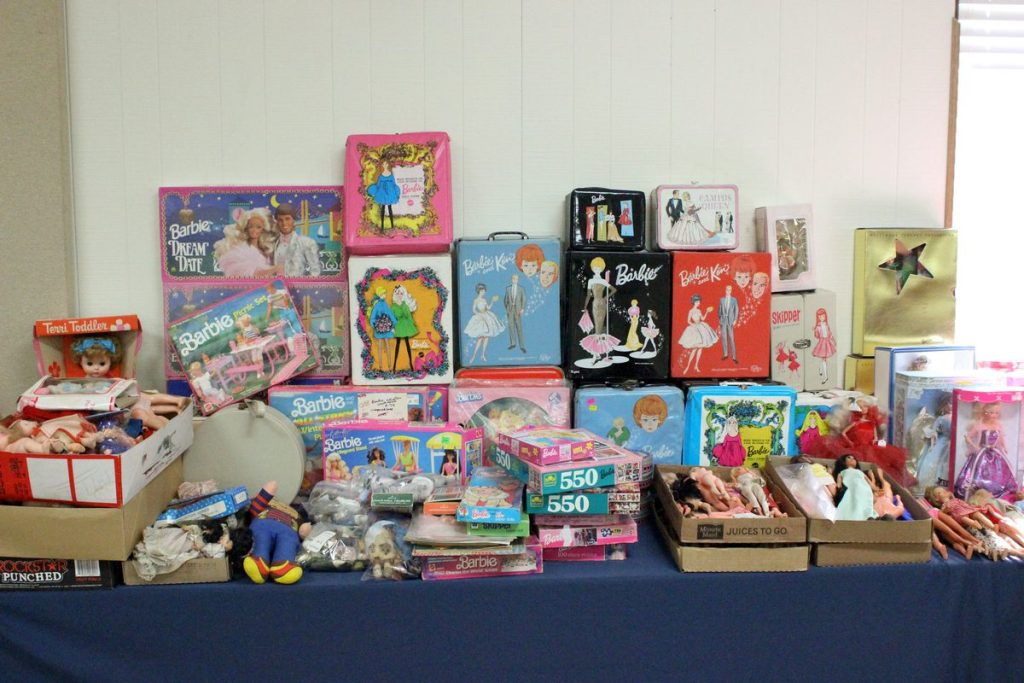
Kermit Goslee auctions personal property, real estate, farm equipment and machinery, antiques, among other things. When it comes to antiques, Goslee said people tend to collect their childhood. Goslee said the value of toys like Barbies and dolls, however, depends on the crowd’s interest on the day of the sale.