
One day in the life of a reporter
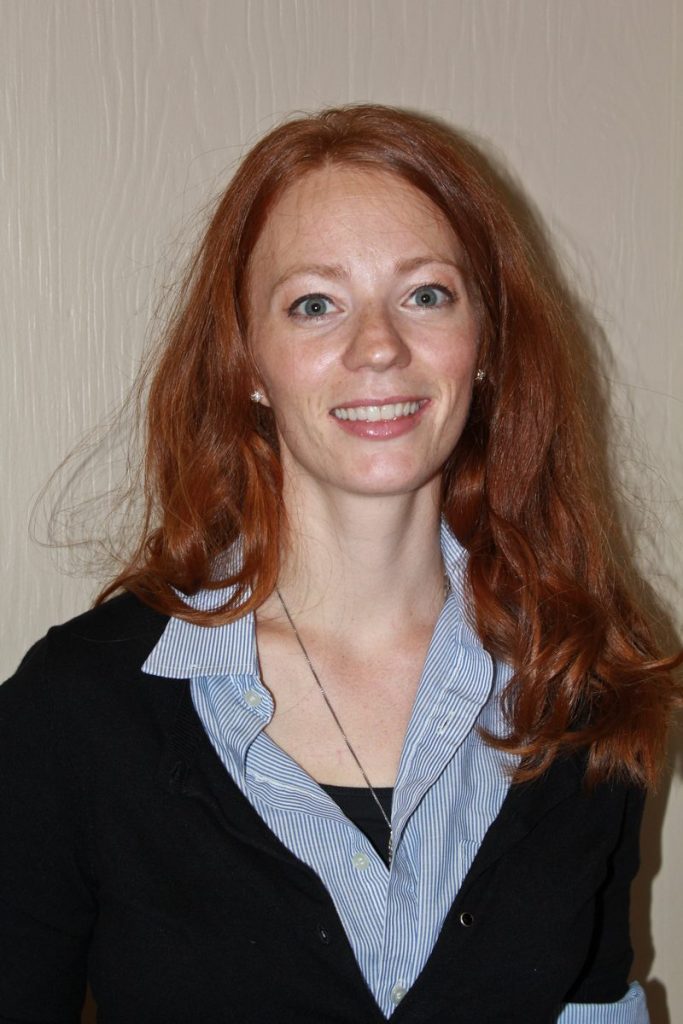
Jennifer Ditlevson Haglund
For several years, I entertained the idea of becoming a rock journalist.
It sounds ridiculous, but I had fun.
I lied about my age a lot.
As embarrassing as it is to admit, I was regular fangirl.
I spent a good amount of time at concerts, both in the audience and backstage.
Often, I took notes for reviews. Right before I abandoned this venture, I was watching a show at a dingy little venue in Cleveland. Afterward, the drummer of the band approached me and said he’d noticed me writing throughout the night. It made him nervous.
He wanted to know what I thought of the show and the band.
I couldn’t believe I’d made such an effect with my pen.
My father always told me that people might have egos a mile wide, but they’re usually paper-thin.
Be careful, he said, about how you treat them.
As a writer and a member of the media, I know I have power.
Even when I’m covering the most mundane subjects, I run into people concerned about preserving their reputations.
They’re not just afraid of having their names misspelled. When they talk to a journalist, their lives are on the line.
One of the most difficult things I encounter occurs when I have to convince people I’m not out to exploit them. Scandals write themselves, and although I’m always up for a good story, I’m in it for the facts. I don’t benefit from ruining relationships with sources.
Plus, if I were solely concerned about making money, I would’ve passed on the journalism and English degrees. The best part of my job happens when people get comfortable, and I get the chance to learn by listening to their stories.
Since my freshman year in high school when I began conducting interviews, I have had the opportunity to see very private sides of all kinds of people.
The most interesting things I learned rarely made it to print, but I’ve realized that most people worry about the same things.
In 2003, Barbara Bush told me she didn’t want to talk politics, and about George W., in particular.
As a mother, it was hard to deal with all the negative press surrounding him and the Iraq War at the time. He is her son, after all.
Pulitzer Prize-winning newspaper columnist Kathleen Parker asked me where I got my pantyhose when we were discussing her response to the Don Imus debacle in 2008. She was tired after a long flight, and her hair was pulled half back in a scrunchie.
Over a merchandise table, I found out how a hard rock bassist handled traveling and playing while pregnant.
She told me the doctor assured her that her baby would be all right with the noise because he was “like an old man under water in there.” We laughed about that one.
My stomach turned the day I had to call the father of a girl on our news staff. Her name was Giselle, and she’d fallen from her seventh-story window.
Her dad never planned to outlive his beautiful daughter, but he did and I had to find the least painful way to ask him questions he never wanted to answer.
After graduating from college, I worked extensively with the Amish communities where I lived, writing about their way of life.
It wasn’t easy to earn trust as an “English” girl, but eventually I formed some friendships before I moved to Texas for graduate school.
I’ll never forget one middle-aged man I frequently visited. We talked about everything. Once, he called me from a payphone down the road when it was raining to ask me to send him an article from our archives about grieving the loss of a pet after someone ran over his dog.
I could write a book chronicling all the stories behind stories I’ve published in the last 15 years, and it’s not because I’m anything special.
I consider myself lucky.
Journalists see life at its most beautiful and at its worst.
For us, it’s easy to turn stories into copy. But it is so much more than that.



