Penalties for lacking health insurance rise
Phil Cobb
Tax season
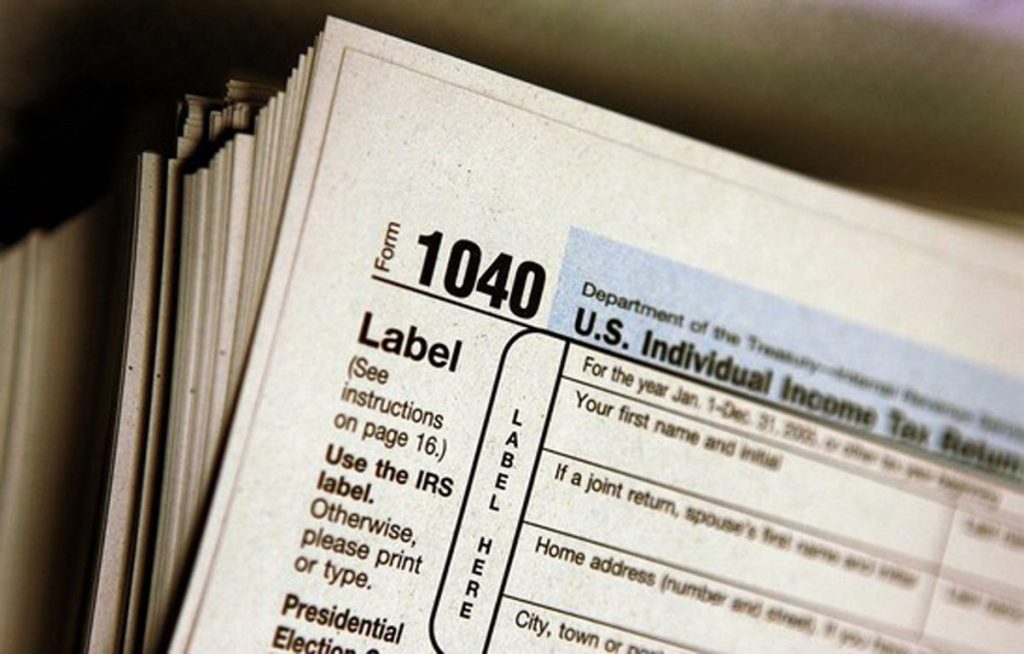
Most years, April 15 is the deadline for filing income tax returns in the United States.
This year, however, the date falls on the observance of Emancipation Day, which is a holiday celebrated in Washington D.C. to commemorate the signing of the Compensated Emancipation Act.
The holiday pushes the filing deadline to Monday, April 18. The weekend extension, however, doesn’t buy procrastinators that much more time to prepare and file income tax returns.
“When you wait till the very last minute, it’s very important that you have your information,” according to Jerry Riggs, a certified public accountant with Marsh, Espey & Riggs, PC of Maryville.
With about a month left before Tax Day, Riggs said filers who think they might owe taxes should determine the due amount as quickly as possible in order to find the money to pay on time. Even if taxpayers know they don’t have the money now, they can still file before the money is due.
“A lot of people fear the IRS,” Riggs said. “They don’t really believe that they’re just from the government and are there to help.”
Organization, Riggs said, can make a difference when it comes to maximizing returns and minimizing headaches.
“If you just get W-2s, you ought to be able to do that by yourself,” he said.
On the other hand, he said, people might think it’s simple when they have other factors to consider with records for student loan repayment, Child and Dependent Care Credit, and various other deductions.
For those with complicated tax situations, Riggs said it could be worth the cost to find a preparer. He recommended that people with farms, corporations, businesses, partnerships, and executors of estates consult with experts if they’re not familiar with all the details.
“Would you rather spend a weekend doing your tax returns or get someone who can do them in 15 or 20 minutes? A lot of it has to do with the complexity of what you have, and if you’re comfortable doing it yourself,” said Riggs.
Those who haven’t filed yet should know that taxpayers without health insurance that meets the Affordable Care Act requirements will experience heftier penalties this year.
Every uninsured adult will have to pay $325 and every uninsured dependent will cost the filer $162.50, or two percent of the household’s taxable income — whichever is greater.
The dollar amount for those punitive measures more than tripled from the 2014 tax year, and the 2016 tax year will be even more expensive for those without proper health insurance.
Punishment for not having insurance will increase to $695 per adult and $347.50 per dependent, or 2.5 percent of taxable income.
“If you’re not required to do it and there’s no incentive to do it, then you’d probably rather pay the penalty than the premium,” Riggs said. “So the penalty keeps going up every year to encourage people to sign up for health care.”
Although it might seem expensive to pay a monthly premium for individuals, Riggs said it fits the goal of ACA to have more healthy people in the pool to offset the cost of caring for people who are sick.