Counselors want students to get smart about loans
Counting the cost
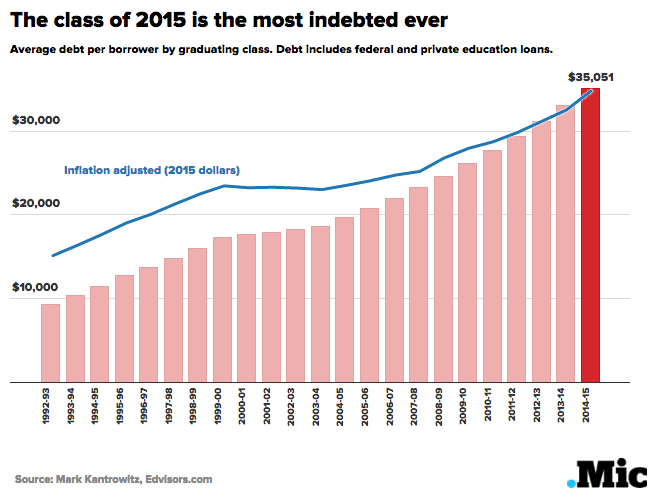
All of the presidential candidates say they have a plan for the student debt crisis. No matter who wins this November, graduating seniors bound for college this fall still need to find a way to pay for their post-secondary degrees before the inauguration.
That means parents and students are looking for last-minute scholarships, grants, work-study opportunities, and loans. The April 1 state FAFSA application deadline to qualify for the state’s Access Missouri grant program for the 2016-2017 academic year will likely draw more applicants than before if borrowing trends continue.
According to the National Center for Education Statistics, the percentage of first-time, full-time undergraduate students at 4-year institutions receiving any financial aid increased from 80 to 85 percent between academic years 2007-2008 to 2012-2013.
Becky Houtchens, who is the 11th and 12th grade counselor at Maryville High School, said she tries to get students to think about applying for scholarships and grants before explaining loans.
“We want to stress that grants are a good thing,” Houtchens said.
Students in the senior English course at MHS also spend time learning how to prepare resumes and college essays that will earn them more scholarship dollars.
Students explore career opportunities in a personal finance class that includes considering the cost of college. In this course, students must identify the salaries they would make in their chosen careers, weighing the lifestyles they want and the outlook of that job.
This exercise alerts students to the problems with overborrowing.
“I’m not sure they know what’s going on when they swipe a credit card,” Houtchens said. “They need to know the poor college student is a real thing, and it should be that way.”
Charles Mayfield, who is the director of financial assistance at Northwest Missouri State University, said he advises students to consider what they are going to make their first year after college and take out loans accordingly. For example, if an elementary school teacher in Kansas City makes about $30,000 annually, then Mayfield would use that as a ceiling for borrowing.
“That’s why it’s hard to say no student should ever borrow $100,000,” Mayfield said. “There are limited career opportunities that provide a salary to make repayment of this amount a reasonable possibility.”
Of the 74 college-bound graduates from the MHS class of 2015, 52 received some kind of scholarship. The majority of these students attended Northwest, and most who did not remained in state to attend public four-year institutions.
At Northwest, 76 percent of the student population received some form of financial aid, including grants and scholarships, for the 2015-2016 academic year. Of all undergraduates at the university, 45 percent received Federal Direct Subsidized Loans and 56 percent received need-based aid. Pell Grants, which are Federal need-based grants, were awarded to 35 percent of the undergraduates of the same class.
Houtchens meets with parents on a regular basis about how to fund their students’ degrees, and she said many of their questions have to do with the differences in types of aid.
Although he thinks parents should be involved in the conversation, Mayfield said students should take ownership of the process so they’re not surprised after the grace period ends six months after graduation.
“Our goal becomes to try to make students educated consumers,” Mayfield said.
Northwest doesn’t require its students to complete any financial aid counseling other than what is mandated by the Federal government. According to Mayfield, this isn’t being neglectful. It is to make it as easy as possible for students to get the assistance they need for earning higher education degrees.
“Student loans aren’t always a bad thing,” Mayfield said. “You can go overboard, but they help you afford school and get a better job.”
“I try to let the students know it’s their college and their responsibility,” Houtchens said.
Houtchens said she wants students to understand that they’re spending money when they take out loans and that they need to consider all types of college expenses such as rent, textbooks, various fees, and social club dues.
Students and parents can obtain some of this information on the College Navigator website.