Out in the cold: Now is the time to plan for winter safety
ALANNA WOLF-ARMSTRONG Staff Writer
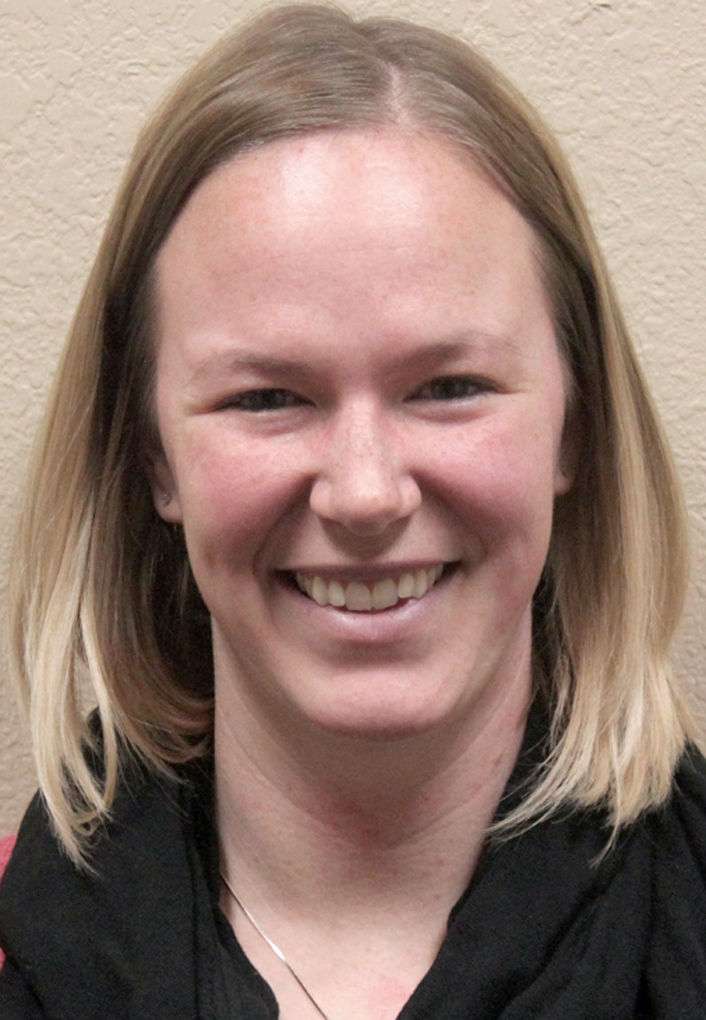
Christy Tapps
The death last week of singer Craig Strickland, lead vocalist for the country music band Backroad Anthem, made headlines.
Strickland and a friend both went missing after venturing out during a catastrophic winter storm to go duck hunting. After a search lasting several days, the bodies of both men were found. It was later announced that Strickland died of hypothermia.
According to the Missouri Department of Health and Senior Services, hypothermia results from abnormally low body temperature and is considered more dangerous than frostbite.
Healthcare experts say death is a very real possibility whenever someone’s body temperature drops below 86 degrees. Normal is considered to be 98.6.
“Hypothermia is so dangerous because anytime the body temperature drops a person is in danger of dying,” said Christy Tapps, health educator for the Nodaway County Health Center.
“The cooling of the body is life-threatening; it’s a very serious issue. Anytime a person’s body temperature drops below 95 degrees it becomes an emergency situation.
“But by being prepared and taking certain steps, it is entirely possible to avoid hypothermia and other dangerous health situations that can occur due to severe winter weather.”
Temperatures have warmed in Nodaway County following the first major winter storm of the season. But extreme cold, with lows in the single digits, is expected to return by Saturday night.
Being aware of changing conditions, especially in a variable weather region like northwest Missouri, is the key to staying safe during the winter months, said Tapps, who added that situations like the one that claimed Strickland’s life can usually be avoided by exercising a little foresight.
“Check weather forecasts and be aware of what’s going on,” Tapps said. “If there are forecasts of winter storms and heavy snow stay put if you can. Do not go out into that weather unless it is absolutely necessary.”
For those who have to work outdoors during severe weather, Tapps recommends dressing in layers of light, warm clothing. Gloves, hats, and scarves are essential as are an insulated pair of waterproof boots.
“It’s also important to be aware of the windchill factor, and to work slowly while you’re outside,” Tapps said. “Take your cell phone with you, take an emergency kit, and if at all possible take a friend with you so that if something happens you’re not alone.”
Hypothermia symptoms include shivering, which may stop as the condition continues; slow, shallow breathing; confusion and memory loss; drowsiness and slurred speech; loss of coordination; and a slow, weak pulse.
Treatment embraces moving to dry, warm shelter as quickly as possible and removal of wet clothing.
When assisting someone who may be hypothermic, begin rewarming the person with extra clothing and warm blankets. If one is available, apply an electric blanket to the torso area and hot packs or heating pads to the torso, armpits, neck, and groin.
Use your own body heat if nothing else is available.
If you have a thermometer, take the person’s temperature, and offer warm beverages, but avoid alcohol and caffeine, which speed up heat loss.
Of course the best way to treat hypothermia is to avoid it altogether, so if you’re planning to travel during inclement weather, Tapps advises preparing your vehicle as well as yourself, and letting others know where you’re going and how you plan to get there.
“That way if something happens, and you do not arrive on time, people know where to start looking,” Tapps said. “Pack an emergency kit, a bright-colored cloth, and extra blankets in your car so that you have them in the event you become stranded.
“If you do become stranded, and you can’t see shelter that is within 100 yards of your position stay in your vehicle. Tie the bright-colored cloth to your antenna so you stay visible and people passing by can see you.”
Another survival strategy, Tapps said, is to keep a window slightly open so that the car’s interior has a steady supply of fresh air. Run the vehicle’s heater only 10 minutes every hour, and make sure the tailpipe is free of obstruction, since carbon monoxide poisoning can be just as deadly as hypothermia.
Winter weather can pose dangers at home too, and Tapps recommends keeping supplies on hand in case of emergency.
Flashlights, a battery-powered radio, extra batteries, a working phone, prescription medications, first aid kit, bottled water, and canned or dried food are all things families should have on hand in the event of a power outage caused by an ice storm or other calamity.
“Water is so important to have in the event of losing power,” Tapps said. “Each person in the home will need one gallon of water each day you are homebound without power. Corded telephones are great to have too, because if your cell phone battery dies you won’t be able to charge it.”
If there is a baby in the household, Tapps said, make sure there are several days’ worth of formula or baby food on hand along with enough water to prepare it.
And after you’ve lost power, keep freezer and refrigerator doors shut as much as possible. Use perishable foods first, and dispose of all food that may not be fresh enough to eat.
Tapps also recommends installing carbon monoxide alarms on all floors and cautioned against ever using a generator or other gasoline-powered or kerosene-burning devices inside.
Perhaps one of the best defenses against hypothermia and other severe winter weather hazards is simply for people to look out for one another.
“It’s good to check on elderly neighbors or family members, and to keep a close eye on infants,” Tapps said. “Those two groups are extremely susceptible to winter weather health issues like hypothermia, especially if they are in a situation where they are not properly prepared.”
For more information about winter safety, go to emergency.cdc.gov/disasters or health.mo.gov/emergencies.