
Addressing the challenges of our local governments
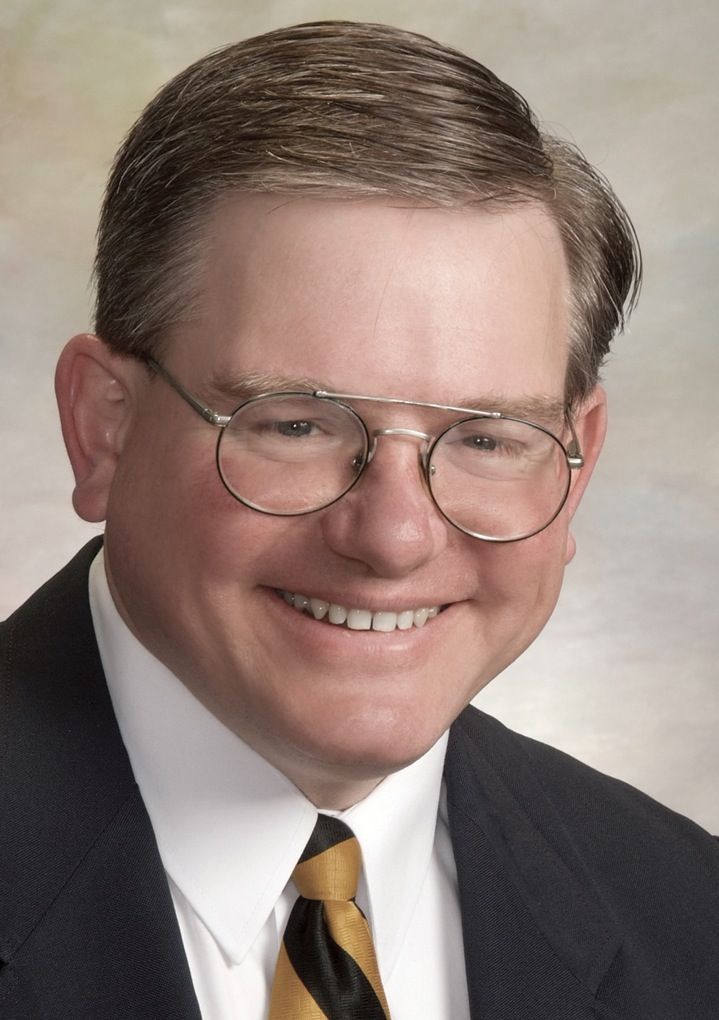
Dan Hegeman
Whether in a sparsely populated area or a densely populated metropolis, every community experiences its share of unique challenges in providing essential services.
As a longtime public servant, lifelong farmer, and someone who has chosen to live and raise a family in rural northwest Missouri, I’m passionate about finding solutions to those problems specifically affecting our small local governments and political subdivisions.
Last session, I introduced two bills that were signed into law, aimed at ensuring local governments are able to continue operating and providing residents with critical services as they undergo change.
The first of those measures was Senate Bill 245, easing the transition for counties moving from a township form of government to a county form of government, when that transition is approved by the voters.
The other measure was Senate Bill 405, which stabilized the funding of the county collectors office in counties with extremely low levels of tax collection, ensuring the collector’s office is able to continue functioning properly.
I brought these bills forward because there was a clear need as a result of the continued challenges and demographic shifts in our communities.
Looking ahead to the upcoming 2016 session, I again plan on filing legislation that seeks to address some of the challenges of declining populations and administration of certain political subdivisions or certain dedicated districts, which are primarily found in our most sparsely populated areas.
From water and sewer issues to demands on local transportation infrastructure, this type of population shift affects a wide array of services for the remaining residents.
In addition, these districts often have trouble finding enough citizens to serve on their elected boards, making it difficult for their governing bodies to function at all.
Essentially, the way these districts were organized years ago no longer fits their citizens’ needs today, but I hope to take a step in the right direction and ensure political subdivisions or districts facing those challenges are still able to function properly.
The evaluation and reformation of government is brought about by a number of factors, but often the most important and critical factor comes from a demand by the citizens of our state.
Whenever we see a systematic failure or need for change, it’s important to undertake a serious evaluation, and if necessary, take action.
As long as I’m in office, I will continue helping our small, rural communities in whatever way I can — working to find practical solutions to the issues facing my constituents and I am always open to any suggestions on how to solve the administrative challenges facing our rural communities and political subdivisions.



