
Considering my background, Maryville’s no shock for me
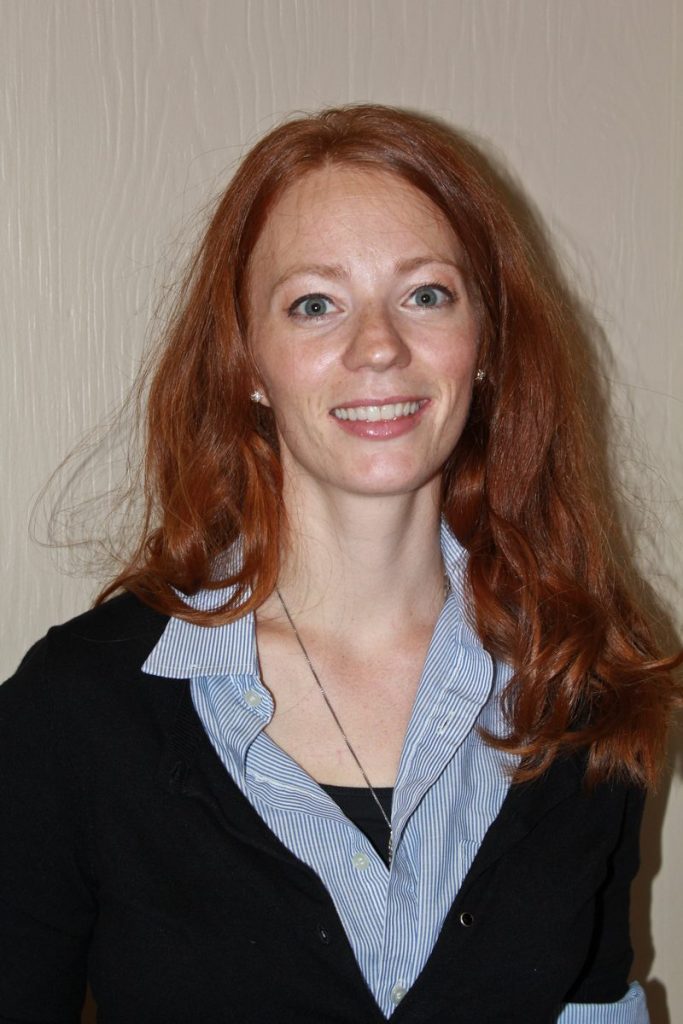
Jennifer Ditlevson Haglund
Save the apologies, Maryville
People from small towns often excuse themselves and where they live to newcomers.
They apologize for the lack of amenities, culture and job opportunities.
Even loyal, lifelong residents justify living here by saying that although the town “isn’t much,” they like it for the ease of pace and predictability.
Every time this happens to me, I find myself reviewing the conversation to identify whether I provided the need for a profusion of apologies.
Although I most recently lived outside Dallas, I come from what the Census Bureau calls a micropolitan area, but people do the same thing. Most high schoolers can’t wait to graduate to get as far away as possible, and I was among them.
Since then, I’ve watched the town change and I know a few people who have never left.
A certain amount of shame pervades conversations because citizens aren’t residents, but inmates with Stockholm Syndrome.
To most, living in a small town is not a choice, but a consequence or misfortune.
Only the severely parochial or regionalist types actually believe these little “villes” and “dales” contain anything worthwhile. Someone decided that small-town America teems with backward, small-minded people who pine for the resurrection of an imaginary bygone era.
Good friends from Dallas worried about me, texting me the first week after I moved here and asking if I were okay with living so close to gravel roads and corn fields.
They don’t understand that I grew up looking forward to a trip to the grocery store like it was an amusement park vacation.
Food Town gave us free stale cookies and we got to look at the lobsters in the tank in our little Ohio town. Until high school, I rarely had regular contact with big cities because most of my extended family lived in even smaller places.
A year ago, my grandmother informed me of the progressive nature of her Kansas village of 500: they were getting diverse with this Methodist family moving to town.
The one restaurant in town, The Chicken House, closes on Sunday and the last time I checked, the high school track still wasn’t paved.
As much as I love them, many of my friends perpetuate the notion that the country mouse must hold its tail between its legs in the face of the city rat.
This implicit attitude overlooks some problems with city life.
Cities build parks with patches of grass for “green space” where everyone crowds on the weekends. Foodies nosh at the hip, overpriced snack stands along the periphery, and parking always causes anxiety.
Among these swarms of people, anonymity may be liberating, but it’s also alienating. Chance meetings with neighbors rarely occur due to the sheer volume of stores, which may be convenient on a bad hair day or when time is tight. After awhile, though, your own personal bubble grows evermore inelastic. It becomes too easy to quit looking for opportunities to interact with anyone.
These places also breed stuff.
Stuff and things abound.
Relocating to Maryville from the DFW area this summer jarred me, reminding me how accustomed I had gotten to easy access to anything consumable. The concrete sprawl provided inexhaustible prospects for spending.
Even though I didn’t do it, the opportunity for engaging in wild extravagance waited for me in every direction. Often I’ve wondered how long the economy will support so many Targets, Krogers and retail in general before it implodes and turns into a wasteland.
Teaching in the Plano and Frisco areas, I heard students complain about having to take their driver’s tests in their daddies’ Mercedes because it didn’t have a camera for the parallel parking section of the exam.
That day, I had just driven to work happy my car wasn’t rusting (yet).
I could continue, but it would make me sound far older and more cantankerous than I am.
I just don’t think anyone should have to apologize for what a small town isn’t.
Save the repentances for when there’s something worth the disgrace.
Until then, I’m relieved to be here.



