
Legislature continues trying to balance state, federal rules
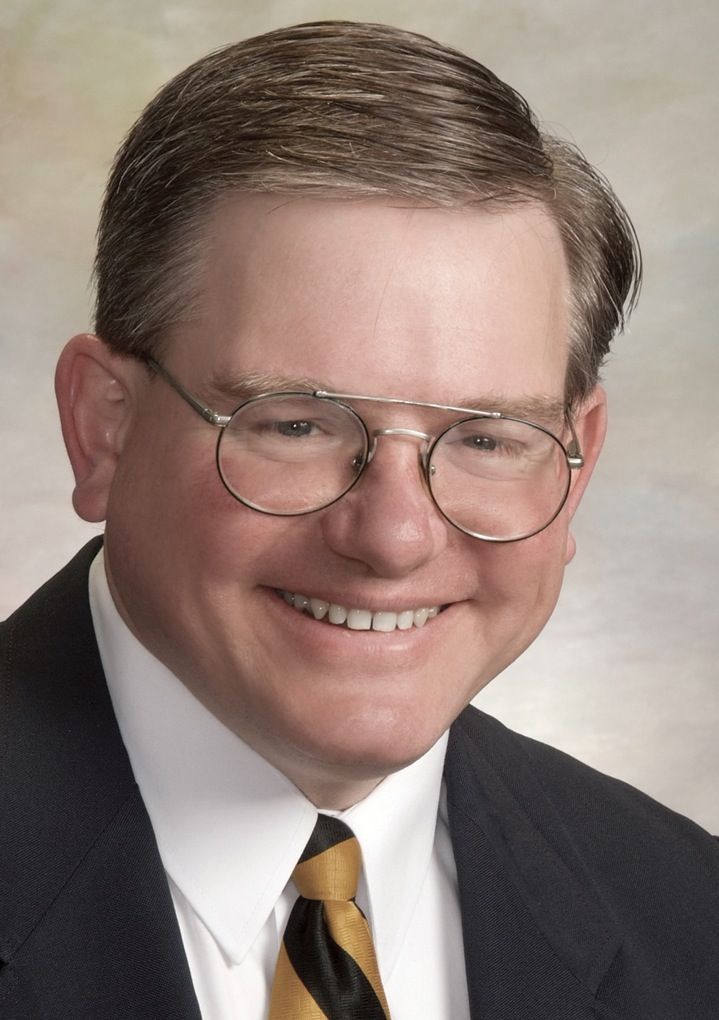
Dan Hegeman
Over the past several years, the Missouri General Assembly has enacted a number of reforms to make the state Department of Natural Resources more accountable and responsible to the communities and businesses of our state, promoting a balanced and proactive approach to preserving our natural resources through cooperation and innovation.
These reforms seek to find and maintain the balance between necessary regulation and the real world costs and economic implications of that regulation.
But, even though these efforts have been undertaken at the state level, the most difficult challenge related to maintaining that balance, is the ever continuing push of regulations from the federal Environmental Protection Agency onto the states using one size fits all standards.
The EPA is a massive federal bureaucracy that has become increasingly intrusive and out-of-touch with local needs and economic realities of our rural communities.
EPA regulations dictated from Washington, D.C. are creating massive increases in water and sewer rates in many of our small rural communities and the massive push by the EPA to federally regulate bodies of water down to drainage ditches and rain ponds represents the latest in a long list of threats to Missouri agriculture.
While the legislature has continued advancing reforms of DNR, much of the attention this past session shifted to fighting for Missouri’s communities and local interests against the EPA.
Among the measures sent to the governor this year were requirements for DNR to submit an impact report and implementation plan regarding EPA mandates and regulations to the Legislature and governor; revisions to the requirements for findings of “affordability ” for water and sewer system projects, and efforts to express Missouri’s opposition to massive expansions of EPA regulatory authority over water resources currently under state jurisdiction with the passage of House Concurrent Resolution 21.
These changes seek to recognize the importance of understanding unique local concerns and the financial impact of regulation on our communities.
These measures recognize that Missouri must have a regulatory environment that meets the needs our communities and addresses the priorities of our citizens without reckless indifference to economic reality.
It is important that we stand against excessive and unchecked regulation. Especially when those regulations are written without consideration of local realities and the implementation of those regulations has the ability to force people from their homes, close businesses, and decimate rural communities.



