
Rural health care is a concern
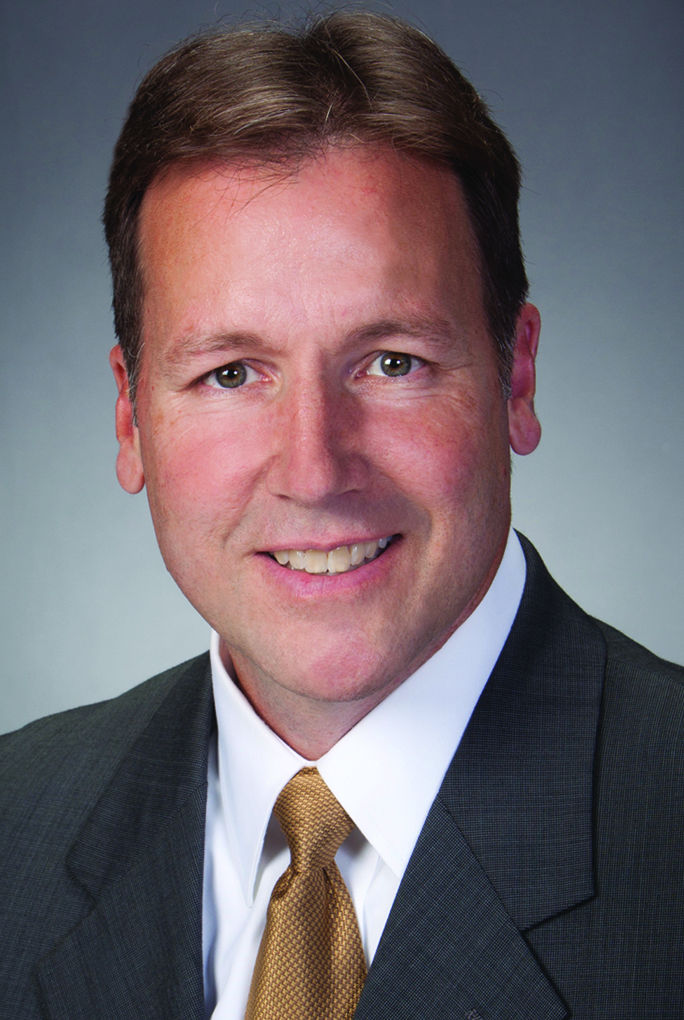
Rep. Allen Andrews
After several long days of negotiations and discussion, the House and Senate finally worked out their differences and gave final approval to the Fiscal Year 2016 state operating budget. The bills now move to the governor’s desk a full two weeks ahead of the constitutionally-mandated budget deadline.
During the budget process, the Senate made significant changes to the House version of the state spending plan, including a lump-sum budgeting approach that included 4 to 6 percent cuts to health, mental health and social services programs.
These changes drew the scrutiny of some on the House side, and even lost the backing of leadership in the Senate, as negotiations progressed.
The final version of the budget approved by both chambers moves much closer to the original House spending plan, but does take some fiscally responsible steps to rein in the growth of the state’s social welfare programs.
The final version of the budget does include the Senate’s plan to move Missouri’s Medicaid population to a system of managed care, but the transition will occur slowly and only after the plan has been reviewed.
Personally, I have great concern over Managed Care expansion due to the possible negative effects on our rural hospitals and the enticement for Managed Care companies to make business decisions based on profitability instead of quality patient care. Hopefully, members of the oversight committee will address these concerns as the potential plan becomes implemented.
The $26 billion spending plan that will take effect July 1 does include record levels of funding for elementary and secondary education.
In total, the state is now spending just under $5.8 billion on public K-12 schools, which represents more than 22.2 percent of total state spending.
More than $3.2 billion of that funding is state general revenue, which represents more than 36 percent of the $8.85 billion state dollars over which the legislature has direct spending authority.
The budget also includes significant boosts to several important education programs, and sizeable funding increases to the state’s public colleges and universities.
Some of the funding highlights contained in the FY 2016 budget include:
• An additional $84 million for the School Foundation Formula for K-12 public education;
• An increase of more than $2.4 million to the Parents as Teachers Program;
• Full funding for virtual education;
• Funding to create a state dyslexia coordinator;
• A $12 million increase for performance funding for Missouri’s public institutions of higher education;
• More than $5 million in new equity funding for Missouri’s two-year colleges;
• Funding to establish a state military advocate;
• A 3 percent funding increase to providers who care for elderly and developmentally disabled Missourians
• A 3 percent provider rate increase for autism projects; and
• Additional funding for MoHealthnet adult dental benefits.



