Northeast Nodaway looking to trim length of senior trips
FORUM FILE PHOTO
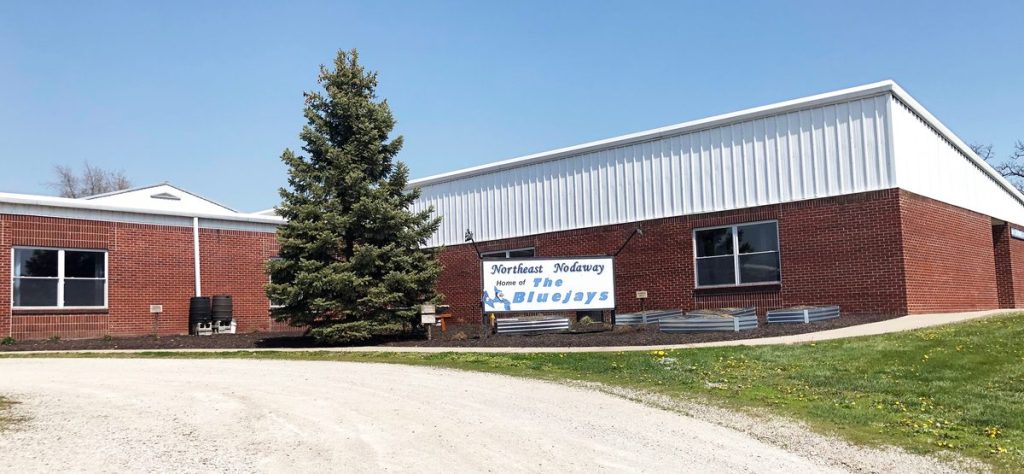
Northeast Nodaway school building (copy)
RAVENWOOD, Mo. — Northeast Nodaway plans to overhaul its senior trip blueprint, including by reducing the length of the trips.
At the request of the school board, Principal Heidi Beatty presented a draft of a new senior trip policy during the board’s regular meeting on June 30 that would reduce the length of the trip from five days and four nights by one day and one night per year over the next two years. Seniors in 2025-2026 would have a four-day, three-night trip and seniors in 2026-2027 would have a three-day, two-night trip.
Board member Jeff Redden said the board was looking to change the way the senior trip was structured in order to lower the cost of the trip and make it easier to get enough chaperones.
The trip is partially funded by student dues and fines accrued beginning when a class enters seventh grade. Beatty said that if a class pays all its dues as required, students usually have around $500 built up to spend on the senior trip.
In her report to the board, Beatty estimated a typical trip to Branson — a popular destination for senior trips in the past — would cost about $1,000 per student. She called that figure a “very rough” estimate, but enough to show that the district was left to pick up a significant portion of the tab as costs continue to increase.
Two other major points of friction, Beatty said, were unavoidable conflicts with athletic events during a five-day trip and the difficulty in getting substitutes for nearly a full week of school — especially the same substitute across all the days a teacher would be chaperoning the trip. Shortening the trip would help alleviate those issues as well.
“I think if it were to go by the wayside altogether, there would be a lot of upset people, and I definitely do not want that,” Beatty said of the senior trip. “But I feel like this would help with some of the challenges that we have come upon.”
Additionally, the policy would limit trips to a radius of about 300 miles, which is approximately the distance from Ravenwood to Branson. Beatty said it is standard practice for other districts across the region to limit the distance for senior trips in their policy handbooks, which Northeast Nodaway has not previously done. The school board still must approve each trip proposal from a senior class, which first goes through the principal.
The proposed new policy would also lower student dues and standardize fines paid for not working assigned events.
Under the new policy, seventh and eighth graders would pay $15 per semester into their class fund, down from $25; ninth and 10th graders would pay $30, down from $40; 11th graders would pay $40, down from $50; and 12th graders’ dues would remain at $50 for the upcoming school year, then go down to $40 in 2026-2027.
Fines would be standardized at $30 per event, as opposed to the current “up to $50” specified in the student handbook, which produced too much ambiguity and variation, Beatty said.
Board members generally agreed to the language, but the proposal presented last week was only a draft and was not voted on. The board plans to vote on all handbook changes at the next board meeting.
Other Northeast Nodaway notes
- Beatty said the district is also considering changing the cellphone policy next year to require students to turn off and put away their devices when they enter the building, not just when the instructional day begins.
- Superintendent Brenda Dougan said meal prices next year will go up about 10 cents across the board to meet recommendations by new food service provider, Opaa!. Dougan said the company projects the district will be $176 in the black at those prices. Usually, Dougan said, the district had been between $20,000 and $30,000 in the red each year on meals. “So hopefully their numbers will come in where they say they will,” she said.
- Another policy change, this one in the faculty handbook, would change how “blackout days” are handled. Beatty said that blackout days are days that are particularly hard to find substitutes for and days when students benefit even more than usual from having their regular instructor in the classroom with them. Examples included the first week of school, the day after Christmas and “anytime in May.” When teachers need to miss those days, the current policy docks the teacher pay for those days. The proposed policy would instead allow teachers to use two personal days for one blackout day.