Recognizing caregivers on National Caregivers Day
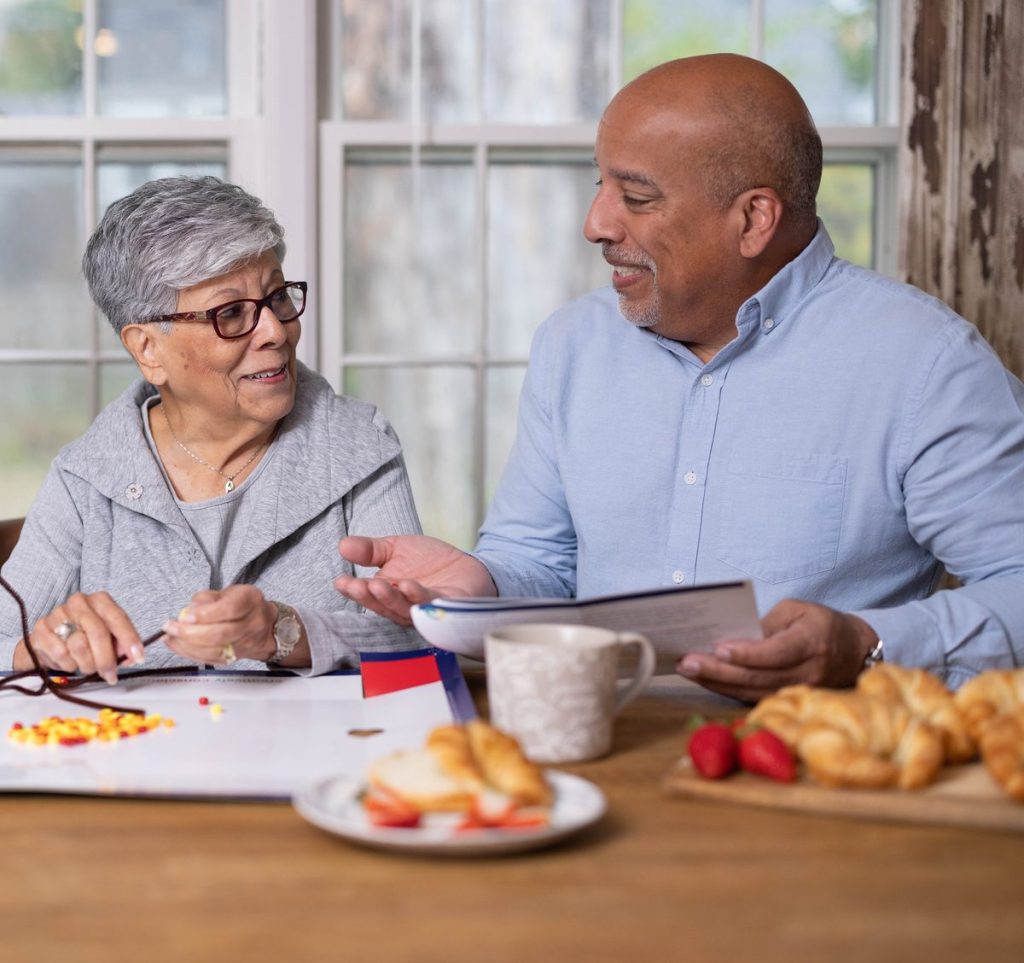
SUBMITTED BY CONNECTIVITIES
National Caregivers Day is Friday, Feb. 17. According to a news release, the day honors individuals who selflessly provide personal care and physical and emotional support to those who need it most.
Being a caregiver to someone with dementia or Alzheimer’s is often a full-time job and communicating with a loved one can be one of the most challenging parts of caregiving.
National Caregivers Day is Friday, Feb. 17. According to a news release, the day honors individuals who selflessly provide personal care and physical and emotional support to those who need it most.
Mandy Shoemaker of Connectivities, a monthly memory care subscription toolbox, shares the following tips on how to form connections and be the best caregiver possible:
- Be patient and understanding: Always remember that your person isn’t giving you a hard time, they are having a hard time. It is important to be patient and understand that your loved one may not be able to do things the way they used to. Your loved one is changing, and you are both experiencing grief and loss. Expect that things will usually not go as planned and be prepared to go with the flow.
- Communication is key: One of the most important things you can do as a dementia or Alzheimer’s caregiver is to communicate effectively with your loved one. Make sure to speak slowly and clearly, using short, simple sentences. Your loved one will need time to process anything you are telling them or asking them to do.
- Approach is everything. Your body language and tone may convey as much as the actual words you are saying. Try to maintain eye contact and use facial expressions and gestures to help communicate your message. If your loved one is having difficulty communicating, try to find alternate ways to communicate, such as writing down your conversations, using pictures, or even sign language. Breaks are always good too. If they aren’t getting it simply return to the conversation in a few minutes.
- Plan engaging activities: Leisure activities such as games or sensory based projects can calm and engage both the care partner and the person living with dementia. Someone might not remember the activity, but they will remember the feeling they got while doing it. Music can also be a powerful tool. Playing a simple song, a lyric or a melody can help tremendously with engagement and provide a fun atmosphere. Don’t be afraid to be silly and show off your dance moves.
Create a caregiver support system: Sometimes, the hardest thing is asking for help. Delegate tasks among family members and friends so that no one person feels overwhelmed. Make sure to schedule regular breaks throughout the day to take a break from caregiving duties. Needing a break doesn’t make you a bad caregiver. You can’t pour from an empty vessel, so do what you need to keep your cup at least a little full.
As co-founder of Prairie Elder Care and Connectivities, Shoemaker is focused on ensuring a better quality of life for people living with dementia.