Mosaic brings mental health providers to northwest Missouri
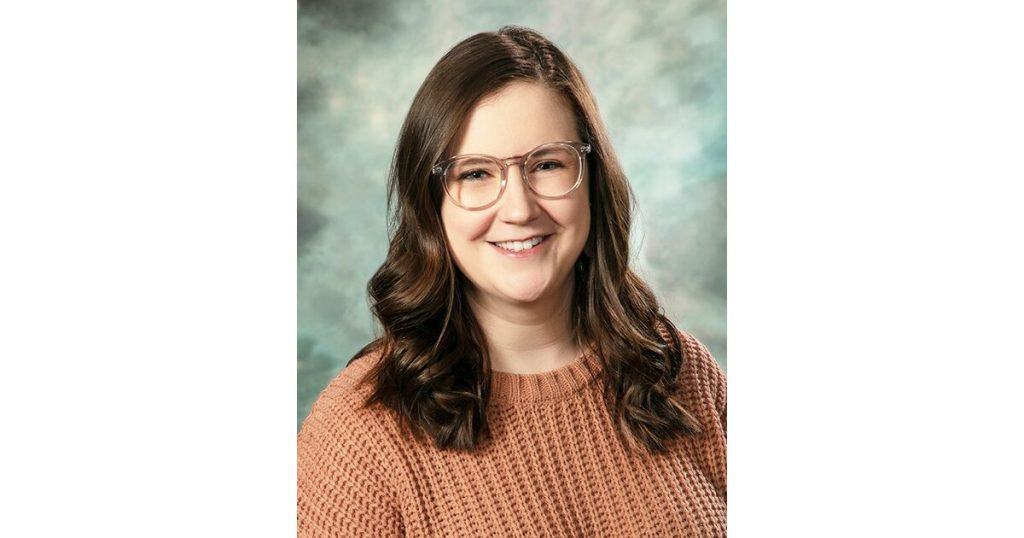
Madison Emery Licensed Clinical Social Worker
MARYVILLE, Mo. — Nearing its third annual gala focused on mental health needs in the region, Mosaic Medical Center – Maryville and the St. Francis Foundation are drawing attention to the advances made with the funds raised during the events and more.
According to Megan Jennings, development director of the St. Francis Foundation, the hospital has used around $289,000 from the 2021 and 2022 galas to help procure mental health practitioners and telehealth options for regional school districts. This year’s gala, scheduled for Feb. 18, is to be hosted by Clarence and Chelli Green, and it, too, will focus on the vital importance of mental health needs in the region.
Jennings said the hospital recently went over a Community Health Needs Assessment and mental health and obesity still remain the hospital’s top goals.
“As an organization we have to continue to make this our highest priority,” she said. “We look at it here in Maryville as a real regional approach.”
She said Judge Robert Rice’s efforts toward creating the Northwest Missouri Cooperative Mental Health Board helped them to see it that way.
Jennings said she believes it’s very easy “to get siloed in” on what mental health needs look like for various communities. For the hospital, she said Mosaic focused on the number of pediatric patients who were coming to the emergency room and having to wait for a pediatric bed to open in an inpatient facility, with the closest options being in Kansas City or Nevada, Missouri.
While waiting, she said they were sometimes boarding a child in the emergency room, which not only takes up a bed, but also requires a staff member to stay with them because they are underage and typically in crisis.
“It backlogs our ER for 48 hours. That’s not uncommon,” she said. “To have a kid in crisis have to sit in the ER for 48 hours, that’s not great. … (Those were) our siloed problems.”
Jennings said part of the reason the foundation has focused on mental health for three galas is because it’s a “monster problem,” not unlike solving world hunger.
“It’s not necessarily a problem that money can fix,” she said. “You can’t snap your fingers and fix it. … It has been a joint effort of community and a greater, broader understanding of community to say it’s not my problem. It’s not your problem. It’s everybody’s problem. And when we come together, we’ve really been able to make some things happen in that way.”
Hope Lives Here
For its gala centered around mental health, 2021’s “Hope Lives Here,” Jennings said the foundation focused on raising broad awareness of the real needs in the region as a first step.
After raising about $121,000, the hospital created a Mental Health Implementation Committee to decide how best to use the funds. The committee was made up of representatives from medicine, school districts, the university and advocates from the community who had experienced crises in their own families.
Jennings said the group outlined four distinct areas that needed attention: access to care, access to care in crisis, education and advocacy.
“Immediately we knew we needed more access to care,” Jennings said, and that was the board’s first focus.
Through the money raised at the gala, the foundation worked with the hospital to create a “Grow Your Own” program that used the gala funds to pay the salary of someone interested in becoming a licensed clinical social worker while they worked the 3,000 hours required at Mosaic, providing care to patients under the supervision of one of the hospital’s existing two LCSWs.
With only two licensed social workers, their wait times were 8 to 12 weeks out or longer, Jennings said.
Madison Emery was the first to be brought into the program. Now having passed her boards, she will be certified this month.
Emery also brought with her some new, fresh therapy practices and ideas. She is getting certified in postpartum depression, which Jennings said is a real need. She also brought new play therapy techniques, helping parents work with their children to help with behavior challenges.
“She brought a lot of great ideas, so we wanted to help fund those efforts,” Jennings said.
Another practitioner brought to the hospital through funds provided by the gala was Dr. Richard Wadsworth, a psychiatrist telehealth provider who sees children as young as 8 years old.
Jennings said the telehealth option has gone over very well, and Wadsworth “is seeing a large number of patients completely across the region already in just a few months.”
Other expansions of services have included the hiring of another LCSW, Nathan Noakes, and pediatric mental health nurse practitioner Kristine Kramer.
“So we’ve been able to add four new providers to open up access to care,” Jennings said.
Together We Rise
The second mental health-focused gala theme was “Together We Rise,” and from it the hospital had around $168,000 to put toward a different aspect of mental health needs in the region.
The committee began to focus on education and utilized a program called Character Strong, a complete mental health and well-being curriculum created for teachers.
“It allows them to begin teaching social, emotional learning, coping skills, how to handle stress in a way that the kids can learn and understand from,” Jennings said.
Gala funds along with a $2.2 million grant from the University of Missouri – Kansas City for rural health partnerships, helped pay for teachers and counselors in the region to attend training and also for Character Strong programming for regional school districts.
“For everybody (school district) that wants it in the five-county area, we are paying for that and the training that goes along with that, which is expensive,” Jennings said.
Those five counties include: Nodaway, Holt, Atchison, Gentry and Worth, since they align with the 4th Circuit Court Judge Rice’s jurisdiction, and are considered the hospital’s primary service area, Jennings said.
Last September, Mosaic held a regional training and brought the founder of the program to speak and introduce the program. Jennings said 65 educators from 24 school districts took part in that training, for which a large portion of their fee was paid with $10,000 in gala funds. She said somewhere between nine and 11 school districts in the region have instituted the program in their curriculums.
Here to Heal
In the next month or two, Jennings said gala funds, American Rescue Plan Act funds from the Nodaway County Commission and some of those UMKC grant funds will be used to install telehealth counseling equipment in all school districts.
She said when a child has a therapy appointment, it can not only take them away from school, but sometimes a parent away from work for half or a whole day depending on travel needs.
The Polycom Telehealth Stations include a large monitor and camera system and come in around $3,500.
The hospital is also planning to provide setup and training for district staff to be able to run them. Mosaic nurses and scheduling staff will then work to set up those appointments. She thinks they will be able to manage that with current staff, but they have considered the need for more staff in that area.
She said there are 635 children between age 5 and 18 in the five-county region seeing one of Mosaic’s social workers or psychiatric providers. With telehealth, Jennings said more patients can be seen in a day, and with kids being so accustomed to screens, she believes it will be quite useful. Being in an environment they’re used to should also help them feel at ease during their appointments.
“There’s just been numerous times that because of these meetings, because of the collaboration, we feel like there’s kids lives that have been saved,” Jennings said.
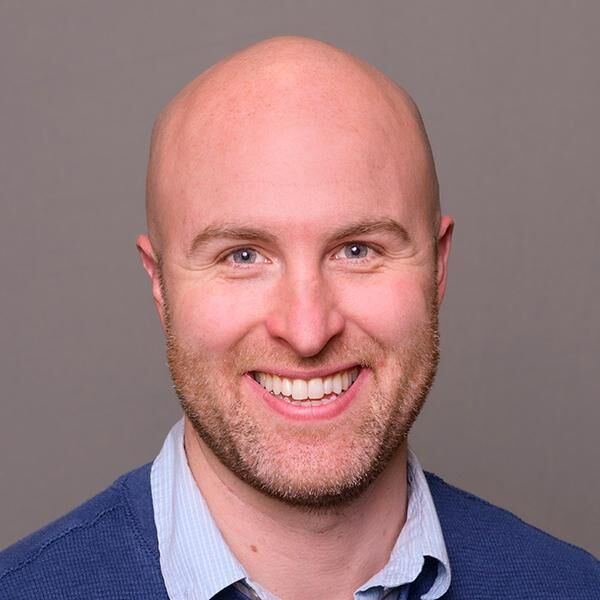
Dr. Richard Wadsworth Psychiatrist
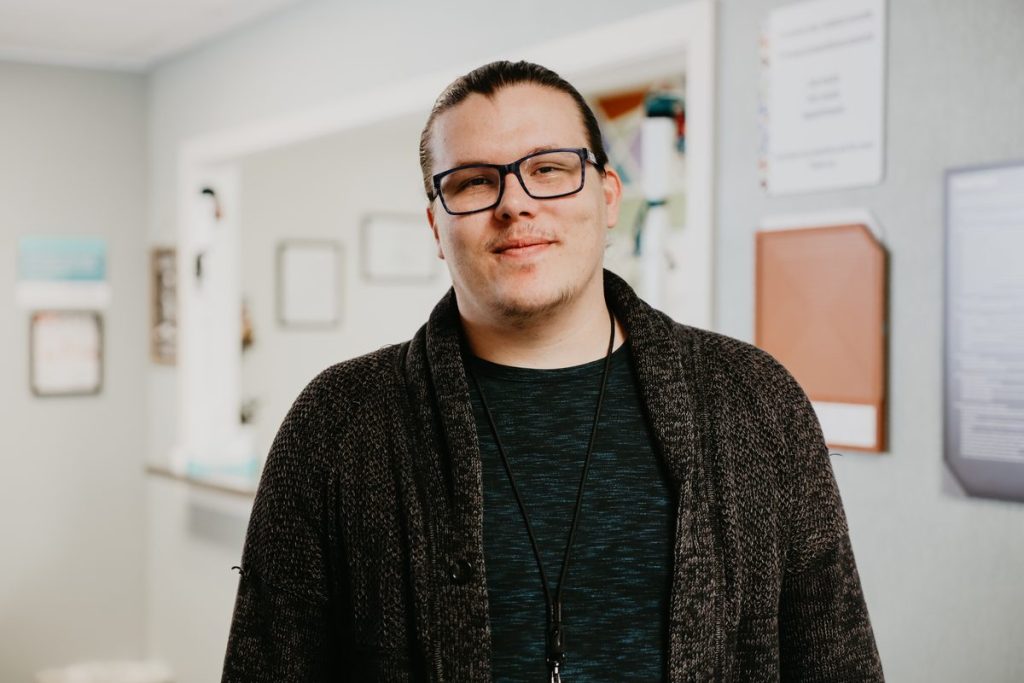
Nathan Noakes Licensed Clinical Social Worker
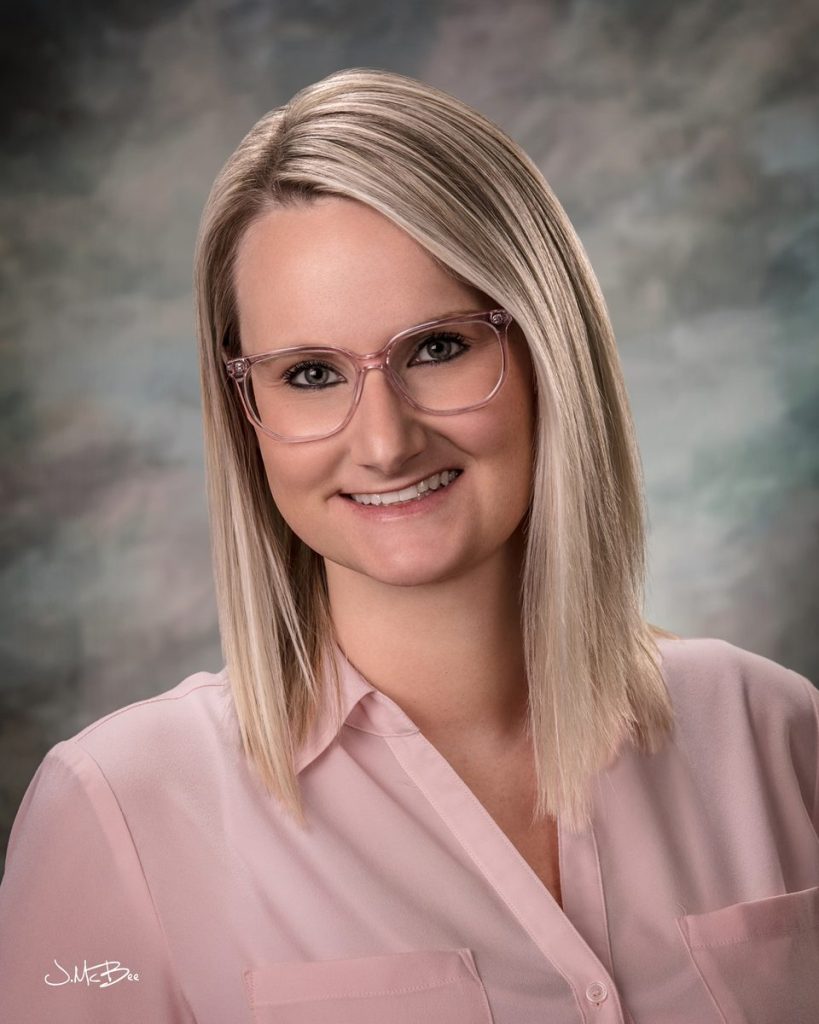
Kristine Kramer Pediatric Mental Health Nurse Practitioner
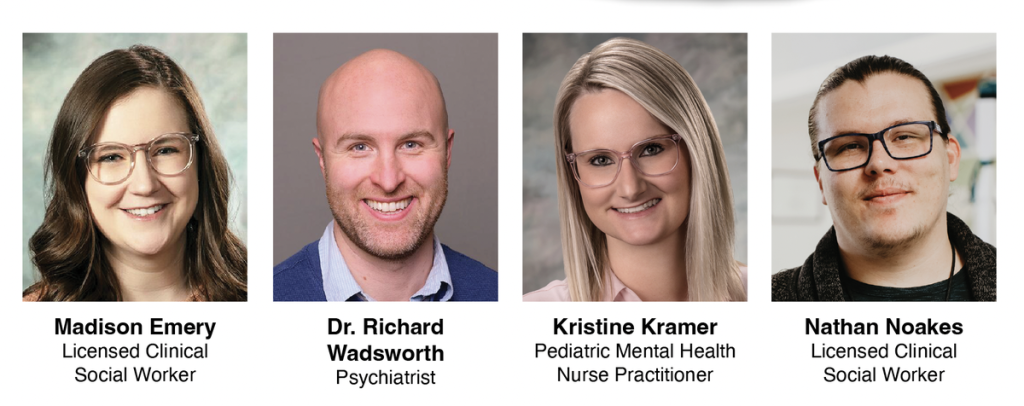
Mosaic providers.png