
Pearls: Live life with a little thrift
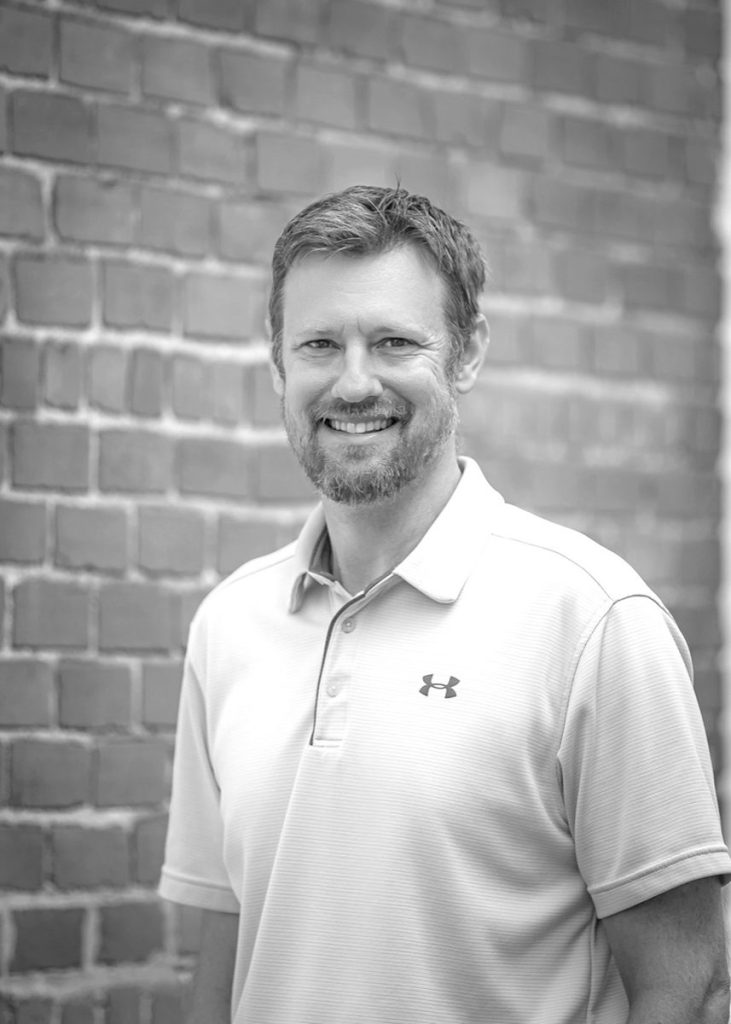
EDITORIAL MUG: Matt Pearl
As a child, I observed a habit that all of my grandparents seemed to possess: it was the practice of saving things, making do with what they had and generally just practicing thrift.
There is little to deconstruct when I think back on their resolve to save things and use things. They all remembered the Great Depression. They remembered when poor did not mean you had less then everyone around you: poor was when, regardless of anyone else’s substance around you, meeting the basic needs of life was a 24-hour-a-day struggle.
And, for what it’s worth, their neighbors were all in the same economic condition.
I was blessed to be close with all four of my grandparents, only one of whom is now living, though many of their lessons (sadly) have been lost on me. But the notion of thrift has intrigued me: if folks without money can use thrift to survive, what about people who are not struggling so greatly as their Depression-era forbears?
Where was the thrift in modern life? Where could I practice it? Where are thrifty opportunities hiding?
Lest this column become an exploration into the mind of a modern-day cheapskate, I’ll begin by assuring you that I have not begun to use every life hack I see online, or to smelt my own metal, or to mill all of my own flour.
No, my fascination has moved more into the realm of finding value that is hiding in plain sight. I began by seeking the best use of my own time, and what I have found has been interesting, to say the least.
Spend a week sometime really nitpicking at yourself; find the spaces where you waste a few moments here or lose efficiency there. When I did, it was pretty sobering. I try to be a busy guy, and teaching, publishing and family have been the perfect means to keep me that way. But I was still wasting moments.
The worst: if I thought a job would take an hour to complete, I wouldn’t start it when I only had 20 minutes to work on it. Why start something I can’t finish right away? Was my thinking. But I am learning that 20 minutes completed on a 60-minute job is valuable, and I never regret later getting things done (or at least started) now.
After applying these types of principles to my personal life, I extended it to my teaching. Where was the thrift? Where was I getting the most bang for my buck? It turned out that this type of thinking led me to new reflections on teaching.
First off, I have learned that I was placing too much value on the time students were spending on each academic concept. The thrift (or value, as I have now come to identify it) in education comes in students’ knowing the most information about the most concepts in the least amount of time. When some new guru spouts out his or her doctrine of such-and-such hours of homework per night as being the answer, I have my response now: you’re using time to measure quantity of knowledge. That’s akin to trying to measure the area of a football field using an analog clock.
I have worked to prepare kids for test-taking – not because I just love tests, but because standardized testing is just part of students’ lives – by applying the ideas of using thrift to weed out inefficiencies in their decision processes. It has been paying some measurable dividends.
And that goes for all of us; at our jobs, in our homes, everywhere. We need to take a lesson from the WWII generation – their members are departing from this world rapidly, and it shows – and live with a little thrift. Perhaps we have the economic means to live better that they did (and that’s good!), but getting our priorities straight will do nothing but improve the quality of our lives.
Matt Pearl owns and operates newspapers in King City, Albany and Grant City.



